

 English
 русский
 日本語
日本語 عربى
عربى Español
By pressing the "Send" button, you confirm that you give the company your consent for processing your personal data
.jpg?imageView2/2/w/500/h/500/format/webp/q/100 "LFGB")
A water dispenser faucet may be pressed dozens of times during daily use. But how often do buyers actually evaluate the button mechanism before approving a sample? For water dispenser manufacturers, the pressing mechanism affects the user's interaction with the appliance. A practical sample evaluation should cover: -- Button travel — Is the pressin...
Oct 14,2026
A compact water dispenser needs more than a compact body.For water dispenser manufacturers, faucet placement can affect the entire front-panel design. A built-in water dispenser faucet offers an option for equipment where a clean appearance and integrated installation are important. Before selecting a faucet, OEM buyers should consider:-- Available...
Oct 13,2026
What Is a Water Flow Limiter? A water flow limiter is a small inline component that keeps the flow through a pipe, hose, or fitting at or below a pre-set rate even when the inlet pressure changes. Unlike a shut-off valve, it never fully closes the line; unlike a pressure-reducing valve, it does not manage pressure as its main job. It simply thrott...
Oct 12,2026
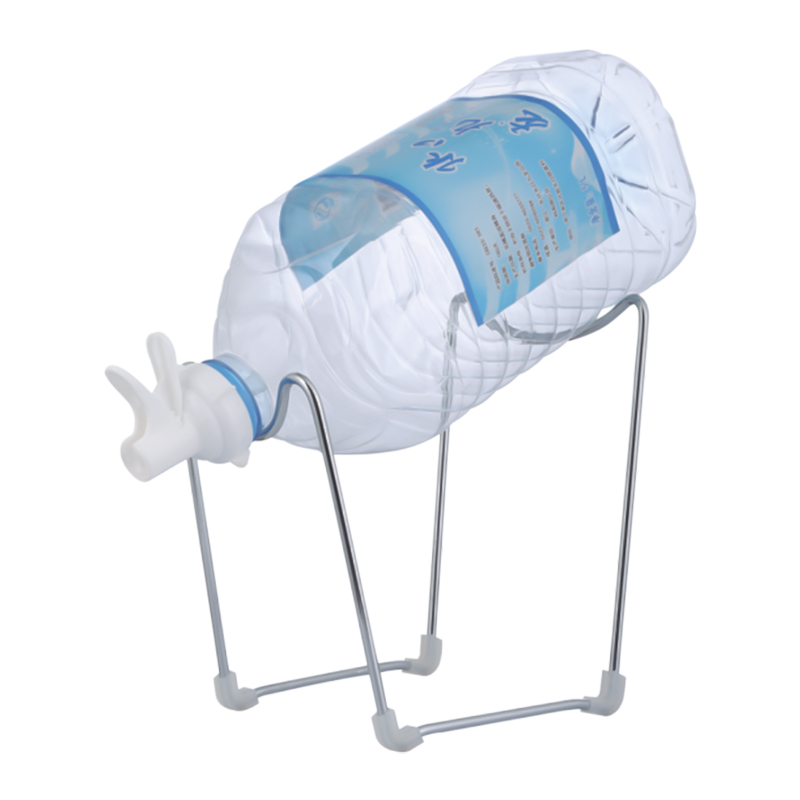
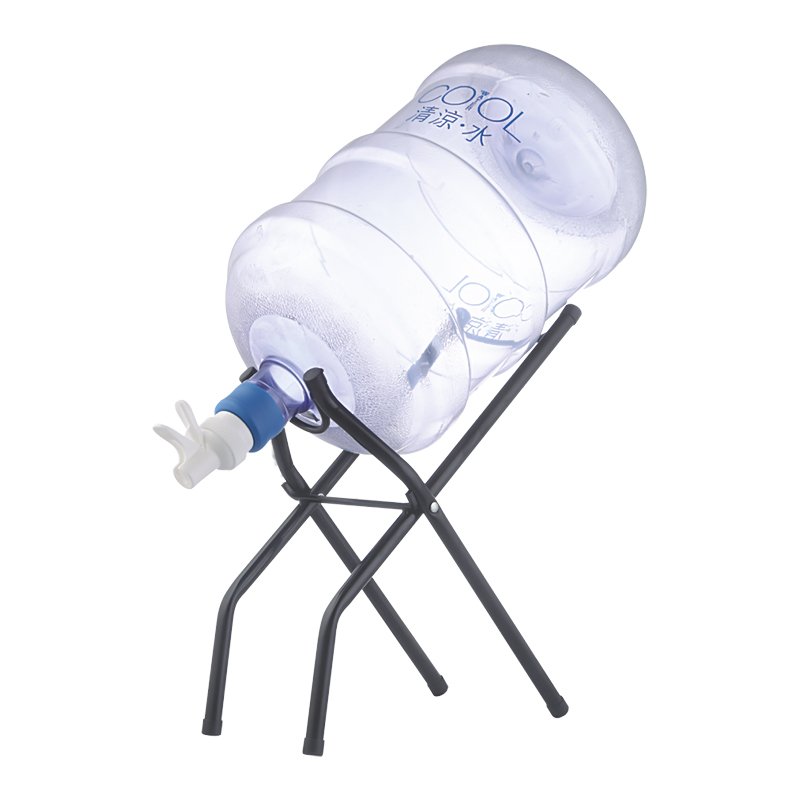
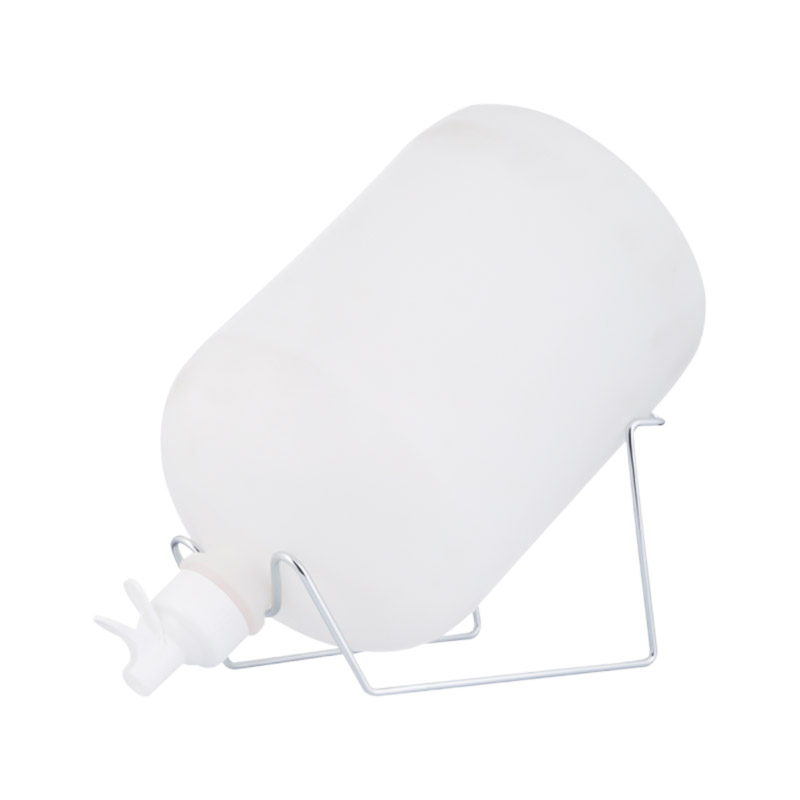
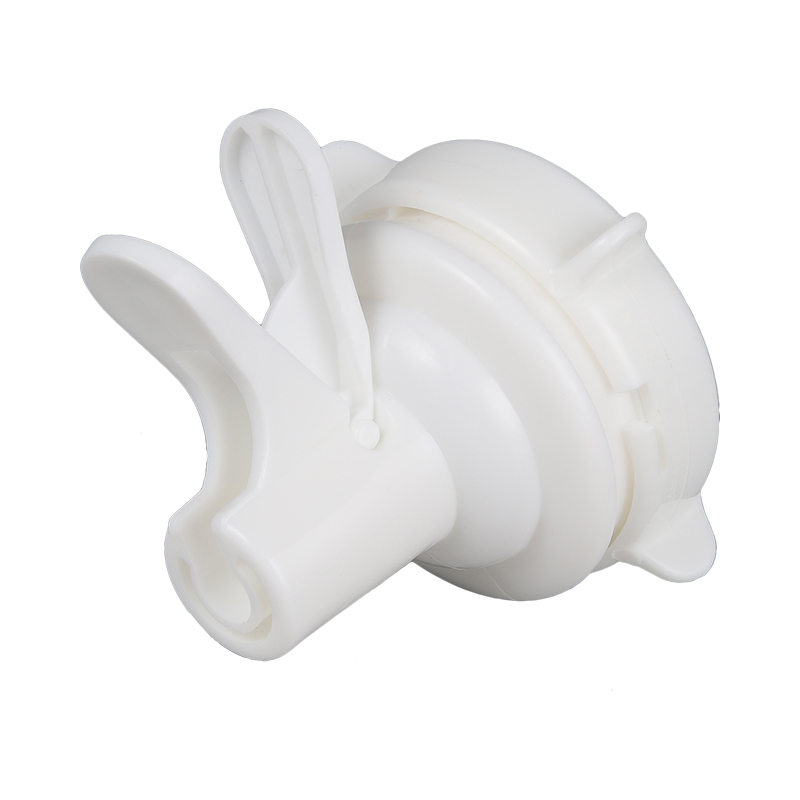
For bottled water businesses, a small component can make a big difference in the user experience. As a professional bottled water tap manufacturer, Boda provides high-quality plastic taps designed for water containers, juice dispensers, cold drink fountains, and beverage applications. Our water taps are made from high-quality PP material, offering:...
Oct 09,2026
In today's fluid control equipment landscape, faucet for bottles are a key component widely used in drinking water systems, beverage dispensing, and industrial processes.
What is the basic definition and function of a faucet for bottle?
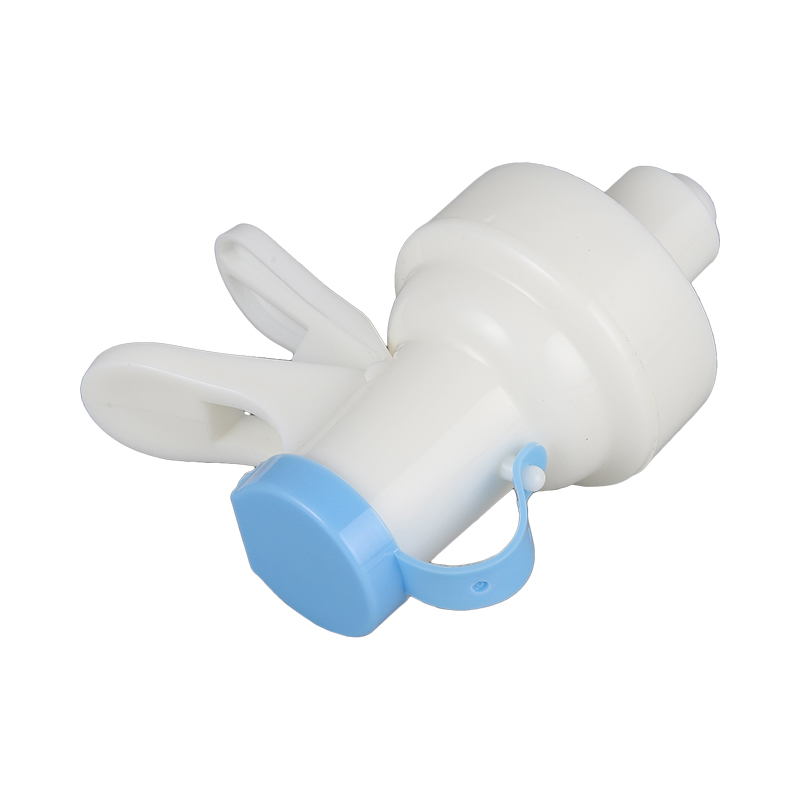
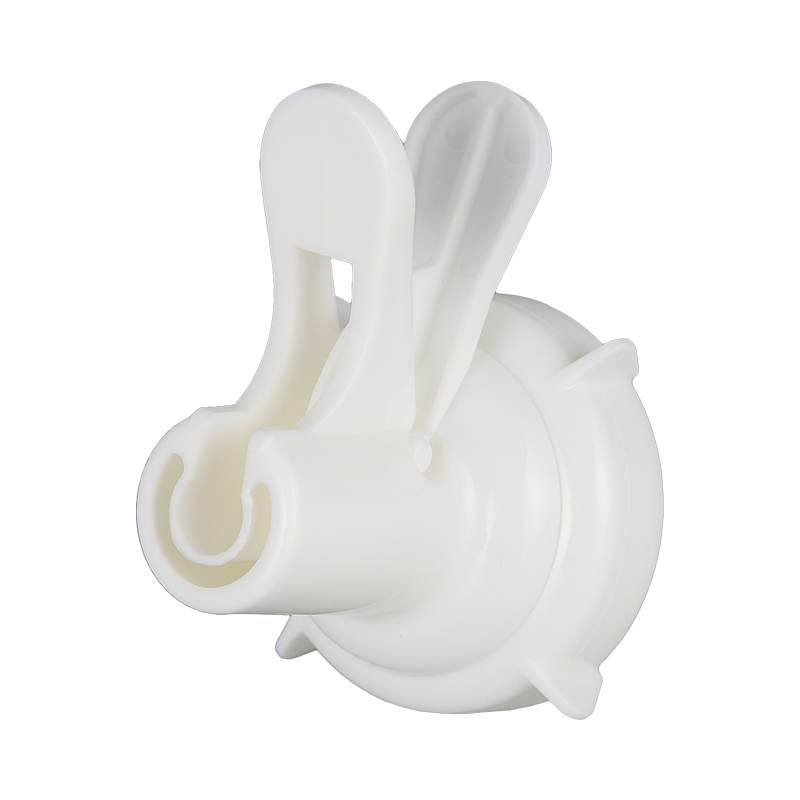
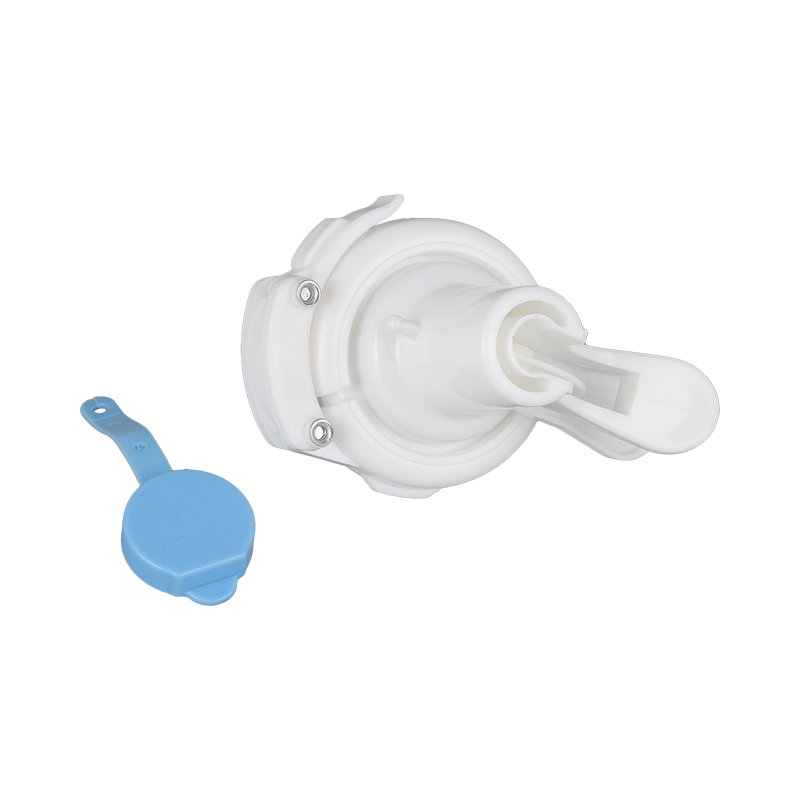
A faucet for bottle is essentially a valve device designed specifically for bottled liquids. Its primary function is to precisely control and distribute fluid output. These devices are typically installed at the end of a container or pipe, enabling user-operated adjustments to start and stop the flow of liquid. Core functions include preventing leaks, ensuring hygienic safety, and optimizing user experience, making them particularly indispensable in the drinking water and beverage industries. Yuyao Boda Electrical Appliances Co.,Ltd., with its strong R&D capabilities, can provide customized production line development services tailored to specific customer needs, from initial concept to final product, ensuring each faucet for bottle design is precisely tailored to the application.
What are the operating principles and technical categories of faucets for bottle?
This type of faucet relies on a mechanical or electronic actuation mechanism. The internal valve system is triggered by levers, buttons, or sensors to control the flow of fluid. Common technology types include manual knob, automatic sensor, and composite designs with integrated filtration units, each suitable for different environments, such as home kitchens, office water dispensers, or commercial beverage machines. Technological evolution emphasizes durability, low maintenance, and environmental performance. Yuyao Boda Electrical Appliances Co.,Ltd.'s R&D team has extensive experience in this field. By analyzing customer-provided drawings or samples, they rapidly iterate and develop efficient production lines, thereby enhancing product reliability and innovation.
What are the material selection and manufacturing processes for faucet for bottles?
Material selection is critical to ensuring equipment performance and longevity. Common options include food-grade stainless steel, engineering plastics, and ceramic components. These materials must be corrosion-resistant, heat-resistant, and meet hygienic standards. Manufacturing processes involve precision injection molding, CNC machining, and surface treatment to ensure sealing and fluid dynamic efficiency. Yuyao Boda Electrical Appliances Co.,Ltd. focuses on material compatibility and process optimization in production line development. Through customized solutions, we help customers achieve a smooth transition from prototype to mass production, reduce production costs, and improve product consistency.
What are the application scenarios and market trends for faucet for bottles?
This type of equipment is widely used in bottled water dispensers, beverage filling lines, and laboratory fluid systems. Its core value lies in improving operational convenience and resource utilization. Current market trends favor intelligent integration, such as adding temperature control, flow monitoring, and energy-saving features to meet sustainable development needs. Yuyao Boda Electrical Appliances Co.,Ltd. closely monitors industry trends during its R&D process, leveraging customer feedback and sample data to develop adaptable production lines, enabling the company to quickly respond to emerging applications.
What are the maintenance and common problem-solving requirements for faucet for bottles?
Maintenance key points include regularly cleaning valve components, inspecting seal wear, and preventing blockage to ensure long-term, trouble-free operation. Common problems such as dripping, unstable flow, or delayed response are often caused by improper installation or aging components and require professional diagnosis and component replacement. Yuyao Boda Electrical Appliances Co.,Ltd.'s R&D services extend beyond product development to production line optimization, helping customers design easy-to-maintain faucet for bottles solutions to reduce overall operational risk.
What are Yuyao Boda Electrical Appliances Co.,Ltd.'s unique advantages in the faucet for bottle market?
As an industry leader, the company leverages its robust R&D team to transform customer-provided drawings or samples into efficient production lines, focusing on technological innovation and quality control. This capability enables a more flexible and efficient faucet-for-bottle development process, ensuring the optimal balance of performance, safety, and cost. The company emphasizes collaboration, providing comprehensive support from proof of concept to mass production, promoting the widespread adoption of faucet-for-bottle technology.

