
 English
 русский
 日本語
日本語 عربى
عربى Español
Content
- 1 What Factors Determine How Long a Water Dispenser Lasts
- 2 Average Lifespan by Type of Water Dispenser
- 3 The Role of the Water Dispenser Faucet in Overall Unit Longevity
- 4 Signs Your Water Dispenser Is Nearing the End of Its Life
- 5 How to Maximize the Lifespan of Your Water Dispenser
- 6 When to Repair vs. Replace Your Water Dispenser
- 7 Choosing a New Water Dispenser Built to Last
- 8 Summary: Key Numbers to Know About Water Dispenser Lifespan
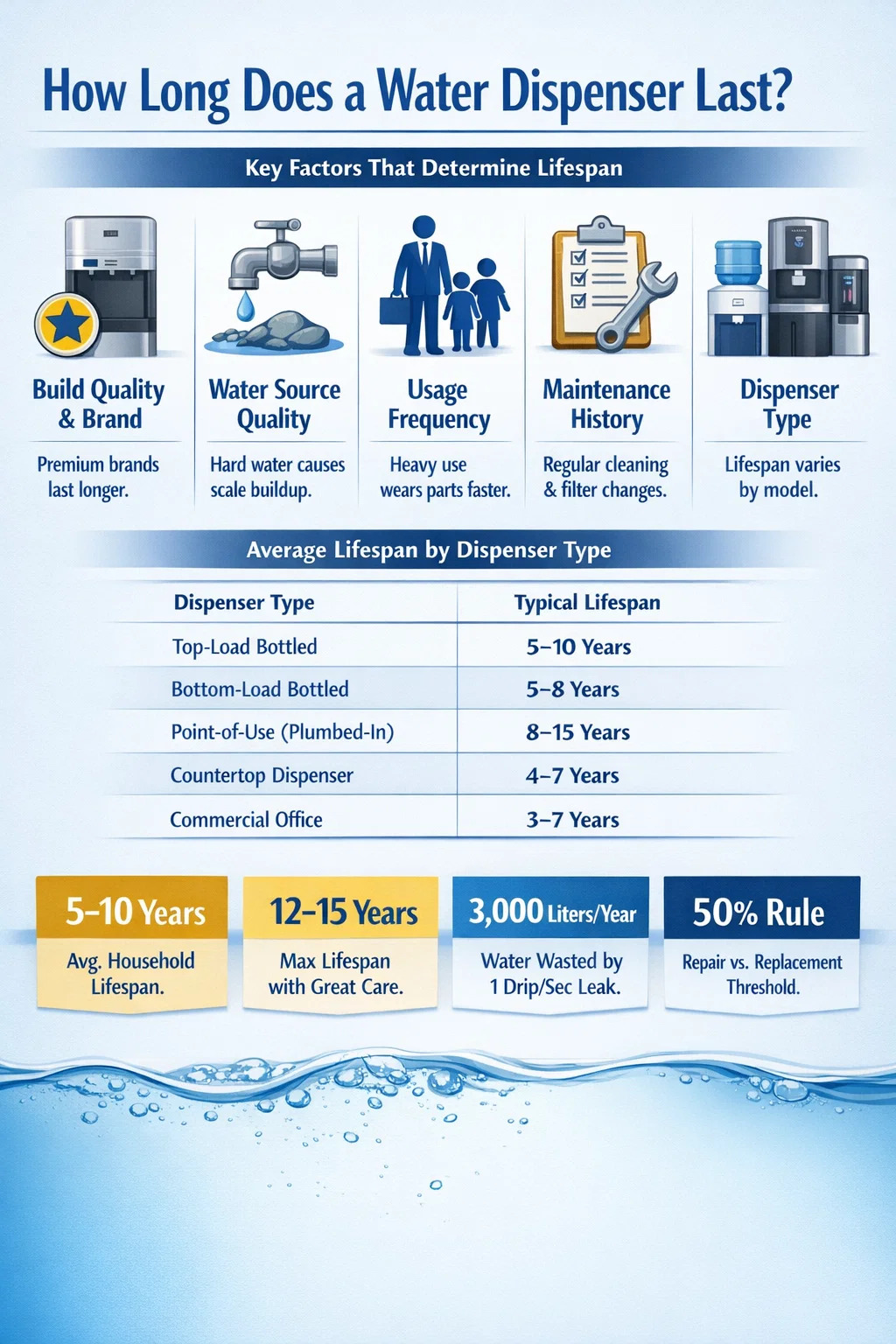
A water dispenser typically lasts 5 to 10 years under normal household use. Commercial units in offices or high-traffic environments may see a shorter effective lifespan of 3 to 7 years due to heavier workloads. With proper maintenance — including regular cleaning, timely filter replacement, and prompt repair of the water dispenser faucet — some units have been documented running reliably for 12 to 15 years. The actual lifespan depends heavily on build quality, usage frequency, water source quality, and how consistently the machine is serviced.
What Factors Determine How Long a Water Dispenser Lasts
Not all water dispensers age at the same rate. Several variables play a major role in how many years you can realistically expect from your unit before performance declines or parts begin to fail.
Build Quality and Brand
Entry-level dispensers priced under $100 are often made with thinner plastics and less robust internal components. Premium brands like Primo, Avalon, or Whirlpool typically use higher-grade materials for the tank, heating element, and water dispenser faucet assembly, which translates directly into longer service life. In independent durability tests, mid-to-high-end models consistently outperformed budget options by 3 to 5 years of operational life.
Water Source Quality
Hard water — water with high mineral content — is one of the leading causes of premature dispenser failure. Calcium and magnesium deposits accumulate in internal tubing, around the heating coil, and most visibly around the water dispenser faucet opening. These deposits restrict flow, force the heating or cooling system to work harder, and eventually cause leaks or full component failure. In areas where water hardness exceeds 200 mg/L (as is common in parts of the American Southwest and Midwest), dispensers without a built-in filtration stage can deteriorate noticeably within 2 to 3 years.
Usage Frequency
A dispenser used by a family of four draws far more water per day than one used by a single person. High-cycle usage wears out the spigot valve mechanism in the water dispenser faucet, strains the pump in bottom-load models, and increases thermal cycling on heating and cooling elements. Commercial dispensers serving 20 or more people daily may require component replacement within 3 to 4 years even if the overall unit remains structurally sound.
Maintenance History
Units that are cleaned every 3 to 6 months, have their filters replaced on schedule, and receive prompt attention when the water dispenser faucet starts dripping or leaking almost always outlast neglected units by a significant margin. Bacteria and mold buildup inside an uncleaned reservoir can also corrode internal surfaces over time, accelerating hardware degradation.
Average Lifespan by Type of Water Dispenser
Different dispenser designs have different failure points and expected service windows. The table below summarizes typical lifespans across the most common types.
| Dispenser Type | Typical Lifespan | Most Common Failure Point |
|---|---|---|
| Top-load bottled dispenser | 5–10 years | Water dispenser faucet valve wear |
| Bottom-load bottled dispenser | 5–8 years | Pump motor failure |
| Point-of-use (plumbed-in) dispenser | 8–15 years | Filter housing cracks, faucet seal |
| Countertop dispenser | 4–7 years | Spigot cracking, tank leaks |
| Commercial office dispenser | 3–7 years | Heating element burnout, faucet wear |
Point-of-use dispensers generally last the longest because they eliminate the physical handling stress of bottle swapping and operate with stable line pressure. The trade-off is that their water dispenser faucet and filter housing components need periodic inspection for mineral buildup and seal integrity.
The Role of the Water Dispenser Faucet in Overall Unit Longevity
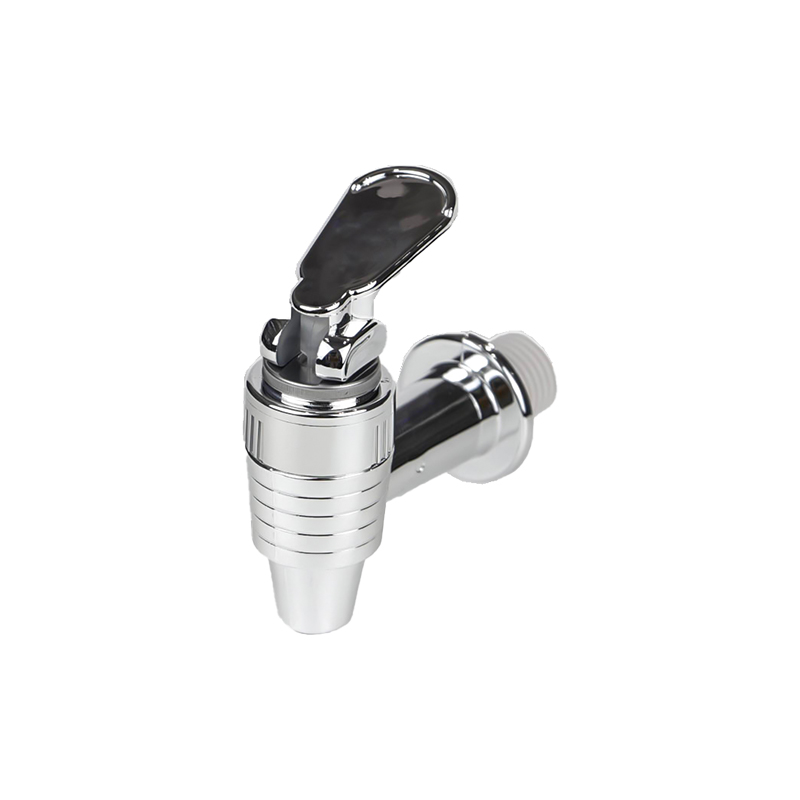
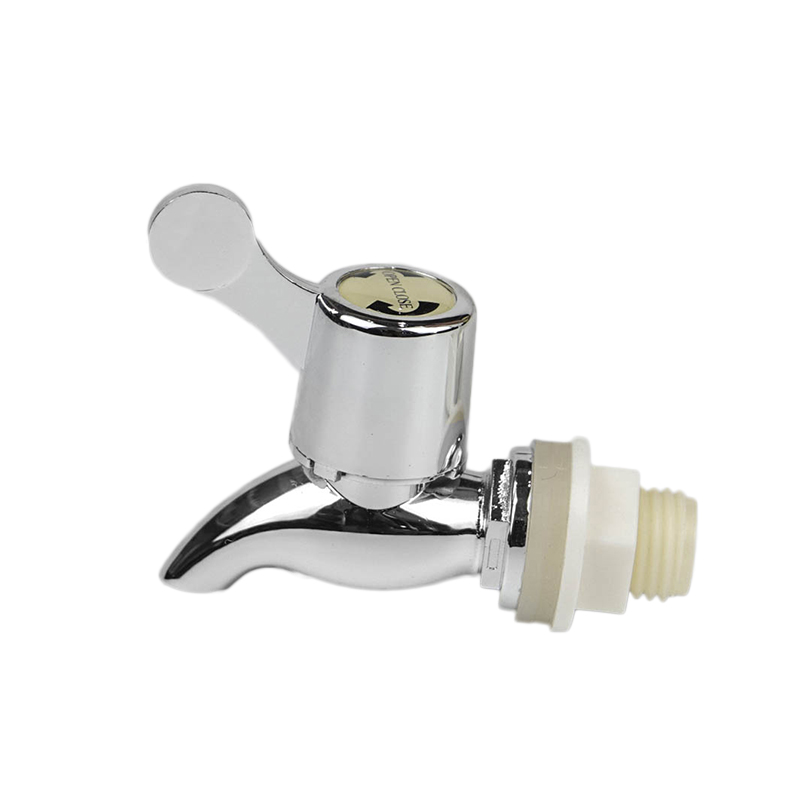
The water dispenser faucet is often the first component to show wear, and many people don't realize that a failing faucet doesn't necessarily mean the whole unit needs replacing. Understanding how the faucet ages — and what to do about it — can add years to your dispenser's functional life.
How the Water Dispenser Faucet Wears Over Time
The internal valve of a water dispenser faucet is typically made of silicone, rubber, or plastic. Each time the lever or button is pressed, a small seal compresses and releases to allow water flow. Over thousands of cycles, this seal compresses unevenly, leading to slow drips between uses. In hard water environments, mineral scale forms around the faucet opening and on the valve seat, making it harder to achieve a clean seal even when the rubber components are still technically intact.
A dripping water dispenser faucet wastes more water than most people expect. A leak rate of just one drop per second amounts to approximately 3,000 liters of wasted water per year. Beyond the waste, water dripping onto the drip tray and surrounding area creates a persistent moisture environment that encourages mold growth and can cause cabinet damage in built-in units.
Replacement vs. Repair of a Water Dispenser Faucet
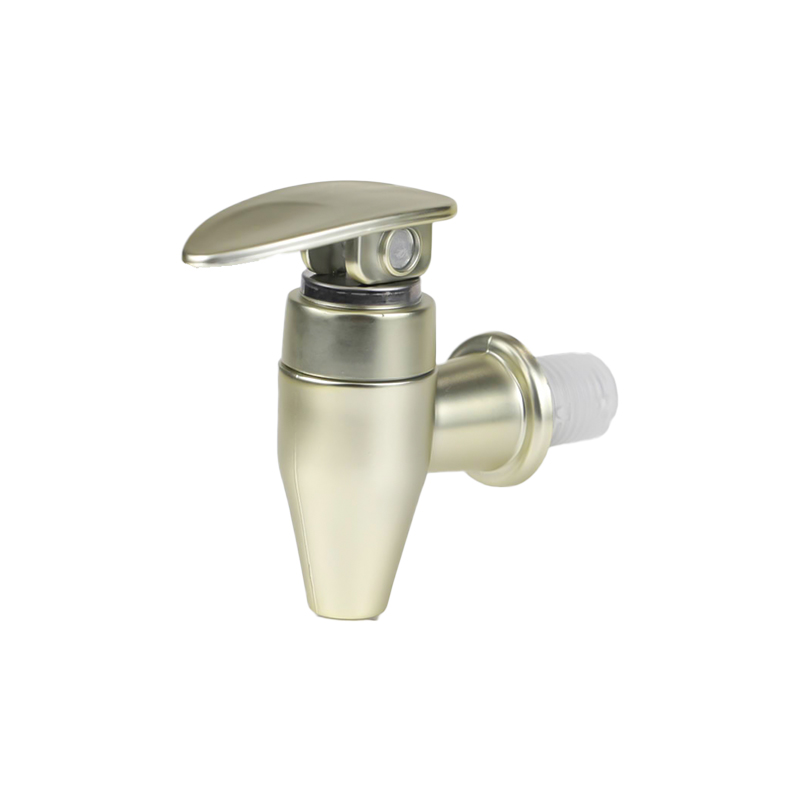
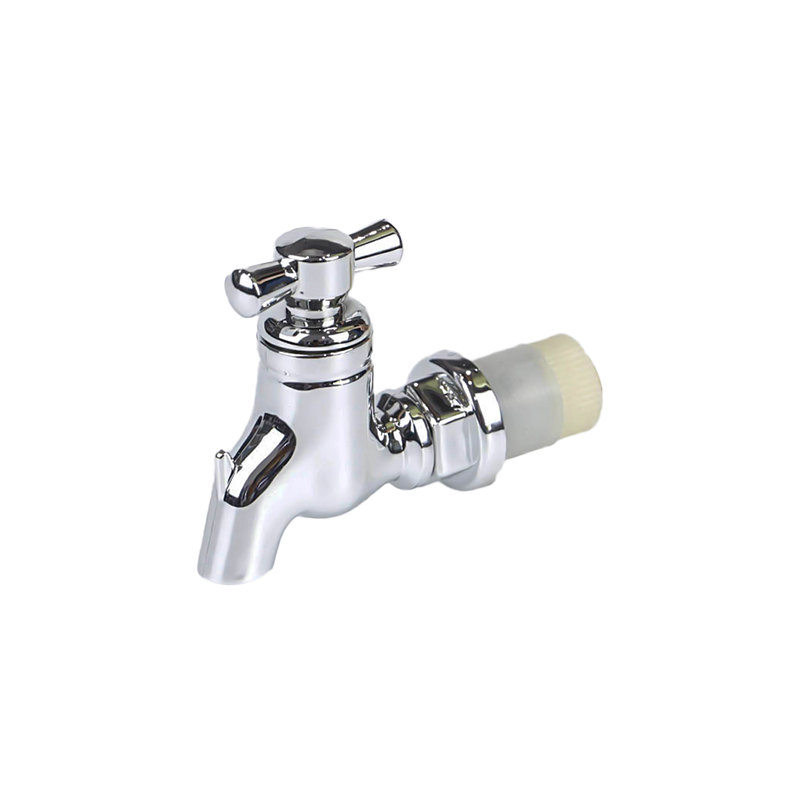
Replacement faucet assemblies for most major dispenser brands are widely available and typically cost between $8 and $30. Installation requires no special tools — usually just a wrench and 15 minutes. Given this low cost, replacing a worn water dispenser faucet is nearly always more economical than replacing the entire unit, provided the tank, heating element, and cooling system are still functioning correctly.
When shopping for a replacement, confirm compatibility by checking whether the faucet threading matches your unit's port diameter (commonly 1/4 inch or 3/8 inch) and whether the lever style — push-button, paddle, or spigot — matches your original configuration. Universal faucet kits often include adapters for multiple thread sizes.
Preventing Premature Faucet Wear
- Avoid pressing the faucet lever harder than necessary — the internal valve does not release water faster with increased force, and excess pressure accelerates seal deformation.
- Wipe around the faucet opening weekly to prevent mineral crust from building up on the valve seat.
- During deep cleaning cycles, soak the detachable faucet parts in a white vinegar solution for 30 minutes to dissolve scale deposits.
- Inspect the faucet gasket annually and replace it if you notice any cracking or flattening of the rubber.
Signs Your Water Dispenser Is Nearing the End of Its Life
Dispensers rarely fail all at once. They send signals over weeks or months before they become unusable. Recognizing these early signs can help you decide whether repair is worthwhile or replacement makes more sense.
Temperature Performance Drops
A properly functioning hot water dispenser should deliver water at 185°F to 205°F (85°C to 96°C), and a cold dispenser should reach 40°F to 50°F (4°C to 10°C). When the heating element or refrigeration coil begins to fail, output temperatures drift toward ambient room temperature. If your hot water output has fallen below 160°F or your cold water no longer feels noticeably cool, the thermal components are losing efficiency — a sign that the unit is in its final years.
Unusual Noises During Operation
Gurgling is normal in top-load dispensers as the bottle feeds water into the reservoir. However, persistent humming, rattling, or clicking sounds that weren't present when the unit was new often indicate a struggling compressor (in cooled units), a worn pump (in bottom-load models), or a failing thermostat. These noises frequently precede complete component failure within 6 to 12 months.
Persistent Leaks After Faucet Replacement
If you've already replaced the water dispenser faucet and leaking continues — or if water appears to be seeping from the base of the unit rather than the faucet connection — the internal reservoir or tubing may have developed cracks. Plastic tanks become brittle over time, particularly in units that frequently cycle between hot and cold states. At this point, repair costs often approach or exceed the price of a new unit.
Off Taste or Odor in the Water
A musty or plastic taste that persists after thorough cleaning and filter replacement can indicate that the internal tank material has degraded to the point of leaching compounds into the water. This is more common in older polycarbonate tanks and is a serious quality signal. If this issue appears in a unit older than 8 years, replacement is the safest course of action.
How to Maximize the Lifespan of Your Water Dispenser
Getting the maximum number of years from your dispenser comes down to a small number of consistent habits. None of them require significant time or expense, but collectively they make a substantial difference.
Establish a Regular Cleaning Schedule
The NSF recommends cleaning water cooler dispensers every 6 weeks to 3 months, depending on use level. A full internal cleaning involves draining the reservoir, wiping the interior with a food-safe sanitizing solution (one tablespoon of unscented bleach per gallon of water is a common recommendation), rinsing multiple times, and reassembling. The water dispenser faucet should be removed and cleaned separately during each cycle. Neglecting this schedule allows biofilm and algae to establish inside the tank, which accelerates corrosion of metal components and degrades plastic surfaces.
Replace Filters on Schedule
Filtered point-of-use dispensers typically require filter changes every 3 to 6 months, or every 1,500 to 3,000 liters — whichever comes first. An overdue filter does more than deliver worse water quality; it forces the dispenser's flow system to work against elevated resistance as the filter medium becomes clogged. This added strain shortens the life of the pump and faucet valve.
Inspect and Address the Water Dispenser Faucet Promptly
At the first sign of a drip from the water dispenser faucet — even a very slow one — address it immediately. The longer a seal leak continues, the more the valve seat erodes due to constant exposure to water and residual pressure. What starts as a $10 faucet seal repair can escalate to a full faucet assembly replacement if ignored, and persistent moisture around the unit can damage flooring and cabinetry.
Use the Right Water Source
Using pre-filtered or softened water in your dispenser — rather than raw tap water — dramatically reduces mineral scale accumulation on internal surfaces. If your local water is hard (above 120 mg/L TDS), consider running it through a countertop filter or pitcher before filling the reservoir. For plumbed-in models, a whole-house water softener upstream of the dispenser connection is the most effective long-term solution.
Keep the Unit in a Suitable Environment
Dispensers placed in direct sunlight experience accelerated plastic UV degradation and higher thermal load on cooling components. Avoid placement near heat sources like ovens, radiators, or direct sun exposure through windows. Maintain adequate clearance around the unit (at least 4 to 6 inches on all sides with ventilation openings) to allow heat dissipation from the compressor or heating element.
When to Repair vs. Replace Your Water Dispenser
The general rule of thumb for appliance repair economics is the 50% rule: if the repair cost exceeds 50% of the price of a comparable new unit, replacement is usually the better financial decision. For water dispensers, this plays out as follows:
- Water dispenser faucet replacement ($8–$30): Almost always worth repairing on any unit less than 10 years old.
- Thermostat replacement ($20–$60): Worth repairing if the unit is under 7 years old and otherwise functioning well.
- Heating element replacement ($40–$100): Worthwhile on mid-to-high-end units under 6 years old; borderline on cheaper models.
- Compressor replacement ($80–$200+): Generally only worth pursuing on high-end commercial units or premium residential models with significant remaining life expectancy.
- Internal tank cracks or reservoir failure: Replace the unit in virtually all cases, as tank repairs are rarely reliable long-term.
Also factor in age. A 9-year-old dispenser requiring a $60 repair might pass the 50% cost test, but investing in repairs on a unit that's already near or past its statistical lifespan carries the risk of a second failure occurring within months — leaving you with repair costs and a replacement purchase anyway.
Choosing a New Water Dispenser Built to Last
If you're in the market for a replacement, these are the features and specifications to prioritize for long-term durability.
Stainless Steel Tanks Over Plastic
Stainless steel internal tanks resist corrosion, do not leach chemicals into water over time, and handle thermal cycling far better than polycarbonate or ABS plastic reservoirs. Dispensers with food-grade stainless steel inner tanks — even when they cost $50 to $100 more upfront — consistently last longer and maintain water quality better throughout their lifespan.
Replaceable and Widely Available Faucet Parts
Before purchasing, check whether replacement parts — specifically the water dispenser faucet assembly and internal filter — are readily available from multiple suppliers. Some budget brands use proprietary components that become unavailable within 2 to 3 years of the model being discontinued. A dispenser whose water dispenser faucet can be replaced with a $12 universal part will always have a lower total cost of ownership than one requiring a hard-to-find $60 OEM component.
NSF/ANSI Certification
NSF/ANSI 372 certification confirms the unit meets lead-free construction standards — important not just for water safety but as an indicator of overall build quality. Manufacturers who invest in NSF certification processes generally maintain higher production standards across the board.
Warranty Length as a Quality Signal
Most quality residential dispensers carry a 1-year warranty as standard, with premium models offering 2 to 3 years. A manufacturer willing to back their product for 2 or 3 years is communicating confidence in its reliability. Extended warranty programs offered at the point of sale can also be worthwhile for units in the $200+ price range, given that compressor or heating element repairs in that category can approach $100 to $150 in parts alone.
Summary: Key Numbers to Know About Water Dispenser Lifespan
| Metric | Typical Value |
|---|---|
| Average household dispenser lifespan | 5–10 years |
| Maximum lifespan with excellent maintenance | 12–15 years |
| Recommended cleaning frequency | Every 6–12 weeks |
| Water dispenser faucet replacement cost | $8–$30 |
| Filter replacement interval | Every 3–6 months |
| Water wasted by a 1-drop-per-second faucet leak | ~3,000 liters/year |
| Repair-vs-replace cost threshold | 50% of new unit price |
Understanding these numbers gives you a practical framework for evaluating the health of your current unit and making sound decisions about maintenance, repair, and eventual replacement — without guessing or relying on vague impressions of when something "seems old enough."