
 English
 русский
 日本語
日本語 عربى
عربى Español
Content
The Three Primary Types of Water Dispensers
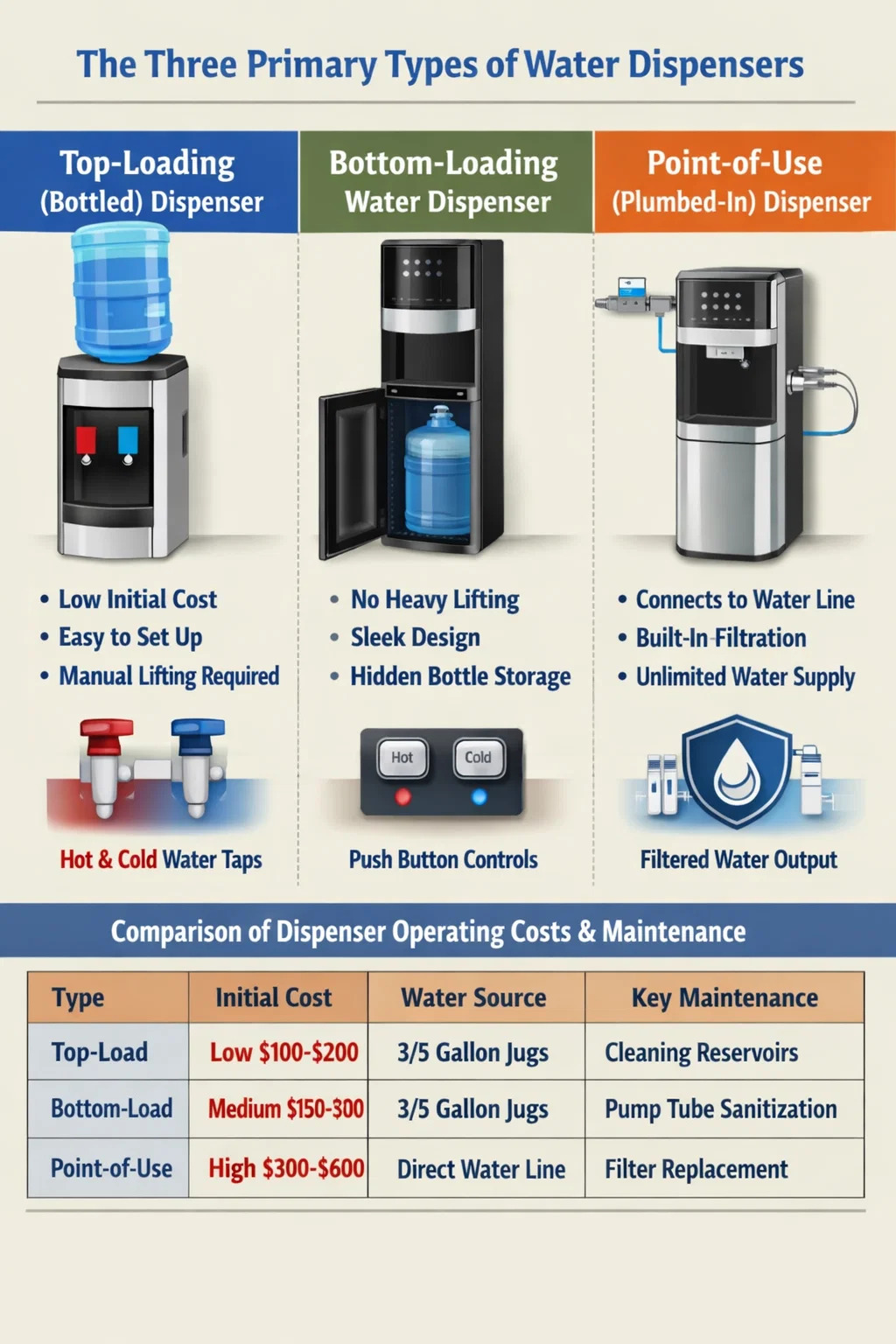
When evaluating hydration solutions for a home or office, water dispensers are generally categorized into three distinct types based on their loading mechanism and water source: Top-Loading (Bottled) Dispensers, Bottom-Loading Dispensers, and Point-of-Use (Plumbed) Dispensers. Each system utilizes a specific water dispenser faucet configuration to manage flow, and choosing the right one depends on your physical space, budget, and desired maintenance level.
Top-Loading Bottled Water Dispensers
The top-loading model is the most traditional and widely recognized version. It operates by placing a large 3 or 5-gallon water jug upside down into a receptacle on the top of the unit. Gravity feeds the water into internal reservoirs where it is either chilled or heated.
Advantages and Design
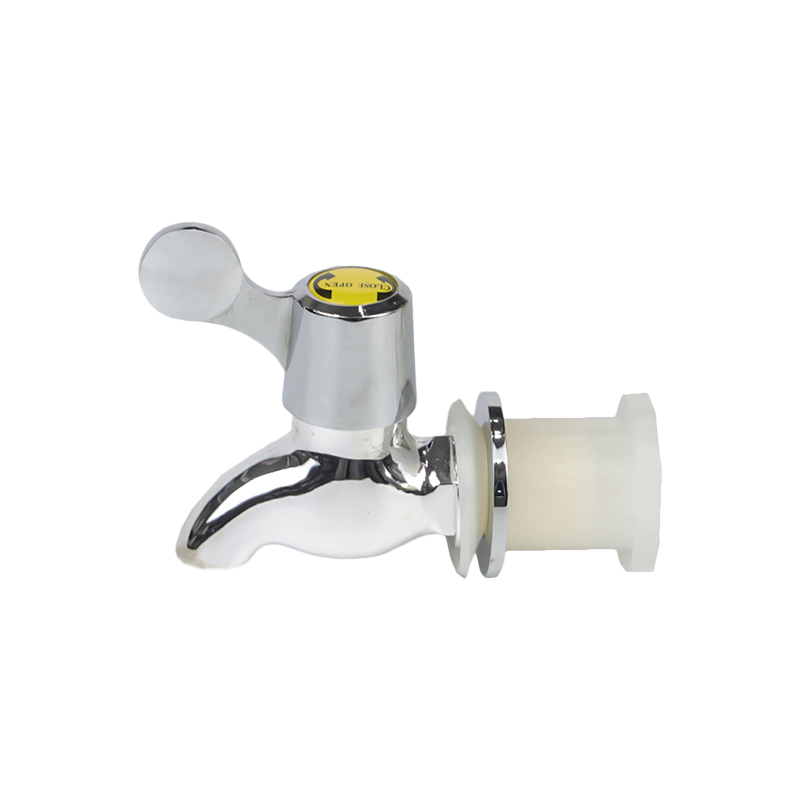
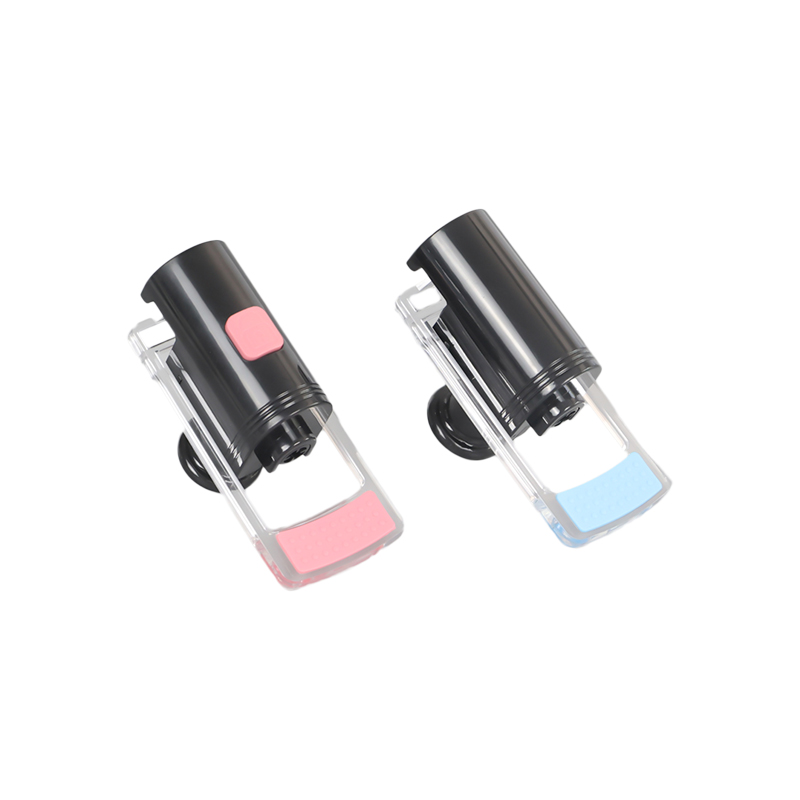
These units are valued for their low initial cost and ease of setup, as they do not require a connection to a water line. They typically feature a simple water dispenser faucet system—often color-coded blue for cold and red for hot—that relies on physical pressure to release the liquid. Because the water level is visible through the clear jug, users can easily see when a replacement is needed.
Key Considerations
The primary drawback is the physical labor required. A full 5-gallon jug weighs approximately 42 pounds (19 kg), making the loading process difficult for some users. Additionally, if the bottle is not seated correctly, it can lead to leaks around the base of the neck.
Bottom-Loading Water Dispensers
Bottom-loading dispensers were engineered to solve the heavy lifting issue associated with top-loading models. In this setup, the water bottle is stored in a cabinet at the base of the machine. A pump system draws the water up through a tube and into the cooling and heating tanks.
Aesthetic and Ergonomic Benefits
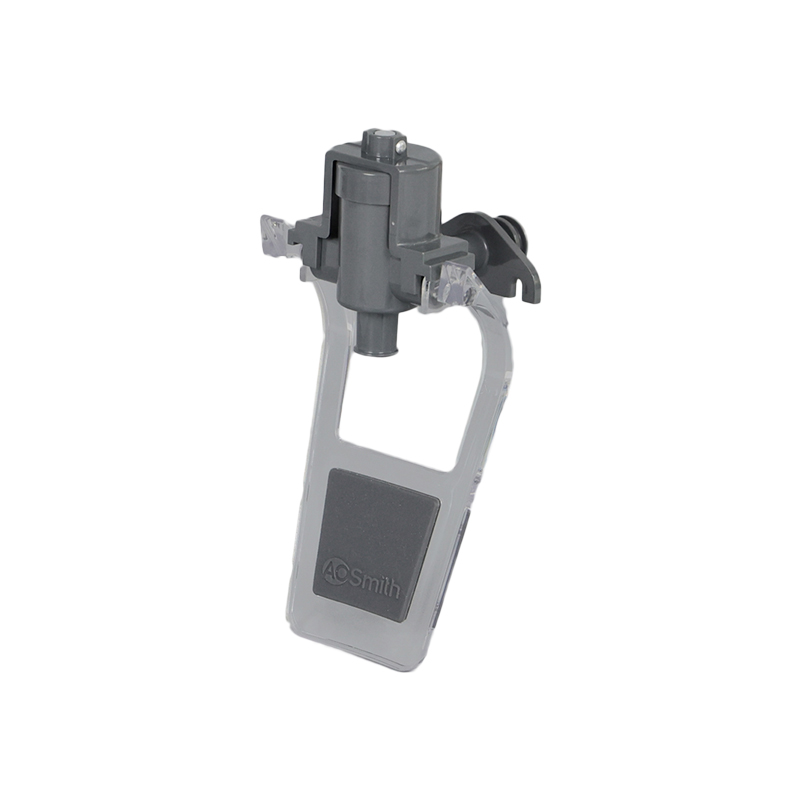
Beyond the physical ease of use, these units offer a sleeker appearance because the bulky water jug is hidden behind a door. This makes them a favorite for modern kitchens and professional lobbies. The water dispenser faucet on these models is often located higher up, providing better ergonomics for the user.
- Eliminates the risk of spills during bottle changes.
- Reduces exposure of the water to direct sunlight, which helps prevent algae growth inside the jug.
- Usually features high-quality metal drink dispenser taps or electronic buttons for a premium feel.
Point-of-Use (POU) or Plumbed-In Dispensers
A Point-of-Use dispenser is a bottleless system that connects directly to your building’s existing water line. It functions much like a refrigerator water dispenser but in a standalone or countertop format. This type is frequently seen in high-traffic office environments where changing bottles would be a constant chore.
Efficiency and Filtration
POU systems are highly efficient because they offer an unlimited water supply. Most units come equipped with multi-stage filtration systems (such as carbon filters or reverse osmosis) to ensure the water tastes as clean as bottled varieties. The water dispenser faucet in these machines is designed to handle high-frequency use without dripping.
| Type | Initial Cost | Water Source | Key Maintenance |
|---|---|---|---|
| Top-Load | Low ($100-$200) | 3/5 Gallon Jugs | Cleaning reservoirs |
| Bottom-Load | Medium ($150-$300) | 3/5 Gallon Jugs | Pump tube sanitization |
| Point-of-Use | High ($300-$600) | Direct Water Line | Filter replacement |
Maintenance of the Water Dispenser Faucet
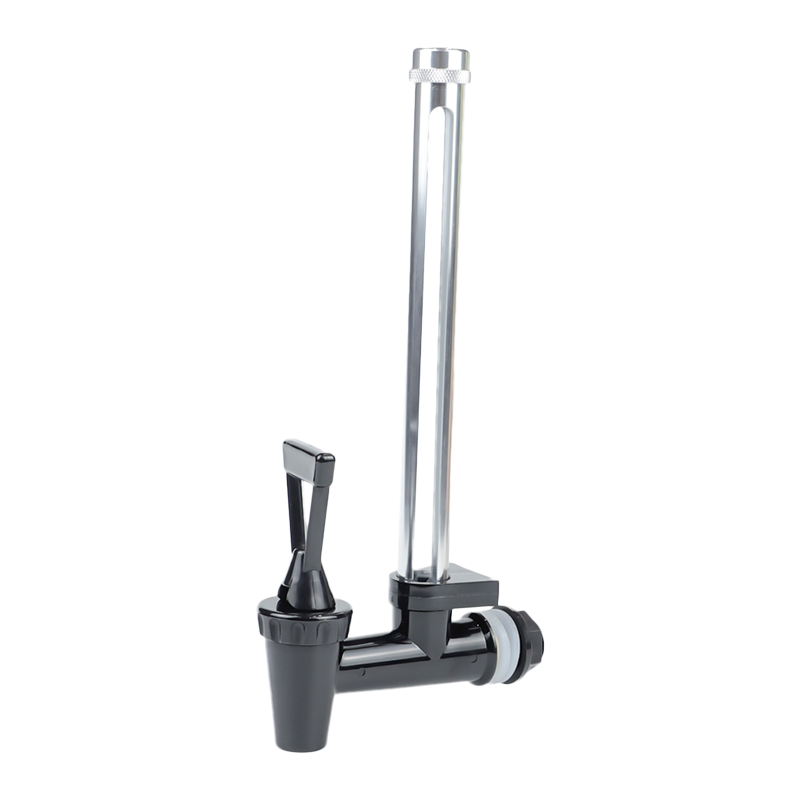
Regardless of the dispenser type you choose, the water dispenser faucet is the part that requires the most attention for hygiene. Because this is the touchpoint for bottles and cups, it can become a breeding ground for bacteria if ignored.
To keep your faucet in top condition, you should perform a routine wipe-down with a food-safe sanitizer at least twice a week. If you notice a slow leak or drip, the internal silicone valve or the beverage dispenser spigot assembly might need to be tightened or replaced. Many modern POU dispensers now include UV-C sanitization lights at the point of discharge to automatically kill germs at the faucet tip.
Selecting the Right Dispenser for Your Needs
Making the right choice involves balancing convenience with infrastructure. If you are in a rental property where you cannot modify the plumbing, a bottled dispenser (top or bottom load) is the logical choice. For those who own their home or manage a large office, a POU system provides the best long-term value by eliminating the logistical headache of ordering and storing heavy jugs.
Pay close attention to the safety features on the hot water side. A high-quality water dispenser faucet should always include a child-safety lock that requires a two-step action to dispense hot water, preventing accidental burns in households with small children.