
 English
 русский
 日本語
日本語 عربى
عربى Español
Content
- 1 The Direct Answer: What Is a Fancy Name for a Beverage?
- 2 A Deep Look at "Libation": The Grandest Fancy Term for a Drink
- 3 Full Glossary: Fancy and Elevated Synonyms for Beverage
- 4 What Is a Beverage Spigot and Why Does the Term Matter?
- 5 Potation, Draught, and Tipple: The Fine Distinctions Between Elevated Drink Terms
- 6 Elixir and Nectar: When Beverage Language Becomes Mythological
- 7 How the Beverage Spigot Connects to Elevated Drink Culture
- 8 Cordial, Infusion, and Brew: The Artisan Side of Beverage Vocabulary
- 9 Choosing the Right Fancy Term for Different Occasions
- 10 The Etymology of "Beverage" Itself
- 11 Beverage Spigot Varieties and Their Specific Applications
- 12 Why Beverage Vocabulary Continues to Evolve
The Direct Answer: What Is a Fancy Name for a Beverage?
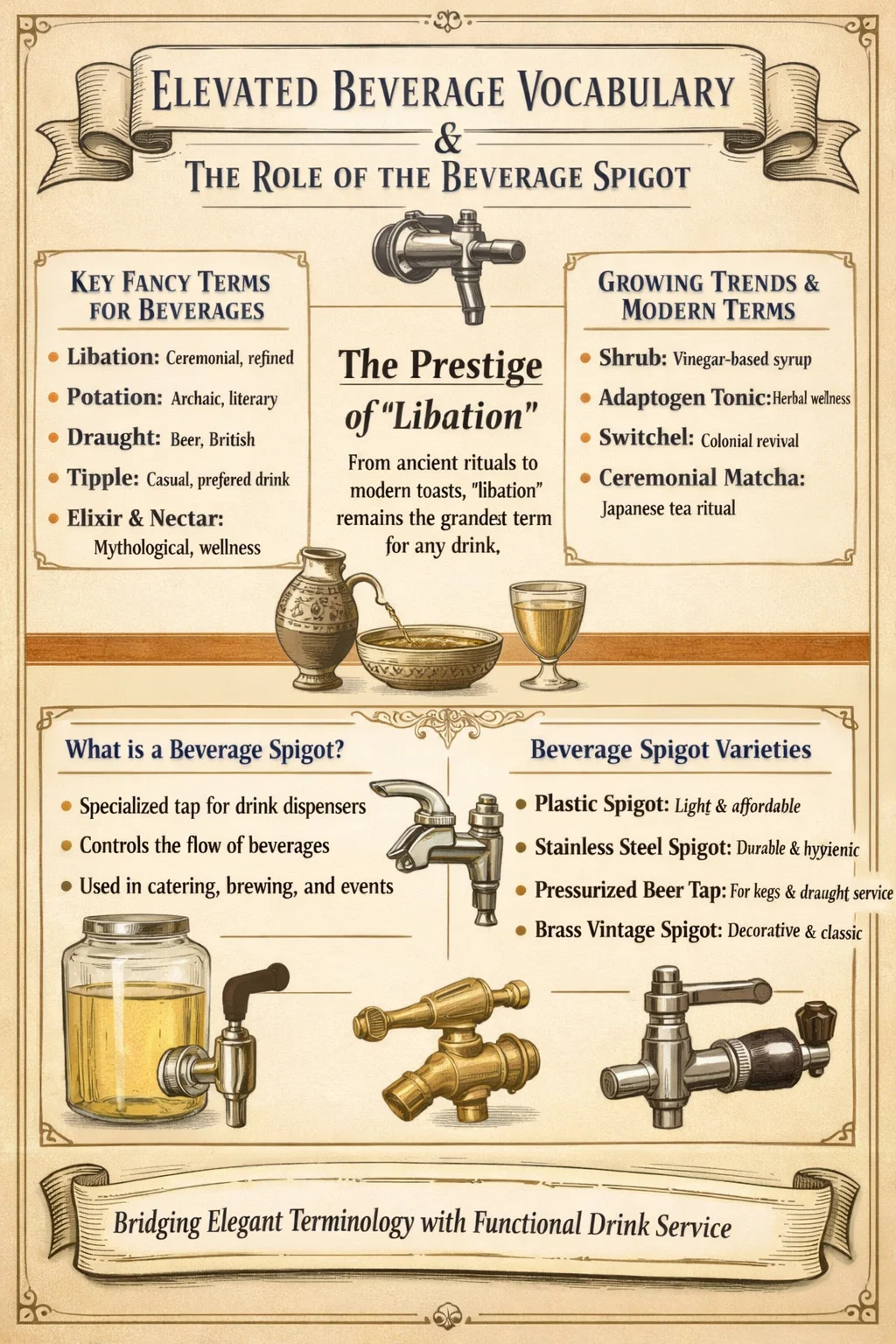
The most widely recognized fancy name for a beverage is "libation." Derived from the Latin word libatio, meaning a ritual pouring of liquid as an offering to gods or spirits, libation has evolved into an elevated, often humorous or ceremonial term for any drink — alcoholic or otherwise. Close runners-up include "potation" (from Latin potatio, meaning the act of drinking), "draught" (a refined British spelling of "draft," referring to a serving of liquid), and "tipple" (an informal but sophisticated British term for a habitual or preferred alcoholic drink).
Beyond single-word synonyms, the vocabulary surrounding beverages — including hardware terms like the beverage spigot — carries its own layer of refined language. A beverage spigot, for example, is the formal designation for the tap or valve mechanism used to dispense liquid from a container, cooler, or barrel, distinguishing itself from a basic faucet by its association with curated drink service. Understanding these terms gives you command over both the language of beverages and the culture surrounding them.
A Deep Look at "Libation": The Grandest Fancy Term for a Drink
The word "libation" carries more cultural weight than almost any other synonym for beverage. Its origins trace back over 3,000 years to ancient Greek and Roman religious practices, where priests and worshippers poured wine, oil, or water onto the ground or into a flame as an offering to deities. Homer references libations extensively in both the Iliad and the Odyssey, and Roman records from as early as 700 BCE document structured libation ceremonies.
In modern usage, "libation" has taken on a warm, slightly ironic connotation. When someone says, "Let me pour you a libation," they are invoking centuries of ceremonial weight to describe something as simple as handing you a glass of iced tea. This contrast between grandiosity and everyday drinking is exactly why the word has persisted and thrived in contemporary language.
Libation is especially common in formal toasting culture. At weddings, galas, and corporate events, hosts invite guests to "raise their libations" rather than asking them to "lift their drinks." The word appears in over 2.3 million published English texts tracked in Google's Ngram Viewer, with usage peaking in literary and formal discourse between 1850 and 1920, and experiencing a notable resurgence in casual social media usage after 2010.
Full Glossary: Fancy and Elevated Synonyms for Beverage
English offers a surprisingly rich lexicon of refined or unusual terms for drinks. The following table organizes the most significant ones by formality, origin, and typical context of use:
| Fancy Term | Language Origin | Formality Level | Typical Context |
|---|---|---|---|
| Libation | Latin / Greek | High / Ceremonial | Toasts, events, literary use |
| Potation | Latin | High / Archaic | Academic, historical writing |
| Draught | Old English | Medium / Refined | Beer culture, British English |
| Tipple | British English | Casual / Charming | Everyday British social speech |
| Elixir | Arabic / Medieval Latin | High / Mystical | Marketing, wellness, cocktail menus |
| Nectar | Greek / Latin | Poetic / Elevated | Juices, divine imagery, branding |
| Brew | Old English | Casual / Artisanal | Craft beer, coffee, tea culture |
| Infusion | Latin | Medium / Technical | Tea, herbal drinks, mixology |
| Cordial | Medieval Latin | Refined / Warm | Sweet liqueurs, hospitality |
| Quaff | Origin uncertain | Literary / Whimsical | Fantasy writing, pub culture |
What Is a Beverage Spigot and Why Does the Term Matter?
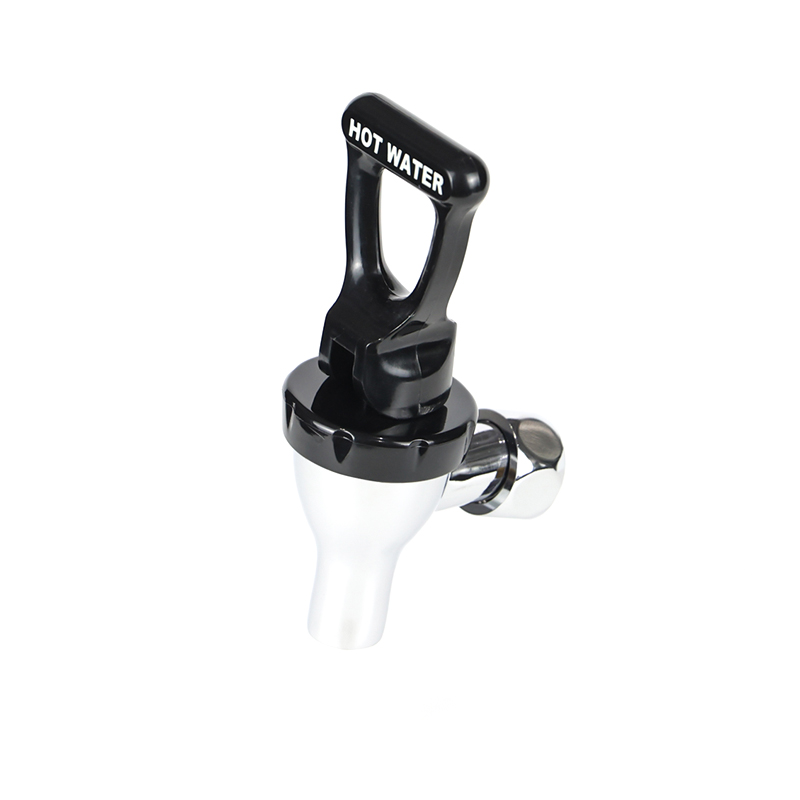
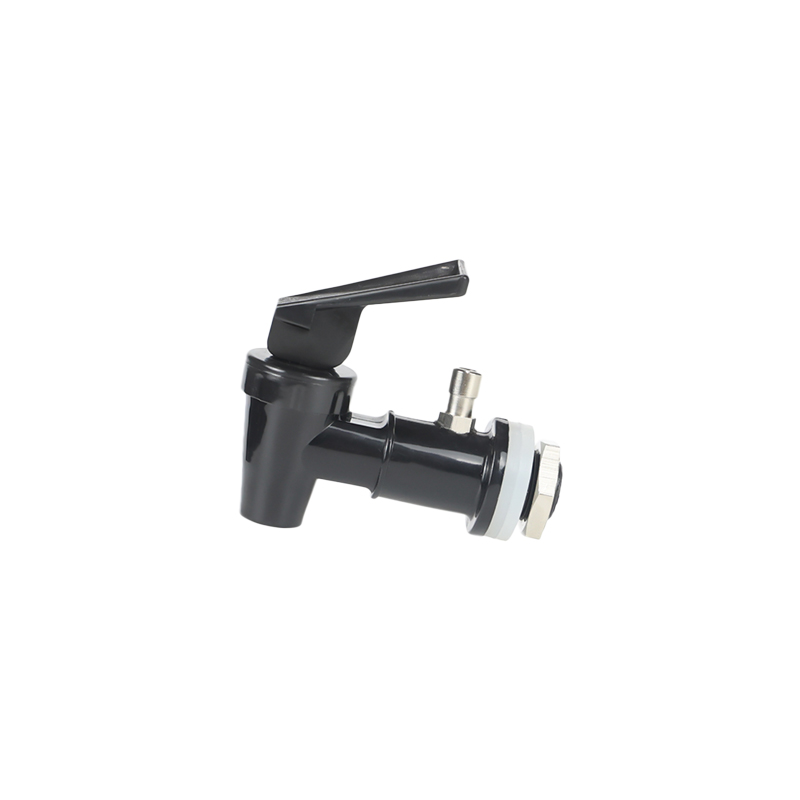
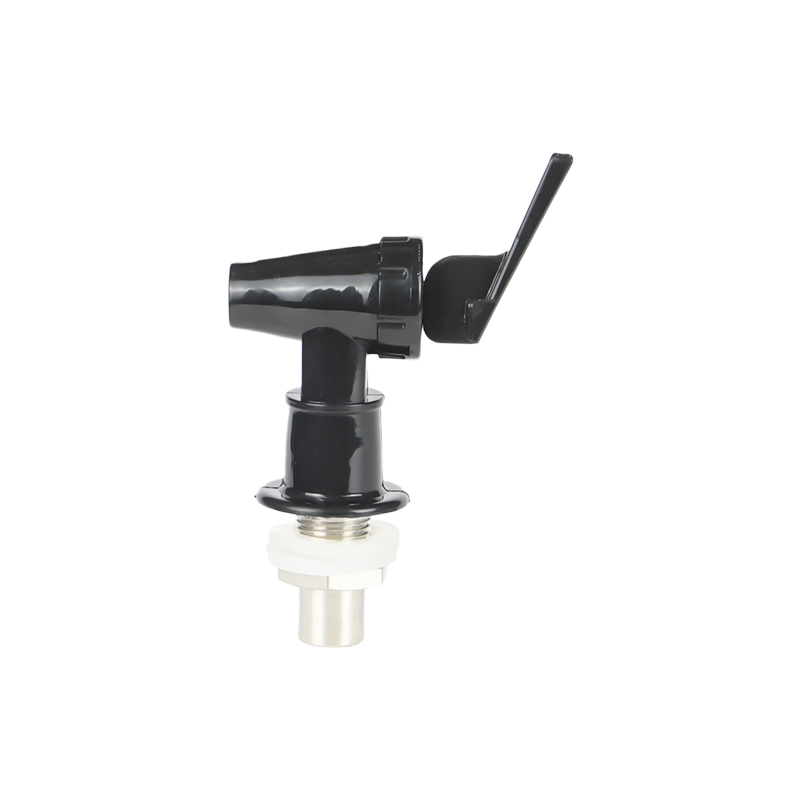
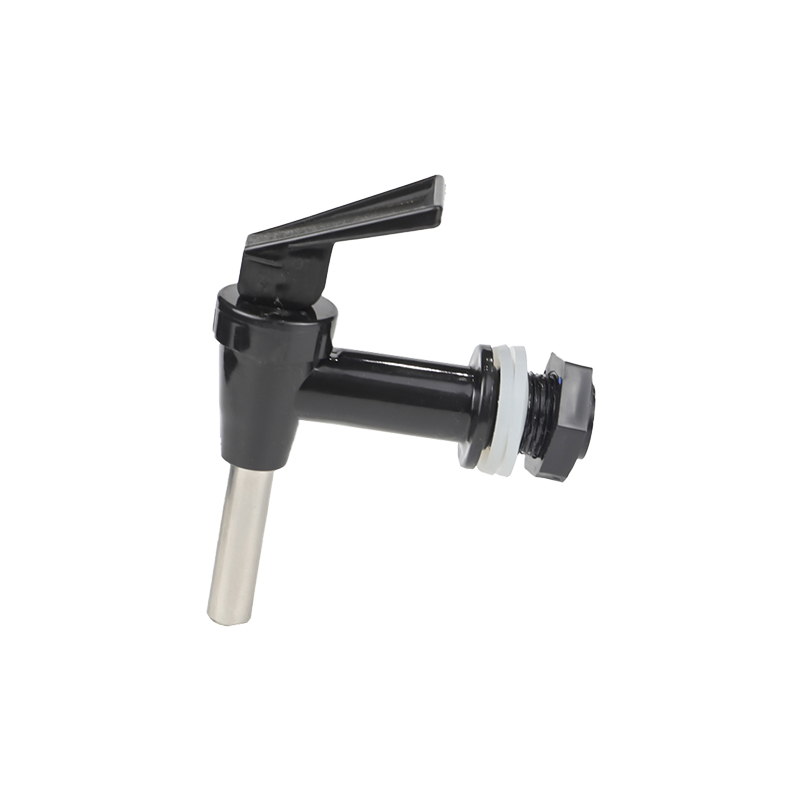
A beverage spigot is the valve or tap mechanism fitted to a container — such as a drink dispenser, an iced beverage cooler, a wine barrel, or a large-format water jug — that controls the flow of liquid when serving. The word "spigot" itself comes from the Middle Dutch spigghe, referring to a small peg or plug used to stop a hole in a cask. Over centuries, its meaning expanded to include any faucet-like device on a non-plumbing container.
The term "beverage spigot" distinguishes a drink-service fitting from a plumbing faucet or a garden tap. In professional catering and event hospitality, specifying a beverage spigot rather than simply a "tap" signals awareness of the equipment category. For example:
- A glass beverage dispenser with a stainless-steel spigot is standard equipment at catered brunches and self-serve drink stations.
- Beverage-grade spigots are manufactured to meet food-contact safety standards, such as BPA-free plastic or food-safe stainless steel — different from ordinary plumbing hardware.
- In homebrewing, a fermentation vessel spigot (also called a beverage spigot) allows brewers to transfer liquid without exposing it to air, reducing oxidation risk.
- The global beverage dispensing equipment market was valued at approximately $14.8 billion in 2023, reflecting how central controlled-flow mechanisms like the beverage spigot are to the modern food service industry.
When shopping for drink dispensers or event equipment, using the precise term "beverage spigot" yields far more targeted results than searching for "drink tap" or "liquid valve," because it maps directly to the product category used by manufacturers and retailers.
Potation, Draught, and Tipple: The Fine Distinctions Between Elevated Drink Terms
Potation
"Potation" comes from the Latin potare (to drink) and technically refers not only to a drink itself but to the act of drinking. Shakespeare used it memorably — Iago's speech in Othello (Act II, Scene 3) references "potations pottle-deep," meaning drinking to the very bottom of a half-gallon vessel. Today, "potation" appears mainly in literary contexts, academic writing about drinking culture, and occasionally on upscale cocktail menus seeking a deliberately arcane tone.
Draught
A "draught" (pronounced "draft") is a single serving of liquid drawn from a container — particularly beer pulled from a keg. The term is standard in British English and widely used in Irish and Australian pub culture. Over 60% of beer consumed in British pubs is served on draught, according to the British Beer and Pub Association's 2022 data. The word carries connotations of freshness, tradition, and careful dispensing — qualities reinforced when combined with a quality beverage spigot system on the bar.
Tipple
"Tipple" is charmingly informal yet distinctly more sophisticated than plain "drink." It implies a habitual, personally favored alcoholic beverage — someone's "usual." The phrase "what's your tipple?" is a quintessentially British social invitation. The word may derive from a Norwegian dialectal term tipla, meaning to drip or drink slowly. It is rarely applied to non-alcoholic drinks, which keeps it categorically specific in a way that "libation" is not.
Elixir and Nectar: When Beverage Language Becomes Mythological
Two of the most evocative fancy names for beverages reach into mythology and medieval alchemy: "elixir" and "nectar."
Elixir derives from the Arabic al-iksīr, which itself came from the Greek xērion, a drying powder used in medicine. Medieval alchemists sought the "elixir of life" — a legendary substance that would grant immortality or transform base metals into gold. By the 17th century, "elixir" had entered English as a term for any potent, often medicinal liquid. Today it is heavily used in the wellness industry (kombucha brands, adaptogen drinks, herbal tonics) and in cocktail bar menus seeking to position their drinks as transformative experiences rather than mere alcohol.
Nectar comes directly from the Greek nektar — the drink of the gods on Mount Olympus, distinguished from ambrosia (their food). The word literally combines nek- (death) and -tar (carrying), suggesting something that carries away death, i.e., grants immortality. In modern usage, "nectar" appears on juice packaging, smoothie menus, mead labels, and honey-based drink products. It universally signals sweetness, purity, and desirability.
Both terms are commercially powerful. A 2019 Cornell University study on beverage menu language found that products described with sensory-mythological language — including words like "elixir" and "nectar" — were perceived as up to 27% more premium and customers were willing to pay proportionally more for them.
How the Beverage Spigot Connects to Elevated Drink Culture
The language of fancy beverages does not exist in isolation from the equipment used to serve them. A beverage spigot is the functional bridge between a carefully prepared drink and the person who receives it, and its quality directly impacts the drinking experience. Here is how the beverage spigot fits within the broader culture of refined drink service:
Craft Beer and Draught Service
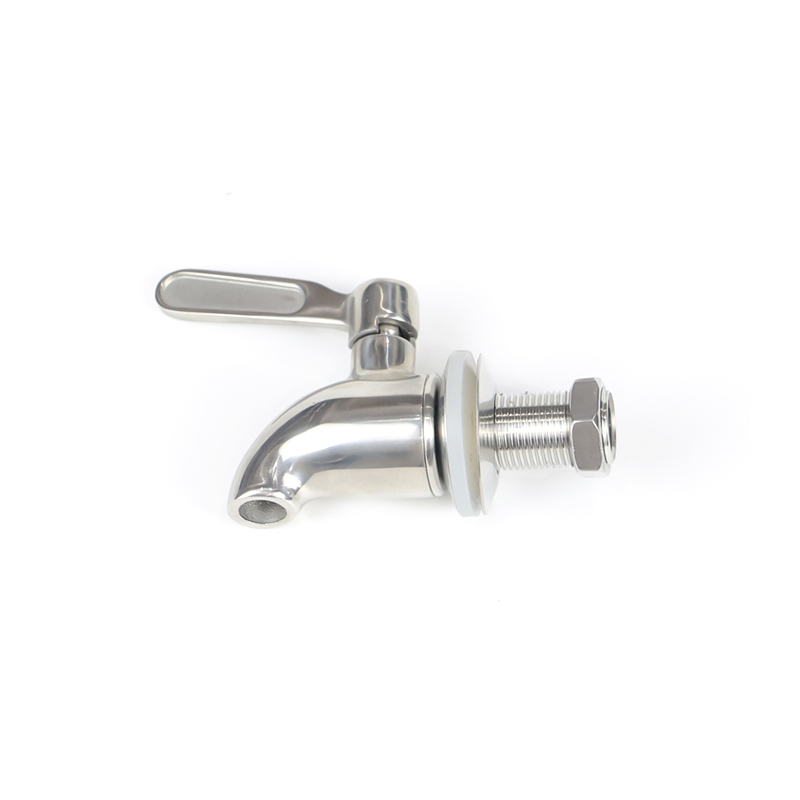
In craft brewing, a beverage spigot on a serving vessel controls carbonation loss, prevents contamination, and ensures each draught maintains the brewer's intended flavor profile. Stainless-steel beverage spigots rated for pressurized systems are standard in taprooms. An improperly sealed or low-quality spigot can introduce oxygen into a keg, causing oxidation flavors (wet cardboard, sherry-like notes) that ruin a carefully brewed product.
Event Catering and Drink Stations
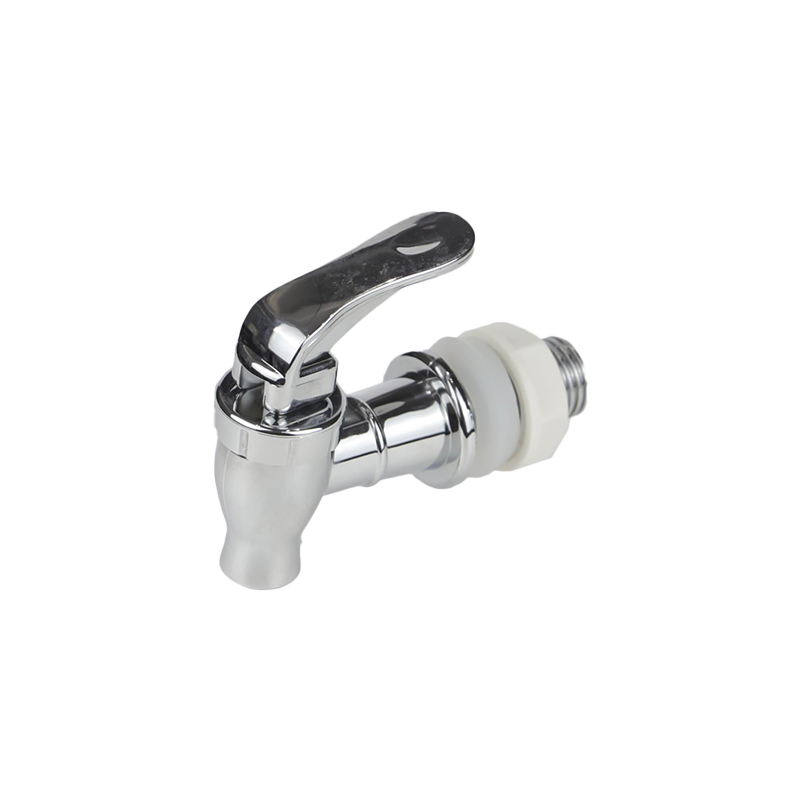
At weddings, corporate events, and outdoor festivals, glass beverage dispensers fitted with chrome or brushed-metal spigots have become a design standard, replacing plastic punch bowls with visually appealing, self-serve stations. The choice of spigot finish — brass versus stainless, lever-handle versus push-button — is itself a design decision that communicates the event's style and budget tier.
Cold Brew and Infusion Service
The cold brew coffee market, valued at $1.37 billion globally in 2023 and projected to grow at over 22% annually through 2030 (Grand View Research), relies extensively on beverage spigot dispensers. Cold brew towers fitted with precision spigots allow cafés to serve consistent portions without disturbing the concentrate, which degrades in quality if exposed to repeated air contact.
Kombucha and Fermented Beverage Dispensing
Kombucha brewers at both commercial and home-brew scale depend on beverage-grade spigots rated for acidic liquids. The typical pH of kombucha ranges from 2.5 to 3.5, aggressive enough to corrode low-quality metal fittings and leach unwanted flavors into the drink. Food-safe polypropylene or 304 stainless-steel spigots are the industry-recommended options.
Cordial, Infusion, and Brew: The Artisan Side of Beverage Vocabulary
Three terms occupy an important space between the purely ceremonial and the deeply practical: cordial, infusion, and brew.
A cordial originally referred to a heart-strengthening medicine (from Latin cor, heart). By the 18th century, it had shifted to mean a sweet, fruit-based liqueur or syrup served to guests as a sign of warmth and hospitality. British Roses Lime Cordial, first produced in 1867, is arguably the world's most famous commercial cordial. Today, artisan cordial-making has seen a strong revival, with small-batch producers creating flavors like elderflower, hibiscus, and gooseberry that command $12 to $30 per bottle at specialty food retailers.
An infusion is any beverage made by steeping plant material — herbs, flowers, spices, fruits — in liquid, usually water or alcohol, without boiling. Technically, tea is an infusion. So is a fruit-steeped water served at a spa. The word carries clinical precision alongside sensory appeal, which is why it appears both on fine-dining menus ("lavender and chamomile infusion") and in pharmaceutical contexts.
A brew is arguably the most versatile artisan term for a beverage. It applies to beer, tea, coffee, and herbal preparations alike. The craft beverage movement has reclaimed "brew" as a mark of intentionality and skill — something hand-crafted and considered, as opposed to mass-produced. The term pairs naturally with beverage spigot equipment, as home brewers and craft producers both rely on quality dispensing hardware to serve their brews.
Choosing the Right Fancy Term for Different Occasions
Knowing which elevated beverage term to deploy in which context matters for clarity, tone, and the impression you make. The following guide covers the most practical scenarios:
- Formal toasts and speeches: Use "libation." It carries ceremonial gravity and is universally understood in both British and American English.
- Cocktail and bar menus: "Elixir," "infusion," and "cordial" all work well. They signal craft and intentionality without sounding stuffy.
- British or Irish social settings: "Tipple" and "draught" are natural and charming. "Potation" would come across as deliberately theatrical.
- Wellness and health branding: "Elixir," "nectar," and "infusion" dominate this space and resonate with health-conscious consumers.
- Academic or historical writing: "Potation" and "libation" both fit, depending on whether you are describing the act of drinking or the drink itself.
- Craft and artisan drink contexts: "Brew," "draught," and "cordial" carry the right artisanal connotations.
- Event catering and self-serve stations: Pair elegant glassware with a quality beverage spigot and label your station with terms like "artisan infusion bar" or "signature libation station" for maximum effect.
The Etymology of "Beverage" Itself
To fully appreciate fancy synonyms for "beverage," it helps to understand where the word itself comes from. "Beverage" entered English through the Old French bevrage, from the Latin bibere, meaning to drink. The same root gave English "imbibe" (to drink, or to absorb an idea deeply) and the technical term "bibulous" (excessively fond of drinking, or highly absorbent). The Latin bibere is also the direct ancestor of "beer" in several Romance languages — Spanish cerveza is an exception, deriving from a Celtic root.
"Beverage" first appeared in written English records around the 14th century and was used broadly for any liquid consumed for nourishment or pleasure. Today it remains the standard, neutral term — the workhorse against which all fancier synonyms are measured. Its neutrality is precisely what makes the alternatives so effective: calling something a "libation" or an "elixir" immediately elevates it above the ordinary, while "beverage" keeps it grounded.
In professional and regulatory language, "beverage" remains the preferred term. The U.S. Food and Drug Administration uses "beverage" as the standard classification category. The International Beverage Management Association, which sets global standards for the food service industry, likewise builds its entire taxonomy around the word. This institutional grounding means "beverage" will never become archaic — it will always serve as the anchor point from which more colorful language departs.
Beverage Spigot Varieties and Their Specific Applications
Since the beverage spigot is the mechanical companion to elevated drink service, a closer look at its varieties clarifies which type suits which application:
| Spigot Type | Material | Best Application | Key Advantage |
|---|---|---|---|
| Lever-handle plastic spigot | BPA-free polypropylene | Water, juice, iced tea dispensers | Lightweight, low cost, safe for acids |
| Stainless-steel push-tap spigot | 304 stainless steel | Craft beer, kombucha, cold brew | Durable, hygienic, flavor-neutral |
| Brass vintage spigot | Food-grade brass | Wine barrels, decorative dispensers | Aesthetic appeal, traditional look |
| Pressurized beer spigot | Stainless steel with rubber seal | Keg systems, draught beer service | Maintains carbonation under pressure |
| Silicone-sealed fermentation spigot | Plastic with silicone gasket | Home brewing, fermentation vessels | Airtight, prevents oxidation |
Matching the correct beverage spigot to the intended use is as important as choosing the right vessel. A low-quality spigot on a premium drink dispenser undermines the entire experience, just as an ill-chosen word can deflate an otherwise elegant description.
Why Beverage Vocabulary Continues to Evolve
The richness of fancy beverage terminology is not a static phenomenon. New terms emerge constantly as drink culture evolves, often driven by the craft beverage movement, wellness trends, and global cultural exchange. A few examples of recently coined or rapidly spreading elevated beverage terms include:
- Shrub: Revived from 18th-century American tavern culture, a shrub is a vinegar-based fruit drinking syrup. The term has gone from historical curiosity to craft cocktail standard in under a decade.
- Adaptogen tonic: A modern wellness term combining the Russian-origin word "adaptogen" (a substance said to help the body adapt to stress) with the old apothecary term "tonic." Products in this category — featuring ashwagandha, reishi, lion's mane — generate over $1 billion annually in the U.S. market.
- Switchel: An American colonial drink of water, vinegar, ginger, and molasses, once called "haymaker's punch," now rebranded and sold as a premium craft beverage in health food stores.
- Ceremonial-grade matcha: The term "ceremonial" directly borrows from traditional Japanese tea ceremony culture (chanoyu), elevating a simple powdered green tea to something positioned as a ritualistic, premium libation.
Each of these examples shows how functional beverages acquire fancy names through cultural borrowing, historical revival, or deliberate branding. The underlying human impulse — to elevate what we drink with language that signals care, tradition, or sophistication — remains constant even as the specific words shift. And at the end of every such evolution, there is always a beverage spigot somewhere, pouring the drink from vessel to glass, bridging the gap between crafted libation and satisfied drinker.