
 English
 русский
 日本語
日本語 عربى
عربى Español
Content
- 1 The Difference Between Drink Dispensers and Water Dispensers
- 2 When Putting Ice in a Drink Dispenser Is Perfectly Fine
- 3 Why You Should Not Put Ice in a Standard Water Dispenser
- 4 Comparing Ice Use Across Different Dispenser Formats
- 5 How Ice Affects the Water Dispenser Faucet Specifically
- 6 Better Alternatives to Ice for Keeping Dispensed Drinks Cold
- 7 Choosing the Right Drink Dispenser for Ice-Cold Beverage Service
- 8 Maintenance Considerations When Using Ice in a Drink Dispenser
- 9 Quick Reference: Ice in a Drink Dispenser — Key Facts
Yes, you can put ice in a drink dispenser — but whether you should depends entirely on the dispenser's design and intended use. Beverage dispensers made for catering, parties, and restaurants are specifically built to hold ice along with drinks. Standard water dispensers and countertop water coolers, however, are not designed for ice, and adding it can damage the water dispenser faucet, clog the spigot mechanism, and cause leaks. Knowing which category your dispenser falls into — and how to use ice safely if it's compatible — makes a significant difference in how long the equipment lasts and how well it functions.
The Difference Between Drink Dispensers and Water Dispensers
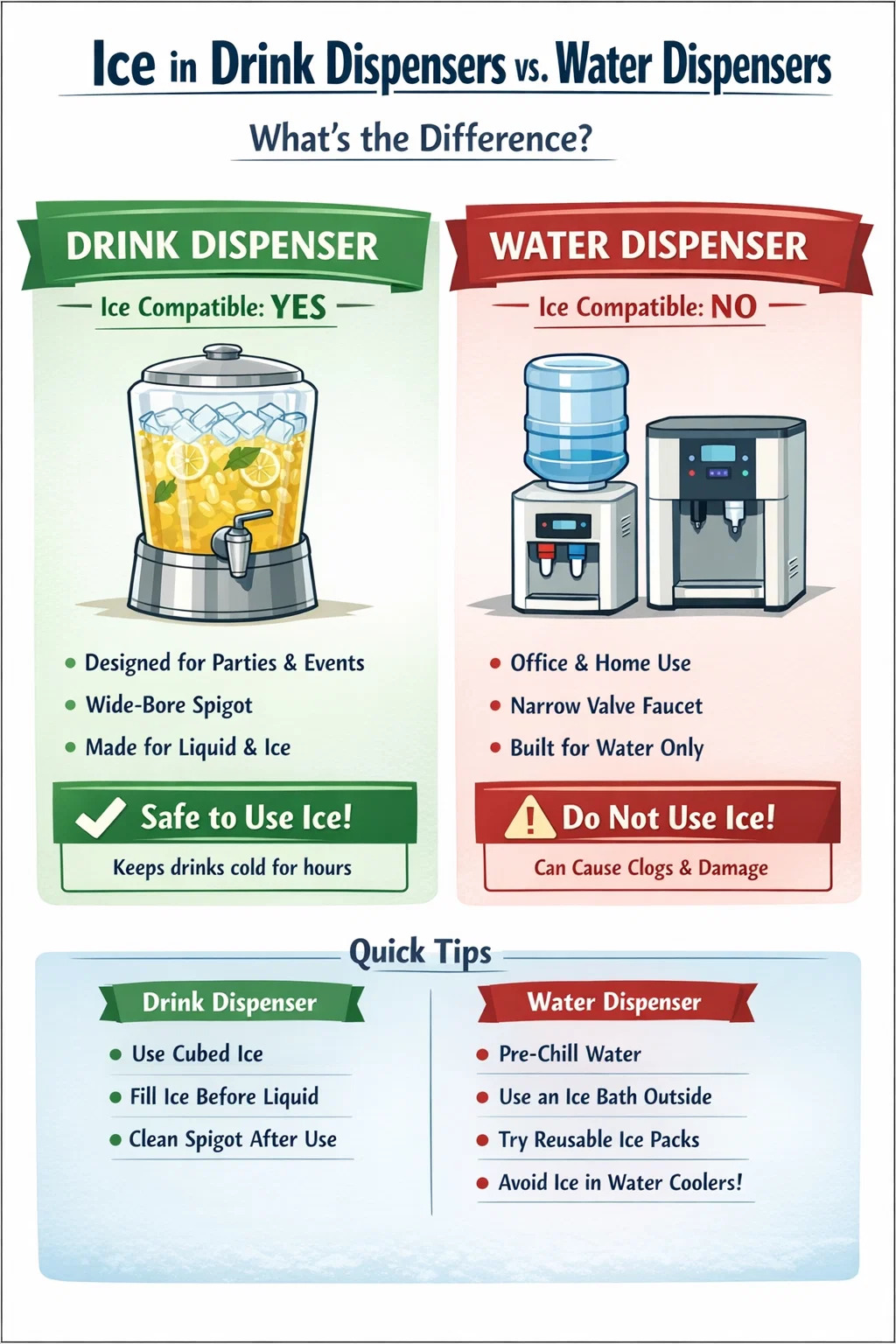
These two categories of equipment are often confused but serve very different functions. A drink dispenser — also called a beverage dispenser or juice dispenser — is typically a large container with a spigot, used at buffets, parties, or catering events to serve cold lemonade, iced tea, juice, or infused water. These are designed to hold both liquid and ice simultaneously.
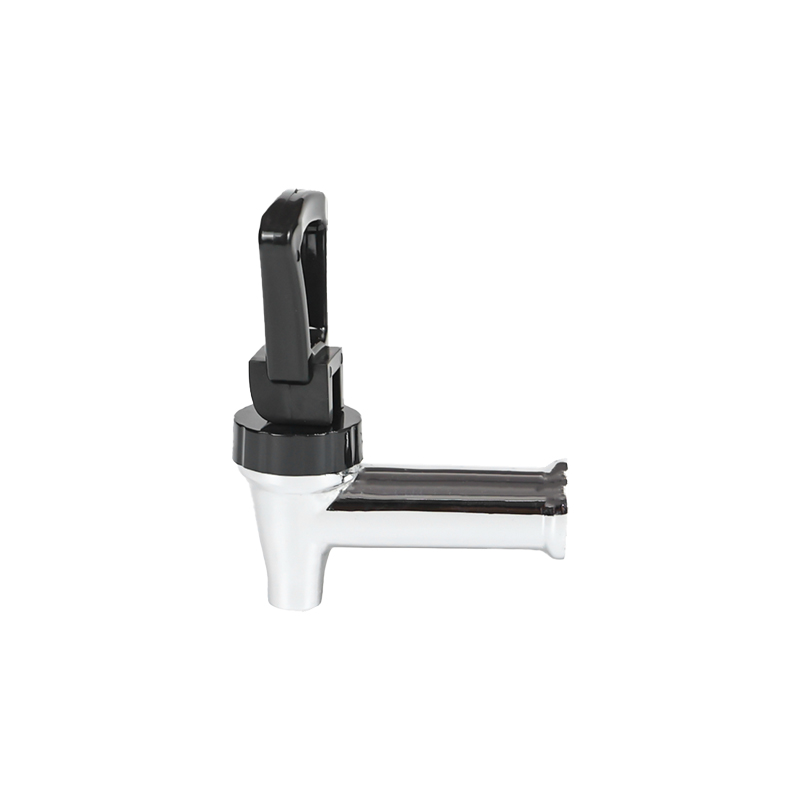
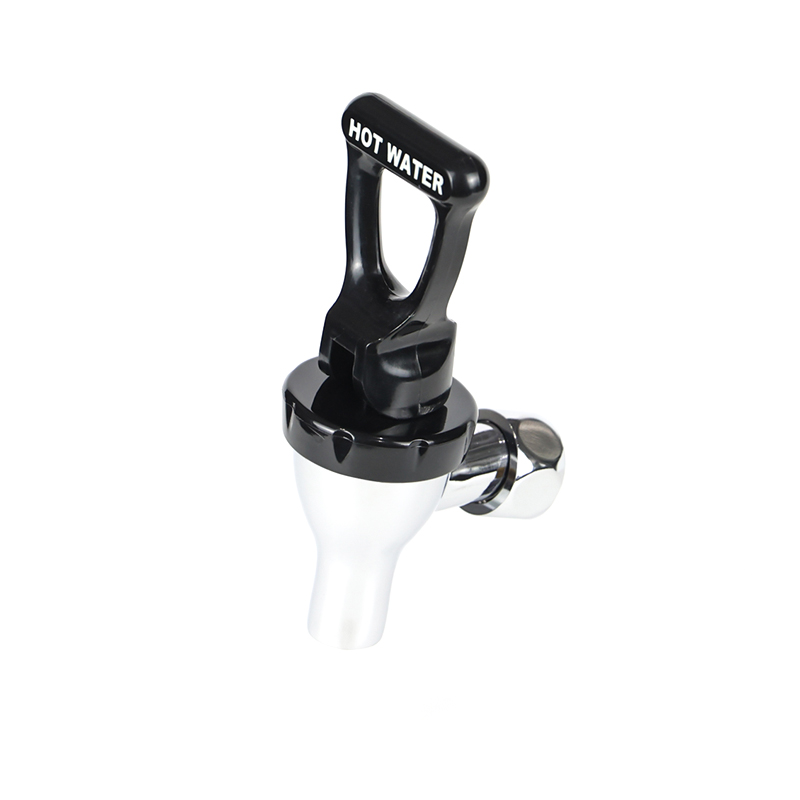
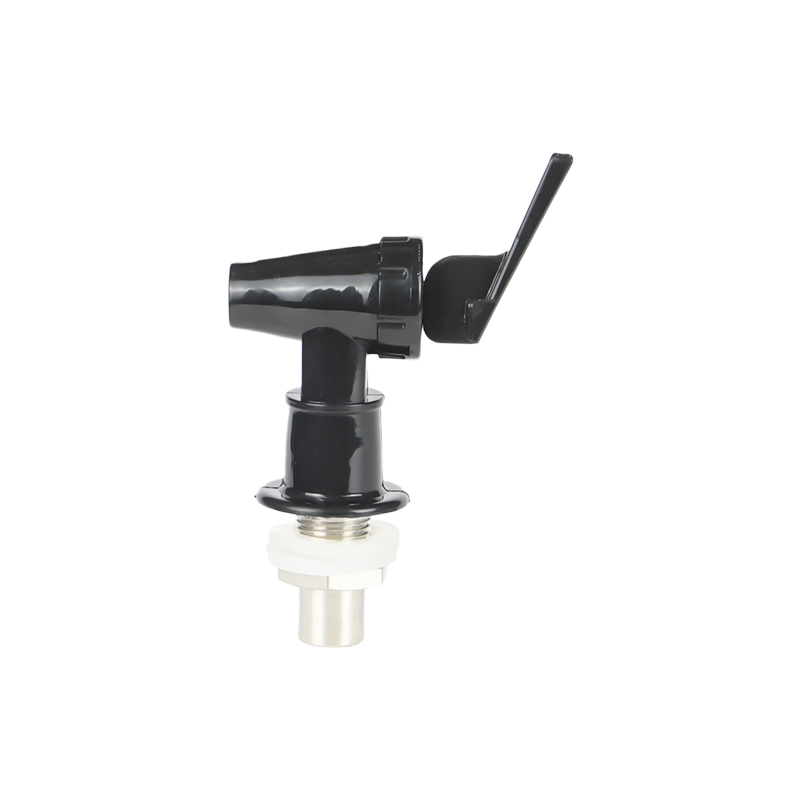
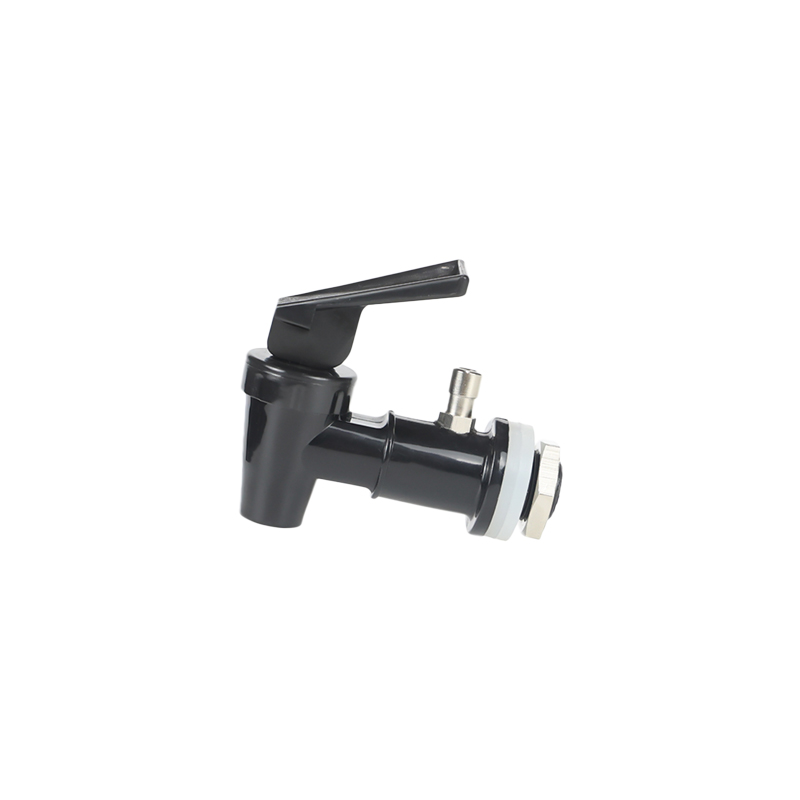
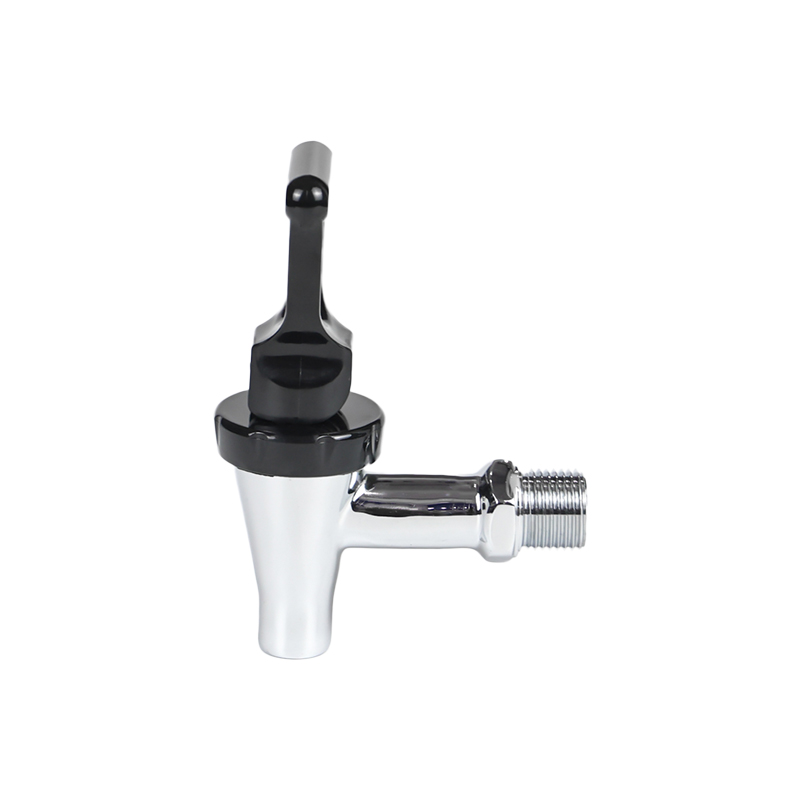
A water dispenser, on the other hand, is a standalone appliance — either bottle-fed or plumbed-in — that heats or cools water using internal mechanical systems. Its water dispenser faucet is a spring-loaded or push-button valve engineered for liquid water only. The internal tubing, reservoir seals, and water dispenser faucet components are not built to accommodate ice chunks that can block flow, expand as they melt unevenly, or cause pressure fluctuations inside the tank.
Understanding this distinction immediately answers most questions about whether ice belongs in your specific machine.
When Putting Ice in a Drink Dispenser Is Perfectly Fine
For purpose-built beverage dispensers — the kind sold at restaurant supply stores, party rental shops, and kitchenware retailers — ice is not just acceptable, it's expected. These units are typically made from BPA-free plastic, acrylic, or stainless steel with wide-mouth openings and faucet spigots designed to pass liquid around or through partially melted ice without clogging.
Dispenser Types Where Ice Works Well
- Large-format acrylic beverage dispensers (1 to 5 gallon capacity) used at events
- Stainless steel insulated drink dispensers used in commercial food service
- Glass drink dispensers with wide spigots designed for fruit-infused water with chunks of fruit or ice
- Double-walled insulated containers marketed specifically for iced beverages
For these dispensers, ice serves a practical purpose: it keeps the beverage cold for extended serving periods without requiring electricity. A well-insulated 3-gallon drink dispenser packed with ice and cold lemonade can maintain a temperature below 40°F for 4 to 6 hours in a typical indoor environment, making it ideal for buffets, weddings, and outdoor events.
The Right Way to Add Ice to a Beverage Dispenser
Even in dispensers built for ice, technique matters. Here's how to do it correctly:
- Add ice before the liquid — this prevents thermal shock to the container and allows even distribution.
- Use cubed ice rather than crushed ice when possible. Crushed ice compacts and can temporarily block the spigot during high-flow moments.
- Leave at least 20% of the container's volume empty above the ice-and-liquid line to prevent overflow when ice floats and expands.
- Check that the spigot or water dispenser faucet area is clear of ice accumulation before opening — ice that drifts to the bottom near the faucet exit point can temporarily restrict flow or cause sputtering.
- If using a dispenser outdoors in direct sun, plan to refresh the ice approximately every 2 hours to maintain safe serving temperatures.
Why You Should Not Put Ice in a Standard Water Dispenser
This is where the question gets more important from a practical and equipment-protection standpoint. Water cooler dispensers — the freestanding appliances that use 3- or 5-gallon bottles or connect directly to a water line — are precisely engineered systems. Adding ice to them causes multiple problems.
Ice Can Block or Damage the Water Dispenser Faucet
The water dispenser faucet on a standard water cooler has an internal valve opening of roughly 1/4 to 3/8 inch in diameter. Even small ice fragments that reach the faucet chamber can jam the spring-loaded valve mechanism or prevent the silicone seal from closing properly after use. This results in a continuously dripping water dispenser faucet — a problem that, if not addressed, wastes thousands of liters of water annually and can cause water damage to the surrounding area.
Beyond blocking, ice can cause micro-cracking in plastic faucet components when it contacts warm areas of the dispenser near the heating section, due to rapid thermal differential. Replacement water dispenser faucet parts are inexpensive ($8 to $30), but repeated thermal damage to the surrounding housing can make repairs more involved over time.
Ice Disrupts the Internal Cooling System
Water dispensers that offer cold water use an internal refrigeration coil or thermoelectric cooling system to bring water temperature down to 40°F to 50°F (4°C to 10°C). This system is calibrated for liquid water with a known thermal mass. Adding ice to the reservoir alters the thermal load unpredictably, which can cause the thermostat to cycle on and off erratically, shortening its service life. The compressor in cooled units may also overwork itself trying to compensate for temperature irregularities introduced by melting ice.
Reservoir Overflow and Leaking Risks
Water cooler reservoirs have fixed capacity ratings. Adding ice to an already-filled or near-full reservoir means that as the ice melts, total water volume increases. Overflow can occur inside the unit — reaching electrical components — or can seep from seams and connections throughout the chassis. Even small amounts of water reaching the heating element or circuit board can cause immediate failure or create electrical safety hazards.
Sanitation Concerns
Ice that is scooped from a freezer or an ice bucket and added to a water dispenser reservoir introduces surface bacteria from hands, containers, and the ambient environment. The internal reservoir of a water cooler is not easy to clean after this kind of contamination — it requires complete draining, sanitizing, and reassembly. Research published in food safety journals has documented that improperly handled ice carries contamination risk equivalent to other unprotected food surfaces, with bacteria counts that can reach problematic levels within hours at room temperature during melting.
Comparing Ice Use Across Different Dispenser Formats
| Dispenser Type | Ice Compatible? | Faucet/Spigot Type | Main Risk if Used with Ice |
|---|---|---|---|
| Acrylic event beverage dispenser | Yes | Wide-bore spigot | Crushed ice clogging |
| Glass drink dispenser | Yes (cubed only) | Gravity spigot | Glass thermal shock if ice added to warm glass |
| Stainless steel insulated dispenser | Yes | Wide-bore spigot | Minimal — best option for ice use |
| Bottled water cooler dispenser | No | Narrow valve water dispenser faucet | Faucet blockage, reservoir overflow, electrical damage |
| Point-of-use plumbed-in cooler | No | Narrow valve water dispenser faucet | Filter housing damage, valve seal failure |
| Countertop water dispenser | No | Push-button or lever valve | Internal component damage, dripping faucet |
How Ice Affects the Water Dispenser Faucet Specifically
The water dispenser faucet is the most vulnerable component when ice is introduced to a dispenser that wasn't designed for it — and also the component most likely to be visibly damaged first, giving you an early warning before deeper internal problems develop.
Valve Seat Erosion from Ice Fragments
When small ice chips reach the water dispenser faucet valve seat — the precise mating surface where the rubber or silicone seal closes against the housing — they act as abrasive particles. Each time the faucet is opened and closed with ice fragments present, microscopic scratches accumulate on the valve seat. Over time, these scratches prevent the seal from achieving a complete closure, resulting in a dripping water dispenser faucet that cannot be fixed by tightening alone. At that point, the entire faucet assembly requires replacement.
Thermal Contraction Around the Faucet Housing
Many water dispenser faucets are made from ABS plastic or nylon composites. These materials contract when exposed to sustained cold and expand when returning to room temperature — a process called thermal cycling. A dispenser used normally experiences this cycle gradually. Introducing ice directly adjacent to the faucet housing subjects it to rapid, repeated temperature shifts that accelerate micro-cracking in the plastic, particularly around threaded connection points where stress is already concentrated.
Identifying Faucet Damage Early
Watch for these early indicators that ice exposure has begun affecting your water dispenser faucet:
- A slow, persistent drip between uses that wasn't present before
- Increased resistance or stiffness when pressing the lever or button
- Visible hairline cracks around the faucet connection point
- Water appearing around the base of the faucet rather than from the spout
- Reduced or sputtering flow even when the faucet is fully open
Catching these signs early and replacing the water dispenser faucet promptly — typically a straightforward $10 to $25 repair — prevents the damage from spreading to the internal valve housing or reservoir connections.
Better Alternatives to Ice for Keeping Dispensed Drinks Cold
If your goal is cold drinks without the risks that ice introduces to incompatible dispensers, several practical alternatives achieve the same result without any equipment damage.
Pre-Chill the Liquid Before Filling
Refrigerate your beverage for 12 to 24 hours before filling the dispenser. A liquid that starts at 38°F (3°C) inside a well-insulated dispenser will stay below 50°F for 6 to 8 hours even without added ice — sufficient for most events or service periods. This approach eliminates the dilution problem that ice creates as it melts.
Use a Separate Ice Bath Around the Dispenser
For event setups, place the beverage dispenser in a large container or tub filled with ice. The external ice bath cools the dispenser from the outside without introducing any ice into the internal components or near the water dispenser faucet mechanism. This is the method used by most professional caterers for plastic and acrylic dispensers that don't have built-in insulation.
Use Frozen Fruit or Reusable Ice Cubes
In beverage dispensers that are ice-compatible, frozen fruit — strawberries, citrus slices, cucumber — serves as a natural ice alternative. It adds flavor, looks attractive for events, and melts more slowly than regular ice because of its cell structure. Reusable plastic or silicone ice cubes filled with water or gel and pre-frozen in the refrigerator are another option: they maintain cold temperatures without contributing any melt water to the drink, keeping flavor consistent throughout service.
Choose a Dispenser With Built-In Cooling
For permanent installations — a kitchen, office break room, or restaurant counter — a properly maintained water dispenser with a refrigeration system delivers consistently cold water at 40°F to 50°F without any ice required. The water dispenser faucet delivers cold water on demand, and no manual ice management is necessary. This is the lowest-effort, highest-reliability solution for cold water access throughout the day.
Choosing the Right Drink Dispenser for Ice-Cold Beverage Service
If you're purchasing a dispenser specifically for serving iced drinks at events, parties, or in a commercial setting, these are the specifications to look for.
Wide-Bore Spigot Design
A faucet or spigot with an interior opening of at least 3/4 inch to 1 inch in diameter handles partially melted ice fragments without clogging. Many budget dispensers have spigots barely wider than a pencil, which will jam within minutes of contact with ice. Check the product specifications or user reviews specifically for mentions of spigot clogging before purchasing.
Double-Wall Insulation
A double-walled vacuum-insulated stainless steel dispenser keeps ice from melting for significantly longer than single-wall plastic or acrylic options. High-quality insulated dispensers — typically priced between $80 and $200 — can maintain ice for 12 to 24 hours in moderate ambient temperatures, compared to 2 to 4 hours for basic acrylic models.
Removable Ice Guard or Strainer
Some beverage dispensers include a built-in ice guard — a perforated barrier near the bottom of the tank that keeps ice away from the spigot opening while allowing liquid to flow freely. This is a particularly useful feature for fruit-infused water dispensers where you may have fruit chunks, herbs, or ice floating in the container. If the dispenser you're evaluating lacks this, you can purchase a universal spigot strainer insert separately for around $5 to $10.
Food-Grade Material Certification
When ice melts inside a dispenser, it makes prolonged contact with all interior surfaces. Ensure any dispenser intended for ice use carries FDA food-grade material certification or equivalent regional food safety certification. BPA-free acrylic and 304 stainless steel are the most commonly certified options. Avoid dispensers with cheap plastic interiors that don't list material specifications, as cold water can leach compounds from some lower-grade plastics even when they appear intact.
Maintenance Considerations When Using Ice in a Drink Dispenser
Dispensers used with ice require more frequent cleaning than those used with liquid alone. As ice melts and liquid sits in the reservoir, the combination of residual sugar (in juice or flavored drinks), ambient temperature fluctuations, and moisture creates conditions favorable for bacterial growth and biofilm formation — particularly around the spigot and water dispenser faucet area.
Cleaning After Each Use
After each event or use period, drain the dispenser completely and rinse it with hot water. Follow with a wash using dish soap and a long-handled brush, paying particular attention to the interior bottom where ice sediment and diluted liquid accumulate. Rinse thoroughly and allow to air dry inverted if possible. Do not store the dispenser with standing liquid inside.
Sanitizing the Faucet and Spigot
The faucet or water dispenser faucet on a beverage dispenser should be disassembled and soaked in a food-safe sanitizing solution — typically 1 tablespoon of unscented bleach per gallon of water — for at least 2 minutes after each use involving ice or sugary beverages. Mineral deposits from melted ice can also build up around the spigot seal over time; a white vinegar soak for 15 to 20 minutes dissolves these deposits effectively.
Inspect the Spigot Seal Regularly
Even in ice-compatible dispensers, the spigot seal or gasket wears over time, particularly when exposed to repeated temperature cycling from ice contact. Inspect the seal every 3 to 6 months for compression deformation, cracking, or discoloration. Replacement seals are available for most dispenser brands for under $5 and take minutes to swap. A well-maintained spigot prevents the slow drip that would otherwise leave a puddle on your table throughout an event.
Quick Reference: Ice in a Drink Dispenser — Key Facts
| Question | Answer |
|---|---|
| Can ice go in a party/event drink dispenser? | Yes, if it has a wide-bore spigot and food-grade materials |
| Can ice go in a water cooler dispenser? | No — damages the water dispenser faucet, reservoir, and internal systems |
| Best ice type for drink dispensers? | Cubed ice — less likely to clog spigot than crushed ice |
| How long does ice keep drinks cold in a basic acrylic dispenser? | 2–4 hours at room temperature |
| How long in a double-wall insulated dispenser? | 12–24 hours |
| How often should the faucet/spigot be sanitized? | After every use involving ice or sugary beverages |
| What's the alternative to ice in a non-compatible dispenser? | Pre-chill liquid, use external ice bath, or use a chilled dispenser appliance |