
 English
 русский
 日本語
日本語 عربى
عربى Español
Content
- 1 What a Water Cooler Dispenser Is and How the Water Moves
- 2 The Main Formats, Side by Side
- 3 The Parts That Decide Long-Term Performance
- 4 Safety Features Worth Paying For
- 5 A Practical Buying Checklist
- 6 Installation and First-Use Basics
- 7 A Cleaning Schedule You Will Actually Keep
- 8 Common Problems and the Fixes That Work
- 9 Frequently Asked Questions
- 9.1 How often should I clean a water cooler dispenser?
- 9.2 My tap drips. Can I replace it myself?
- 9.3 Are USB rechargeable bottle pumps reliable for daily use?
- 9.4 Compressor or thermoelectric cooling - which should I choose?
- 9.5 Why does hot water sputter when a new bottle goes on?
- 9.6 What do I need to know before ordering replacement taps or tubing?
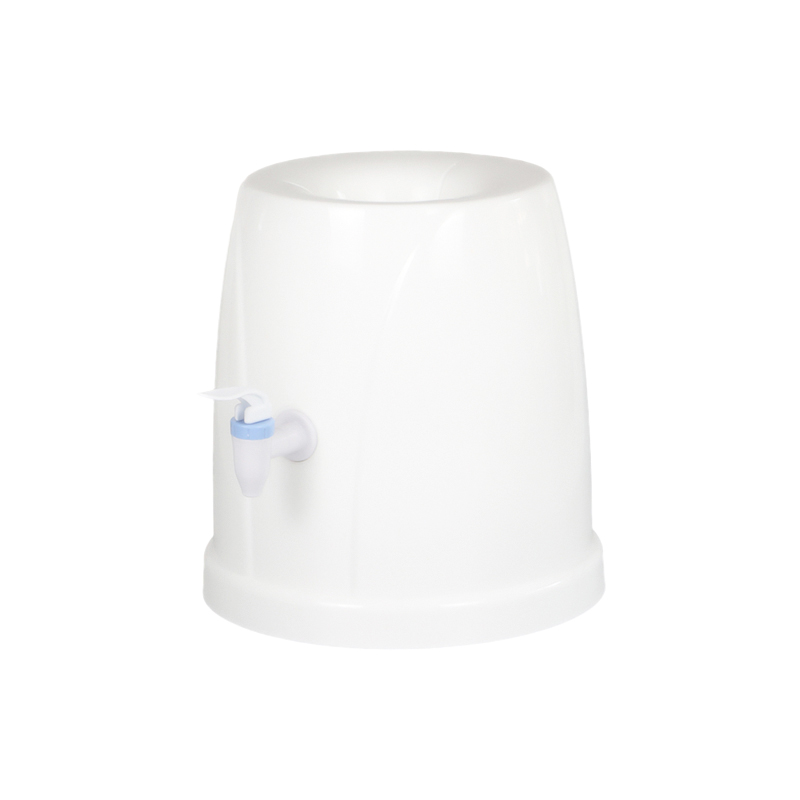
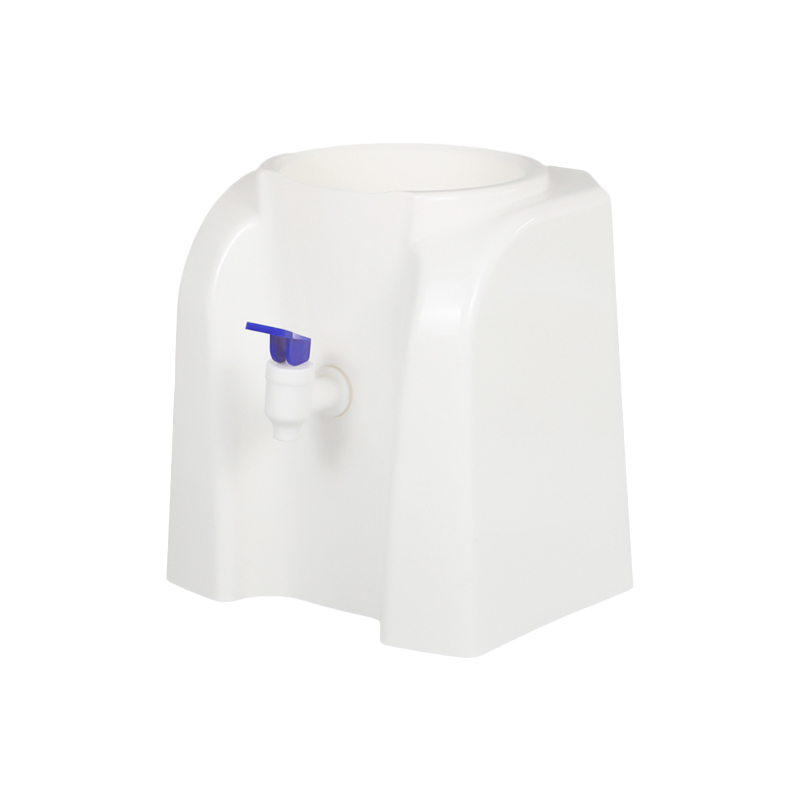
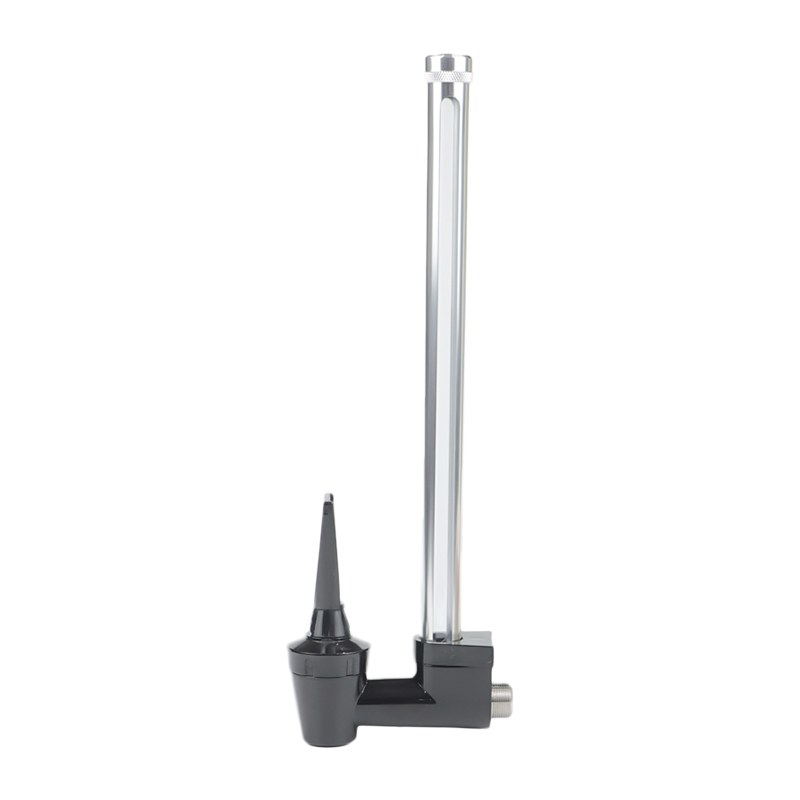
A water cooler dispenser is a simple machine once you look past the shell: water enters from a bottle or a plumbed line, waits in one or two small tanks, is held at temperature by a heating element and a cooling unit, and leaves through a tap when you press a cup against it. That simplicity is good news for buyers, because almost everything you feel in daily use - flow speed, water taste, drip-free pours, protection from hot-water splashes - comes down to a handful of inexpensive parts: the taps, the silicone tubing, the seals, and on some setups the pump that sits on the bottle.
Queuing behind five colleagues at a machine that pours cold water at a trickle teaches the same lesson as a tap that drips onto the floor overnight: the real specification sheet is not the sticker on the front. It is flow rate, tank recovery time, and the quality of every part the water actually touches.
The short answer, before the detail: buy a water cooler dispenser the way a technician would. Match the format to your daily cup count, insist on a hot side with scald protection if children or the public are anywhere near it, and favor machines built around standard, replaceable parts so a worn tap or a tired tube becomes a five-minute fix instead of a reason to retire the whole unit. We say this as a manufacturer that has molded dispenser taps, tubes, pumps and cup holders for the trade for over two decades - the machines that last are the ones whose parts can be serviced.
What a Water Cooler Dispenser Is and How the Water Moves
On a typical bottled unit, a 19-liter (5-gallon) bottle sits collar-down on a probe. Water drains by gravity into a sealed cold tank, and in hot-and-cold models a second tank receives water for heating. Press the cold tap and gravity feeds water from the cold tank; press the hot tap and the machine pushes heated water out, usually through a child lock on the hot side.
Inside the hot and cold tanks
The numbers are small and worth knowing. Hot tanks in most units hold roughly half a liter to a liter and a half, kept between 85 and 95 degrees Celsius by a heating element in the 500 to 1000 watt range. Cold tanks hold one to three liters. A compressor-cooled machine chills about 2 to 5 liters per hour down to roughly 5 to 10 degrees Celsius, while a lighter thermoelectric model manages closer to 1 liter per hour. These ranges come straight from the specification sheets used across the category, and they explain why a compressor unit feels effortless in a busy office while a thermoelectric one can fall behind during a summer afternoon rush.
Three ways water reaches the tap
- Gravity, on top-load bottled machines - the bottle sits above the tanks and water simply falls.
- A small electric lift pump, on bottom-load machines - the bottle hides in the base cabinet and the pump raises water to the tanks.
- Household water pressure, on plumbed-in point-of-use machines - a line and a filter feed the tanks directly, so there is no bottle at all.
A fourth format has grown fast in rented spaces: a 19-liter bottle left standing on the floor or a stand, with a rechargeable pump pressed onto its neck. It turns any corner into a hydration point without plumbing or lifting, which is why canteens, clinics and small offices order pumps alongside their dispensers rather than instead of them.
The Main Formats, Side by Side
The table below compresses the buying decision into one view. Read the last column first - in our experience that is where most regret hides.
| Format | Water source | Best suited to | The trade-off to weigh |
|---|---|---|---|
| Top-load bottled | 19-liter bottle seated on top | Homes and small offices | A full bottle weighs about 19 kg, so every changeover is a lift |
| Bottom-load bottled | Same bottle, stored in the base cabinet | Reception areas and anyone avoiding lifting | The lift pump is one more part, and it needs power |
| Countertop | 3 to 5 gallon bottles, or a direct line | Kitchenettes, clinic desks, hotel rooms | Small tanks mean frequent refills |
| Plumbed-in point of use | Water line through a filter | Busy offices, gyms, workshops | Needs a nearby line and a filter routine |
| Bottle plus electric pump | 19-liter bottle with a rechargeable pump on top | Rented offices, canteens, outdoor corners | The battery needs periodic USB charging |
Two numbers settle most choices: how many cups per day, and who carries the bottle. A household of three drinks perhaps 4 to 6 liters a day, which any format covers with ease. A 20-person office can empty a 19-liter bottle in a single day during hot weeks, and at that volume the plumbed-in option, or a second bottle position, starts to pay for itself.
The Parts That Decide Long-Term Performance
Taps and spigots: the part every hand touches
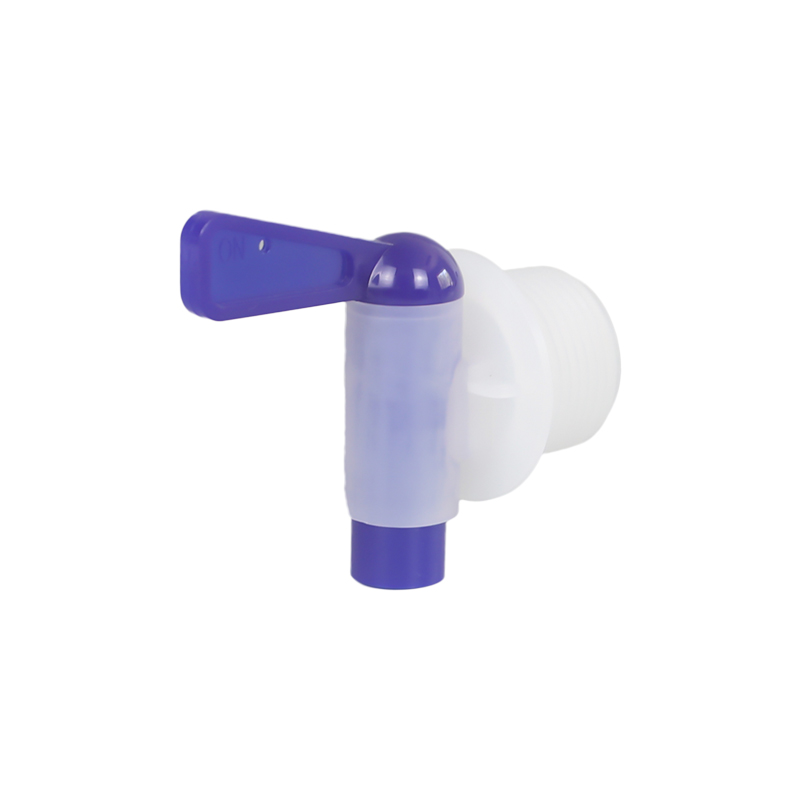
The tap is the most touched component on the machine and the first to wear. Plastic taps dominate because they are light, inexpensive and moldable into push-button, lever and child-lock designs; stainless and plated metal taps earn their place on hot-water duty and in high-traffic areas because they shrug off scale and rough handling. Failure almost always starts at the silicone seal inside, which is why a dripping tap is replaced rather than repaired. When you order a spare, match two things: the thread that screws into the body, and the water temperature it will serve, because hot-side taps use heat-resistant bodies and seals. Families such as our a83 hot-and-cold tap series exist precisely because dispenser bodies vary - one family, many shank lengths and button styles, so a service department finds an exact match instead of forcing a near miss.
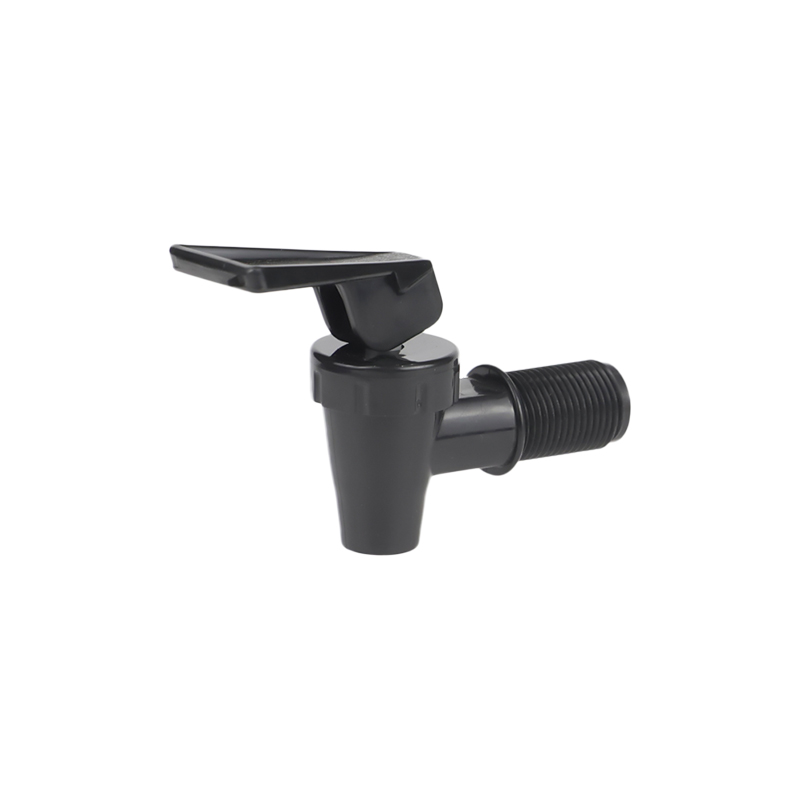 A8-3 Hot and Cold Water Dispenser TapA plastic replacement tap for water dispensers and bottles, supplied with body, handle and O-rings. Since dripping taps are replaced rather than repaired, matching shank thread and temperature rating matters when choosing a spare.View Product →
Silicone tubing: the quiet workhorse
Between tank, tap and pump runs food-grade silicone tube. It stays flexible from roughly minus 40 up to 200 degrees Celsius - a range silicone suppliers quote routinely - so it handles boiling-side duty without softening permanently and chilled water without turning brittle, and it does not pass on taste the way some plastics can. Replacement is judgment-based: if a tube turns cloudy, takes a permanent kink, or any odor appears at the tap, retire it. A meter of tube costs little and swaps out in ten minutes on most machines.
Pumps: from hand pressure to one-touch electric
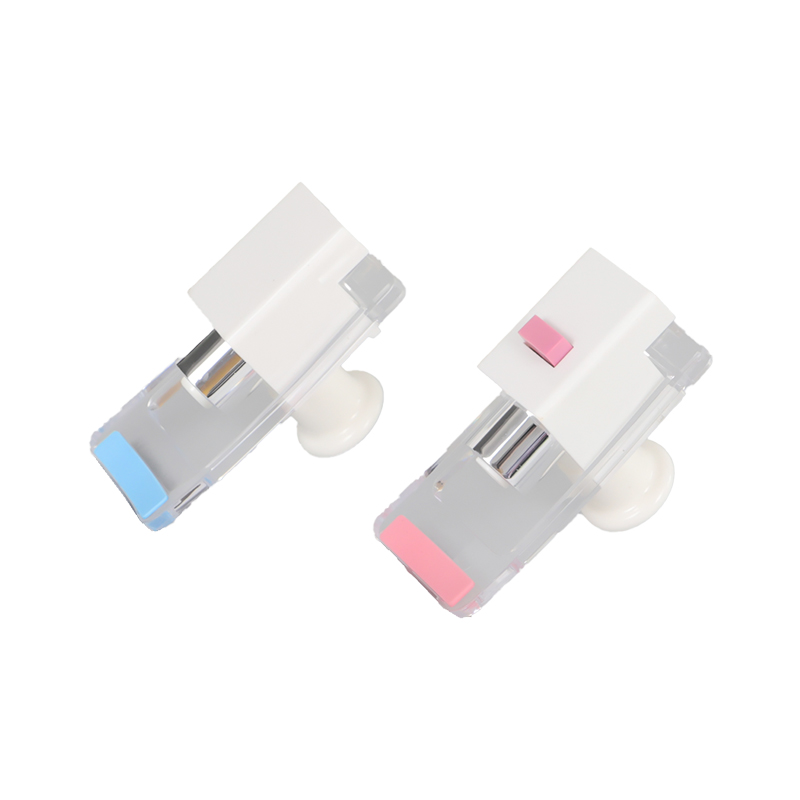
Manual press pumps cost little and never need charging; a few strokes fill a 500-milliliter cup. USB rechargeable pumps have taken over offices because nobody wants to pump by hand: press the button once and a typical unit delivers around a liter in well under a minute while drawing from its internal battery, and one charge usually covers several 19-liter bottles. The buying check is the same as for taps - confirm the pump head grips your bottle neck, most commonly the 55-millimeter crown used on standard 5-gallon bottles, and confirm the contact parts are food-grade material.
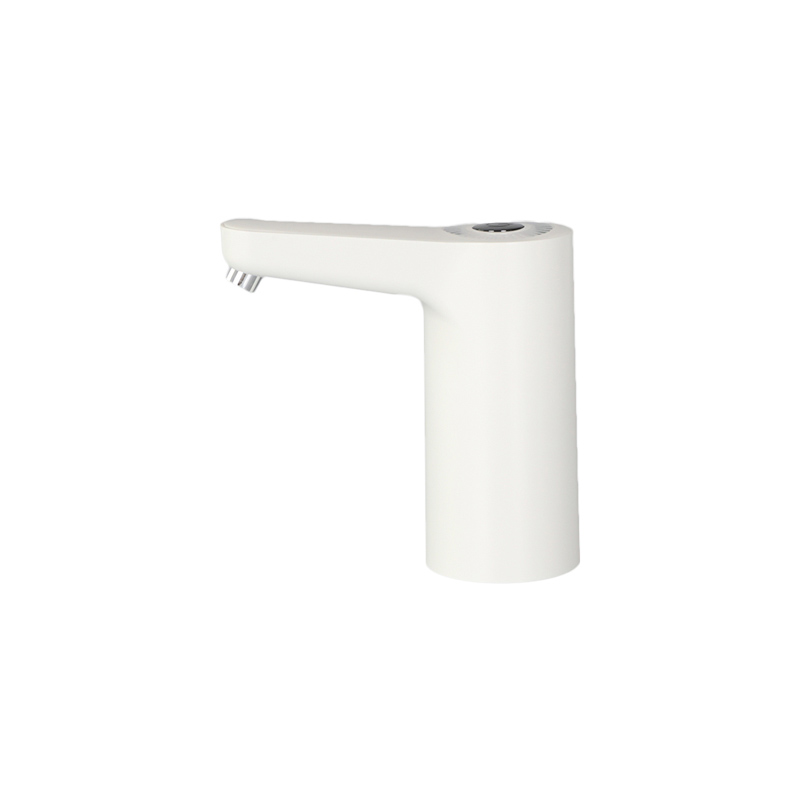 USB Rechargeable Water Pump for 5 Gallon BottlesA PC+ABS electric pump that dispenses water from standard 5-gallon bottles at the press of a button. Before buying, confirm the pump head fits your bottle neck and that contact parts are food-grade.View Product →
The supporting cast: brackets, handles and cup holders
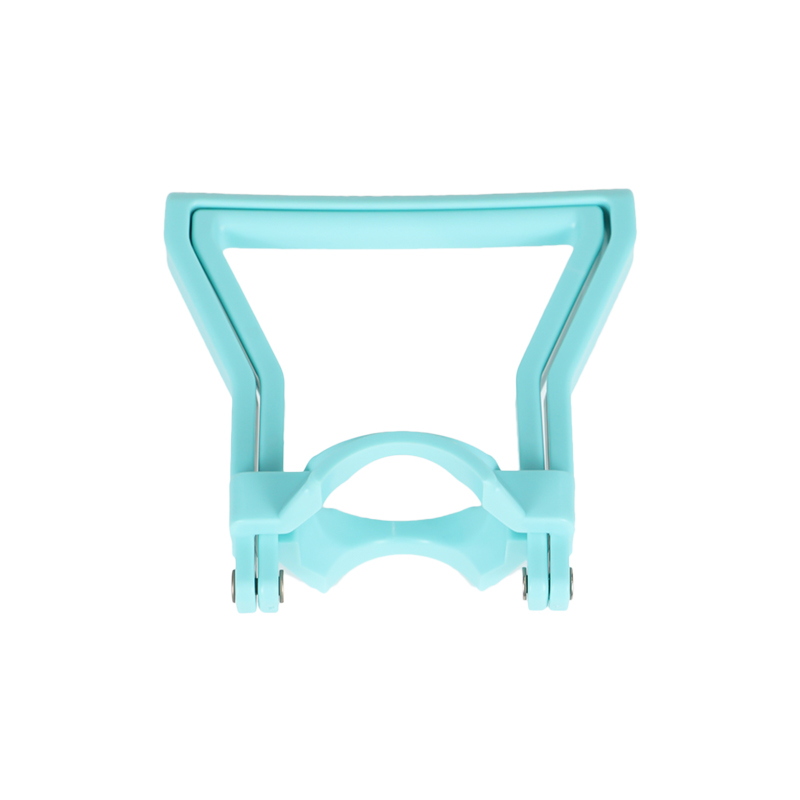
Brackets, lifter handles, cup holders and drip trays look like afterthoughts until you lift a full bottle - 19 liters of water weighs about 19 kilograms, more than most people should swing onto a counter one-handed. A screw-on lifter handle turns that into a safe two-hand task, a floor bracket holds the bottle steady beside the machine, a pull-type cup holder keeps disposable cups clean and one-per-grab, and a deep drip tray catches what the tap throws. These parts cost the least of anything on the machine and get touched every single day.
Safety Features Worth Paying For
Hot tanks sit between 85 and 95 degrees Celsius. At those temperatures, skin contact scalds in roughly a second. That single fact should shape the hot side of any dispenser that children, elderly relatives or visitors can reach.
Three designs answer it. Anti-scald taps lengthen and insulate the outlet path so the nozzle stays touchable and the stream moderates before it leaves. Child-lock hot taps demand two coordinated actions - press and turn, or slide a lock tab while pressing - before hot water flows. Recessed spigots keep knuckles out of the stream entirely. None of these change the water temperature; they change the geometry between a curious hand and a hot stream, which is exactly the right place to intervene.
We cover the mechanics in detail in our guide to anti-scald water cooler spigots, and the summary is simple: if the dispenser stands where children can reach it, the anti-scald tap and the child lock are not optional extras - they are the features that justify the machine.
 M10 Plastic Drinking Water TapA lightweight plastic tap for dispensers and bottles, available in multiple colors with fast installation. Relevant here because tap choice, including child-safe designs, is a key feature when children can reach the machine.View Product →
A Practical Buying Checklist
Work down this list in order; the first three items eliminate most bad purchases.
- Count the users. Under 8 cups a day, almost any format works; over 20, prioritize compressor cooling or a plumbed-in unit.
- Decide the hot-water question honestly. If tea, coffee or formula bottles are in play, a hot-and-cold model with a child lock earns its premium.
- Check the tap situation before you buy: what thread it uses, whether spares are stocked, and whether a hot-side anti-scald version exists for the model.
- Prefer standard, replaceable internals - taps, silicone tube, drip tray - over sealed one-piece designs.
- Measure the space. Bottom-load and plumbed-in machines are deeper than they look, and compressor units want about 10 centimeters of clearance behind for airflow.
- If lifting is a concern, plan it now: a bottom-load cabinet, a bottle lifter handle, or a floor-stand pump setup.
- Ask the supplier what they keep as spares. A supplier who molds taps, tubes and pumps in-house - as we do from our Ningbo-area factory, where the company profile records 49 export containers of dispenser parts as far back as 2002 - is a supplier whose machines you will still be running in ten years.
Installation and First-Use Basics
Installation is where small mistakes create later problems, so treat the first thirty minutes as part of the purchase.
- Site the machine level and close to an outlet, leaving roughly 10 centimeters behind compressor models for airflow.
- Rinse the drip tray and wipe the tanks with clean water before assembly; packaging dust is real.
- Fit the bottle or connect the line, then draw and discard the first two full tanks of water through both taps to flush the lines.
- On the hot side, open the tap until water runs before switching the heating on; heating a dry tank is the classic first-day failure.
- Let a compressor unit stand upright for a few hours after transport before powering it, so the refrigerant settles.
Replacing a worn part follows the same logic: unplug, remove the bottle, drain through the taps, then swap. Taps usually unscrew from the body or release from a push-fit collar; tubing is clipped at both ends. Our step-by-step guide to installing a dispenser faucet walks through the tap swap with the tools you need - normally nothing more than a pair of pliers and a cloth.
A Cleaning Schedule You Will Actually Keep
Dispenser problems are rarely dramatic; they are slow, hygienic and preventable. The rhythm below follows the interval guidance most bottled-cooler manufacturers print in their manuals, tightened for busy locations.
| Task | Suggested interval | What it prevents |
|---|---|---|
| Wash the drip tray and wipe both tap nozzles | Weekly | Slimy film and a stale taste at the outlet |
| Sanitize tanks, probe and water lines | Every 3 months at home; every 6 to 8 weeks in busy offices | Biofilm settling inside the cold tank |
| Descale the hot tank where supply water is hard | Every 3 to 6 months | Scale on the element, slower heating, higher energy use |
| Inspect silicone tubing | Every 6 months | Clouding, permanent kinks and off-tastes |
| Check tap seals and the shank fitting | Every 6 months | The slow overnight drip that stains floors |
In hard water areas, treat the hot-tank descale row as non-negotiable: scale on the element slows heating long before anything visibly fails. A citric-acid solution or a household descaler, run through the hot tank and rinsed twice, restores it. And whenever a bottle is changed, wipe the bottle neck and the probe collar with clean paper - that collar sits above the water line and collects whatever the last storage space left behind.
Common Problems and the Fixes That Work
Most dispenser complaints fall into six buckets, and each has a fix that costs minutes rather than a new machine.
- A tap drips overnight. The internal seal has worn or the shank fitting has relaxed. Replace the tap - the U.S. Geological Survey's drip calculator estimates that a once-per-second drip wastes more than 11,000 liters (about 3,000 gallons) a year, which is a lot of floor damage for one seal.
- Cold flow slows to a trickle. Look for a kinked silicone tube first, then scale or sediment at the tank screen. Straighten or swap the tube before blaming the cooler.
- Water tastes of plastic. Flush the machine twice; if the taste persists, the tap or tube material is the suspect, and both are inexpensive to upgrade.
- Hot water arrives lukewarm. Scale on the heating element or a tired thermostat. Descale first; replace the thermostat if the symptom survives.
- Cooling falls behind in summer. Thermoelectric models genuinely struggle in hot rooms, and compressor models need their rear clearance back. Restore airflow before assuming failure.
- The hot tap spits after a bottle change. Air entered the line. It clears after a few pours, and opening the hot tap before switching the heat on prevents it entirely.
Frequently Asked Questions
How often should I clean a water cooler dispenser?
Wipe the nozzles and empty the drip tray weekly. Sanitize the tanks and lines every three months in a home, and every six to eight weeks in a busy office. If the machine sits unused for weeks, flush a full tank through both taps before drinking.
My tap drips. Can I replace it myself?
Yes, on nearly every bottled unit. Unplug the machine, lift the bottle off, drain the tanks through the old tap, then unscrew or unclip it and fit the match. Bring the old tap when ordering - shank thread and body shape vary, and the old part plus its length usually identifies the replacement within minutes.
Are USB rechargeable bottle pumps reliable for daily use?
For filling cups at a normal pace, yes - they deliver roughly a liter per minute and one charge covers several 19-liter bottles. Keep the pump head clean, keep the battery unit out of the water stream, and confirm the bottle neck size before ordering. Offices that adopt them rarely go back to lifting.
Compressor or thermoelectric cooling - which should I choose?
Choose compressor cooling for anything above light household use: it chills 2 to 5 liters an hour and keeps pace all day. Thermoelectric suits a desk or bedroom where demand is a few cups at a time and quietness matters more than speed.
Why does hot water sputter when a new bottle goes on?
Air entered the hot tank while it sat empty. Open the hot tap until the stream runs steady before switching the heating back on, and the spitting stops. It is a configuration issue, not a fault.
What do I need to know before ordering replacement taps or tubing?
Three details: the water temperature the part will serve, because hot-side parts use heat-resistant bodies; the thread or fitting that attaches it; and the tube's inner and outer diameter if you are replacing a line. Suppliers who mold these parts in-house, as we do, can usually match a sample or a photo within a day.