
 English
 русский
 日本語
日本語 عربى
عربى Español
Content
- 1 What the Color of Dirty Faucet Water Tells You
- 2 Seven Common Causes of Dirty Water from a Faucet
- 3 How to Diagnose Dirty Water from a Faucet in Five Steps
- 4 Is It Safe to Drink or Bathe In Discolored Water?
- 5 How to Fix Dirty Water Coming Out of the Faucet
- 6 Practical Prevention for Recurring Dirty Water
- 7 When a Water Dispenser Is the Source of Dirty Water
- 8 When to Call a Professional
- 9 Frequently Asked Questions About Dirty Faucet Water
- 9.1 Why does dirty water come out of my faucet after fire hydrant flushing?
- 9.2 Is brown water from the faucet safe to drink?
- 9.3 Why is only one faucet in the house producing dirty water?
- 9.4 How long does dirty water last after a water main break?
- 9.5 Can a water filter fix dirty faucet water?
- 9.6 Why is my faucet water cloudy white instead of brown?
Most dirty faucet water is temporary and not dangerous. It usually means rust, sediment, or trapped air has been stirred up inside a municipal water main, inside the pipes of your home, or inside an appliance such as a water heater or countertop dispenser. A smaller number of cases point to a corroded fixture, a worn rubber seal, or built-up scale in the faucet itself.
The fastest way to find the source is to fill a clear glass, note the color, and then run the cold water for three minutes. If the water clears, the disturbance is probably upstream in the supply line. If it stays dirty or gets darker, the problem is inside your plumbing or the faucet. For a water dispenser or a 5-gallon bottle system, the checklist is different because you are inspecting a small, sealed loop with its own faucet, pump, and tubing.
What the Color of Dirty Faucet Water Tells You
Dirty water from a faucet is not a single problem. The color gives the first clue about what is moving through the pipe.
| Color | Most Common Cause | What It Means | Immediate Action |
|---|---|---|---|
| Brown or rust | Oxidized iron from steel or iron pipes | Particles have been stirred up; usually temporary | Flush cold water for 3-5 minutes |
| Yellow or orange | Rust, often from a water heater | Sediment has settled in the tank | Flush the water heater |
| Black | Manganese or worn rubber seals | Mineral deposits or degraded parts | Remove the aerator and inspect the faucet |
| White or gray | Scale or tiny air bubbles | Calcium carbonate or aerated water | Let the glass sit and watch the bubbles |
| Milky or cloudy | Dissolved air under pressure | Clears from the bottom upward | Wait 30 seconds, then recheck |
| Green or blue | Copper corrosion | Acidic water is attacking pipes | Contact a plumbing professional |
Seven Common Causes of Dirty Water from a Faucet
Once you know the color, the next step is to identify the event that allowed the dirt to enter the water. These seven causes cover the vast majority of dirty-water events in homes and workplaces.
Municipal water main breaks and utility repairs
When a utility repairs a water main, flow changes direction and pressure fluctuates. Rust and mineral sediment that normally rest on the bottom of the pipe get suspended in the water. That is why several homes in one area often see brown water at the same time. The color usually clears after the utility flushes the repaired line.
Fire hydrant flushing
Utilities deliberately flush fire hydrants to remove sediment from aging mains. The high flow pulls iron and manganese from the pipe walls, and homes near the test hydrant can see discolored water for 30 minutes to a few hours. The water is usually brown or yellow and clears quickly.
Corroded galvanized steel or iron pipes inside the home
Galvanized pipes corrode from the inside over decades. The interior walls develop scale and rust deposits. Water that sits in the pipe overnight picks up loose particles, so the first glass of water in the morning is brown and then clears after a few seconds. If this happens every day, the internal pipe surface has reached the end of its service life.
Sediment in the water heater
Hard water forms calcium carbonate sediment inside a water heater tank. Rust can also settle at the bottom. If only the hot water side is dirty while the cold water runs clear, the water heater is almost always the cause. A simple flush of the tank usually solves it.
Well water changes after heavy rainfall or drought
For private well users, heavy rain can push surface material into an old well casing, while low water levels can allow silt to reach the pump. The water may look brown or sandy. A well system should also be checked if the pressure tank or filter collects particles.
Faucet aerator and internal seals
The faucet itself can be the final place where dirt collects. An aerator traps grit from the supply over time, and that grit can look like black or brown flakes when the tap is opened. Worn rubber washers and O-rings inside a faucet can also break down and create black particles. This is more common on older water dispenser faucets and rarely affects all taps in the house.
Stagnant water in little-used pipes
A guest bathroom or spare kitchen can have water sitting in the pipes for weeks. That stagnant water picks up dissolved iron and sometimes a sour odor. The fix is simple: run the tap for several minutes until fresh water arrives from the main line.
How to Diagnose Dirty Water from a Faucet in Five Steps
Work through these steps in order. The point is to separate a city supply problem from a home plumbing problem or a fixture problem.
- Run the cold water for three minutes. If the color changes from brown to clear, the cause is loose sediment in the service line or main. If it remains dirty, suspect the internal pipe or the faucet itself.
- Test the hot water separately. Brown hot water plus clear cold water means the water heater needs to be flushed.
- Open the faucets at different points in the house. If one faucet is dirty but the others are clear, clean the aerator or inspect the valve.
- Check for utility work nearby. Look for main repairs, hydrant flushing, or construction notices on the water utility website or local alerts page.
- If the dirty water comes from a water dispenser or bottle-top fixture, check the device instead of the whole house plumbing. Inspect the faucet body, pump tube, and bottle adapter for black flecks or a slimy inner film.
Is It Safe to Drink or Bathe In Discolored Water?
Rust-colored water is not necessarily toxic, but it is not pleasant. Iron and manganese cause metallic taste, bitter flavor, and staining. The more practical risk during a main break is a loss of pressure, which can allow outside material to enter the pipe. That is why utilities ask customers to run the water before using it.
For household use, wait until the water is clear before filling a glass or cooking with it. Bathing in brown water may stain laundry and leave a film on skin, but it rarely causes a health problem. If the water stays discolored for more than a day, do not rely on it for drinking until the utility or a plumber confirms the cause.
Milky or cloudy water is usually harmless. The cloud comes from dissolved air that forms tiny bubbles when cold water warms in a glass. If the glass clears from the bottom upward, that is air, not sediment.
Green or blue water is a separate case. It indicates copper corrosion, which usually happens when water is acidic. Do not use green or blue water for drinking or cooking until a plumbing professional has checked the pipes.
How to Fix Dirty Water Coming Out of the Faucet
Choose the fix that matches the diagnosis. Do not start replacing fixtures before you have flushed the lines and cleaned the aerator.
Flush the lines
Open every cold-water faucet, starting with the one closest to the water meter or well tank. Let them run for 3-5 minutes. If the water clears, the issue was loose sediment stirred up by utility work or a recent pressure change.
Clean the aerator
Unscrew the aerator from the spout and rinse it under a strong stream of water. In areas with hard water, soak it in white vinegar for 20-30 minutes if scale is present. Reinstall it and run the tap to see whether the particles return.
Flush the water heater
If only the hot water is brown, turn off the power or gas supply to the water heater, connect a hose to the drain valve, and drain the tank until the water runs clear. This is a job most homeowners can do once a year to prevent sediment buildup.
Replace a corroded faucet or valve
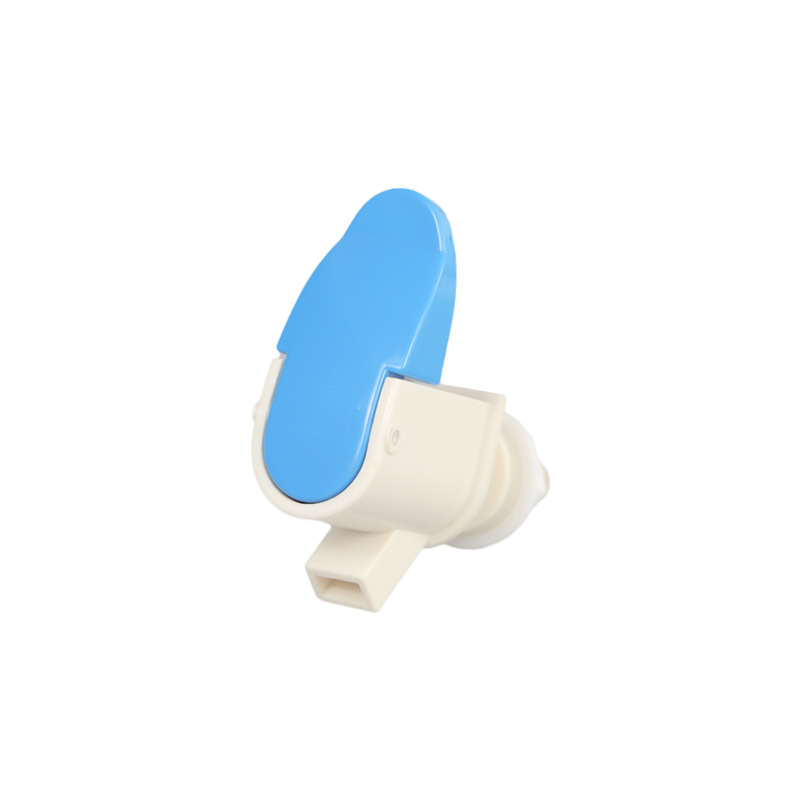
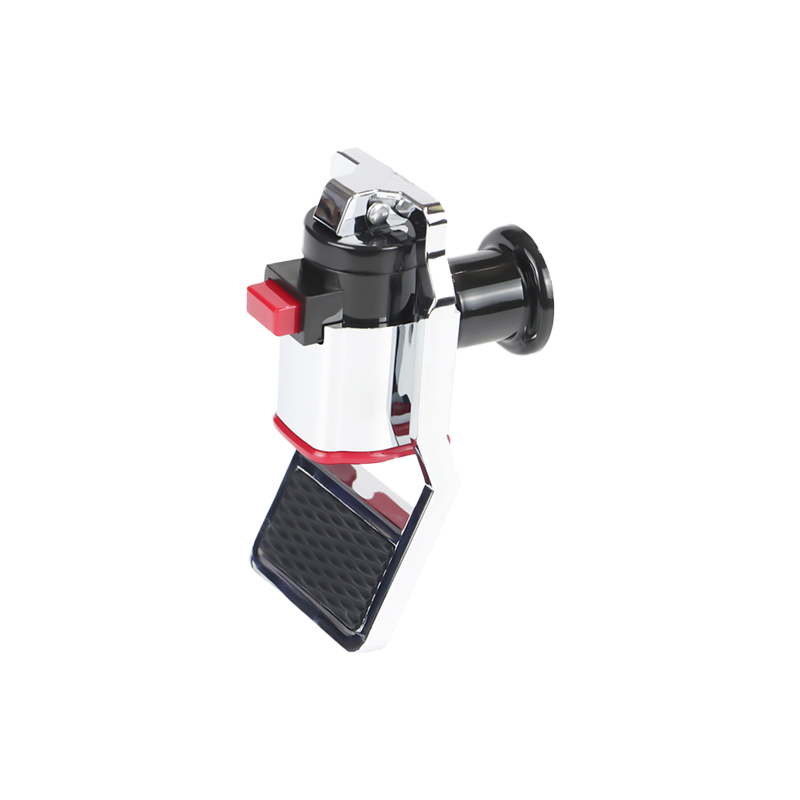
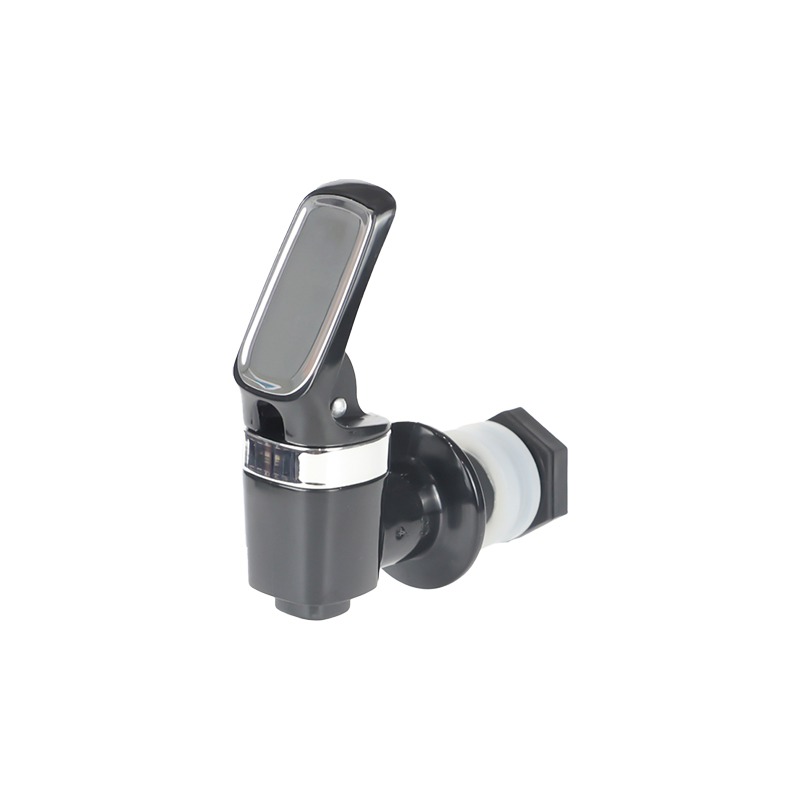
After you have confirmed that the faucet itself is producing dirt, do not keep repairing it. Internal rust and worn seals will keep coming back. A replacement hot and cold water dispenser faucet removes the damaged valve and restores clean water flow.
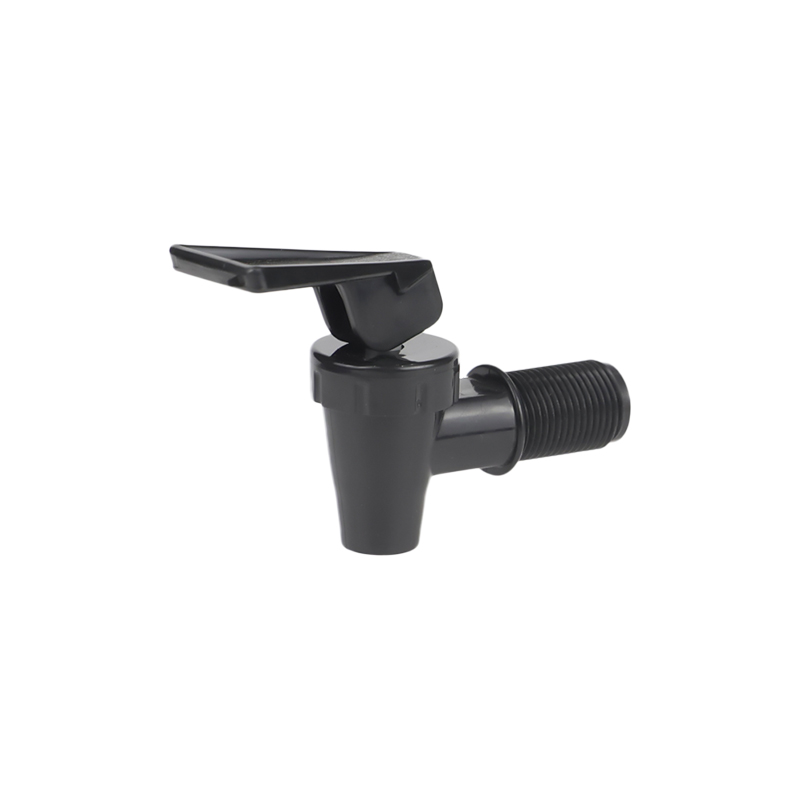 Custom Wholesale Water dispenser hot cold water tap-a8-3 Suppliers, CompanyBoda Electrical Appliances Co.,Ltd is famous China Water dispenser hot cold water tap-a8-3 suppliers, we custom and wholesale worldwide. ...View Product →
Practical Prevention for Recurring Dirty Water
Prevention is mostly maintenance. Once the system is clean, the goal is to keep sediment from building up again.
- Flush the cold-water lines after utility repairs, hydrant flushing, or construction work near the street.
- Drain the water heater once a year to remove scale and rust.
- Clean faucet aerators every 3-6 months, especially in hard-water areas.
- For dispensers and bottle-based systems, replace the flexible hose if it turns yellow, feels tacky, or develops black specks. A food-grade silicone hose
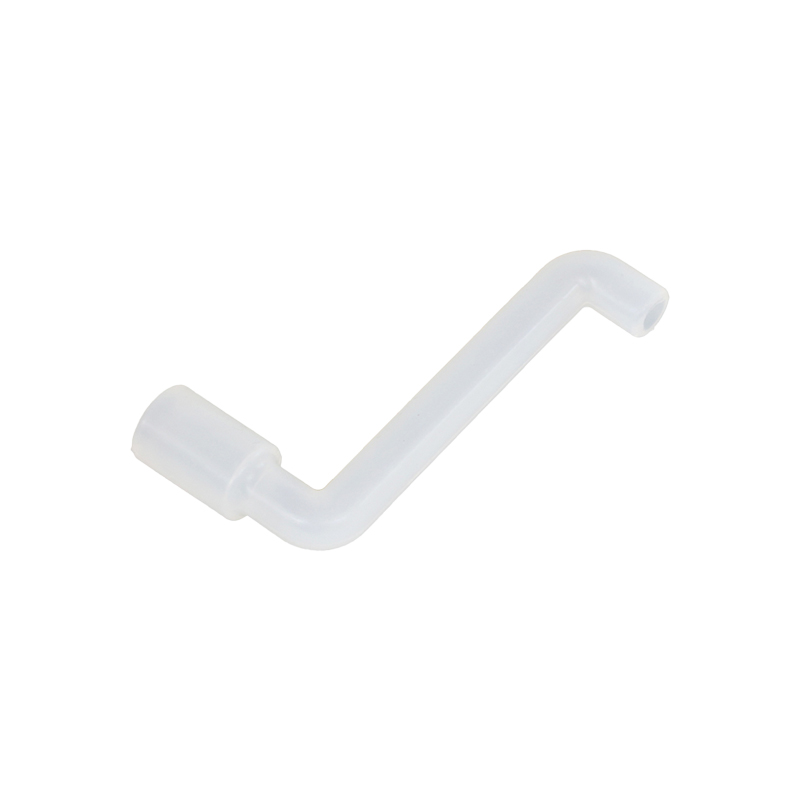 Custom Wholesale Food Grade hose Suppliers, CompanyBoda Electrical Appliances Co.,Ltd is famous China Food Grade hose suppliers, we custom and wholesale worldwide. Used for homebrew andho...View Product → will not shed plasticizer particles the way generic rubber tubing can.
 - Follow basic faucet maintenance precautions to catch worn seals before they break into tiny black flakes.
When a Water Dispenser Is the Source of Dirty Water
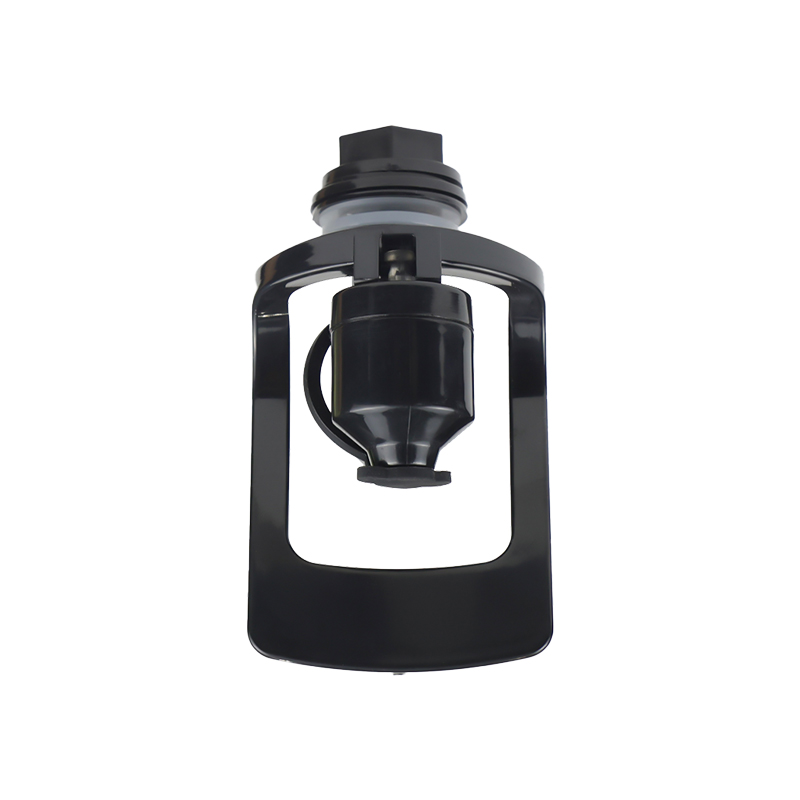
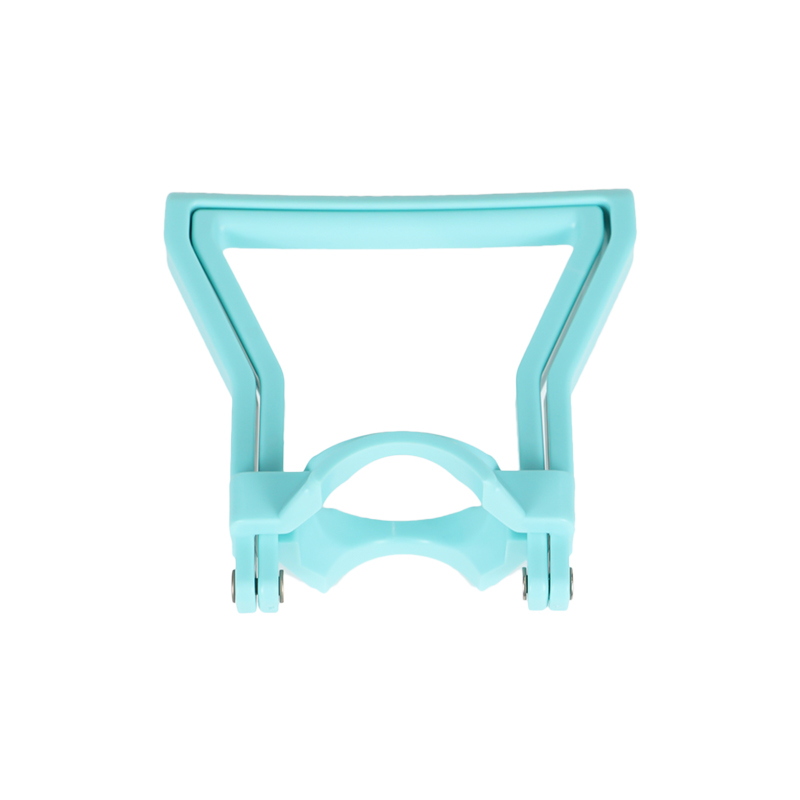
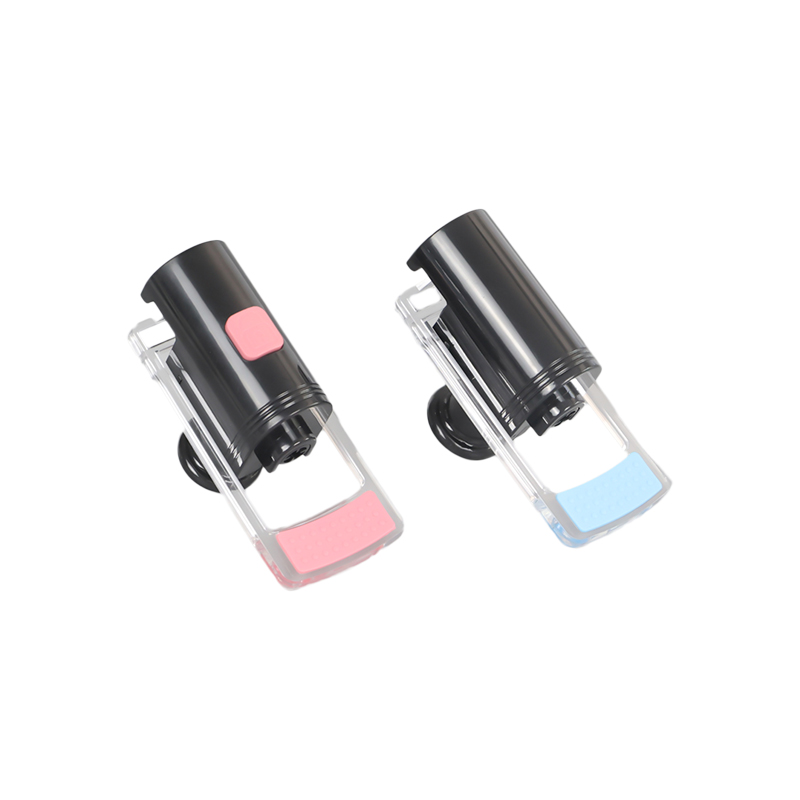
If the dirty water comes from a bottle-top tap or a countertop dispenser, the municipal supply is rarely the cause. The problem stays inside the small device. Check the parts shown in the water dispenser parts catalogue so you can identify the exact component that needs attention.
Check the faucet body
The faucet spout can collect mineral scale, especially on models that handle hot and cold water. If you see rusty streaks or black flecks inside the spout, the internal valve or O-ring has degraded. A replacement faucet is often cheaper and faster than rebuilding the original one.
Check the pump and tubing
The pump tube and silicone connector can grow a thin layer of biofilm if the pump is left idle for weeks. If the tube looks cloudy or feels slippery, clean it with warm water and a soft brush. Replace the tube if the cloudiness does not go away.
Use a clean bottle and pump during emergency tap issues
When the tap water is dirty because of a main break or prolonged flushing, a sealed 5-gallon bottle is a practical stopgap. A USB rechargeable bottle pump lets you draw water from the bottle without lifting or tipping it, which keeps the neck and the water clean.
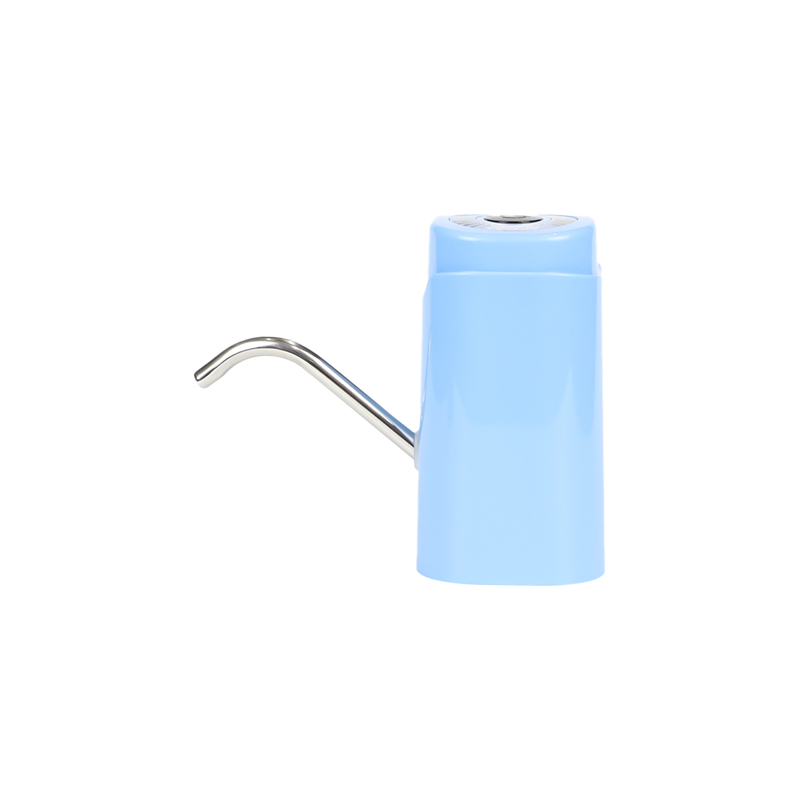 Custom Wholesale 19 liter water usb pump Suppliers, CompanyBoda Electrical Appliances Co.,Ltd is famous China 19 liter water usb pump suppliers, we custom and wholesale worldwide. Fits for 5 gal...View Product →
When to Call a Professional
- The water stays brown or yellow after a full five-minute flush and after the utility says the main is clean.
- You see green or blue water, which usually means copper corrosion.
- The water pressure drops at the same time the water turns dirty.
- Brown water appears with a sewage-like odor or an oily film on the surface.
Frequently Asked Questions About Dirty Faucet Water
Why does dirty water come out of my faucet after fire hydrant flushing?
Hydrant flushing sends a surge of water through the mains, which lifts rust and sediment off the pipe walls. The water should clear within a few hours. Run the cold water for a few minutes before using it.
Is brown water from the faucet safe to drink?
In most cases, brown water is not chemically dangerous, but it is not worth drinking while it is full of sediment. Wait until the water runs clear. If discoloration lasts for more than a day, contact your water utility.
Why is only one faucet in the house producing dirty water?
A single dirty faucet points to a local problem: a clogged aerator, a worn valve seat, or a short section of corroded pipe serving that fixture. Clean the aerator first. If black particles continue, replace the faucet cartridge or the faucet itself.
How long does dirty water last after a water main break?
It depends on the size of the break and how long the repair takes. Many discoloration events clear within 1-2 hours after the water is turned back on. Larger breaks near older cast-iron mains can leave water cloudy for up to a day.
Can a water filter fix dirty faucet water?
A sediment filter can remove particles, but it does not fix the source. If the incoming water is full of rust, the filter will clog quickly. Flush the line first, then use the filter as a final polish rather than as the first line of defense.
Why is my faucet water cloudy white instead of brown?
Cloudy white water is usually dissolved air. When water comes out of the pipe it is under pressure; in the glass, the pressure drops and tiny air bubbles form. If the glass clears from the bottom upward within 30 seconds, the water was aerated by flow and not contaminated.