
 English
 русский
 日本語
日本語 عربى
عربى Español
Content
- 1 What Quick Disconnect Fittings Are and How They Seal
- 2 Main Types of Quick Disconnect Fittings Compared
- 3 Material and Seal Choices for Drinking Water Lines
- 4 Where Quick Disconnect Fittings Fit in Water Dispensing Equipment
- 5 How to Size and Select a Quick Disconnect Fitting
- 6 Installation Steps That Prevent Leaks
- 7 Maintenance Habits That Extend Service Life
- 8 Frequently Asked Questions
- 8.1 Are quick disconnect fittings interchangeable between brands?
- 8.2 Can quick disconnect fittings handle hot water from a dispenser?
- 8.3 What size fits the silicone tubing on a bottle pump or dispenser?
- 8.4 Why does my fitting drip after I reconnect it?
- 8.5 Do valved fittings restrict flow much?
- 8.6 How do I release a stuck push-to-connect tube?
Quick disconnect fittings are hand-operated couplings that let you join or release a fluid line in about a second - no wrenches, no thread sealant, no puddle on the floor. The short answer to choosing one well is to lock down three variables first: the tube outside diameter, the body material and the seal compound. Everything else - shut-off valves, release collars, threaded tails - is convenience layered on top of those three decisions. This guide explains how these fittings seal, which types suit drinking water and beverage equipment, how to size them, and the small installation habits that separate a dry joint from a slow drip.
What Quick Disconnect Fittings Are and How They Seal
Every quick disconnect fitting is a two-piece coupling. One half - the socket, or body - stays fixed to the equipment or hose; the other half - the plug, or nipple - sits on the line you attach. Inside the socket, two parts do the real work: an O-ring that seals against the plug face, and on push-to-connect versions a collet, a ring of stainless gripping fingers that clamps the outside of the tube. Push the halves together and the joint closes around the seal. Press the release collar and the joint opens, with no tools involved at any point.
The key difference between fittings is what happens at the moment of separation. Non-valved fittings are simple open passages: they connect in a blink but let the line drain, so expect some spillage. Valved fittings carry a spring-loaded seal instead - single shut-off versions close one side, double shut-off versions close both and cut spillage down to a few drops. For drinking water and beverage lines, double shut-off is usually worth the small extra cost, because a dry changeover protects floors, cabinet electronics and neighboring syrup or juice lines alike.
Day-to-day operation is deliberately uneventful, which is the point. Push the tube or plug in until it stops, tug once to confirm the grip, and press the collar evenly to release. Most manufacturers publish insertion depths in their datasheets; a quarter-inch tube generally seats around 16 mm into the body, and larger sizes seat proportionally deeper.
Main Types of Quick Disconnect Fittings Compared
Not every quick connect is the same animal. The four families below cover nearly everything you will meet in water dispensing, beverage service and light pneumatic work, and each trades convenience against cost in a slightly different way.
| Type | How It Seals | Common Body Materials | Typical Applications |
|---|---|---|---|
| Push-to-connect (collet) | Collet fingers plus an O-ring grip the tube outside diameter | Acetal (POM), polypropylene, PBT, brass | Dispenser internal lines, filtration tubing, light pneumatics |
| Single shut-off coupler | Spring valve closes the socket side | Polypropylene, stainless steel | Bottle pumps, portable dispensers |
| Double shut-off coupler | Valves close both mating halves | Polypropylene, stainless steel | Beverage and syrup lines where drips matter |
| Barb quick connector | Hose grips a ribbed barb, often with a clip | Polypropylene, nylon | Silicone hose runs to taps and pumps |
Trade-offs are easy to remember: collet fittings win on assembly speed and reusability, valved couplers win on dry handling, and barbed connectors win on cost and unrestricted flow. Many machines mix all three on one frame - a collet fitting at the tank, a valved coupler at the service point, and barbs along the fixed hose runs.
Material and Seal Choices for Drinking Water Lines
Body material sets the ceiling on temperature, pressure and service life. Polypropylene and acetal dominate drinking-water quick fittings because they are dimensionally stable, low in friction and largely unaffected by scale buildup, while PBT shows up mostly in pneumatic versions. Stainless steel 304 or 316 bodies are the choice for commercial machines and hot lines. Brass remains very common in compressed-air circuits, but for potable water lines most equipment makers now specify plastic or stainless bodies instead.
Seals deserve as much attention as bodies. EPDM handles hot water comfortably - typical seal datasheets quote roughly minus 40 to 130 degrees Celsius - and silicone goes further still: silicone hose itself is commonly rated from about minus 60 to 200 degrees Celsius in material datasheets. NBR appears in oil-line fittings but is a poor match for hot water. Match the seal to the hottest fluid the line will ever carry, not to the average.
Keep the real service condition in mind: a dispenser hot tap delivers water at roughly 85 to 95 degrees Celsius, so every component in that path - body, seal and hose - needs a rating for the full range. Pair the fittings with tubing specified for drinking-water contact; food-grade silicone tube made for quick fittings keeps the wetted path consistent from tank to tap. For a deeper look at the material, our overview of the six main advantages of silicone tubing covers flexibility, temperature range and cleanliness in one place.
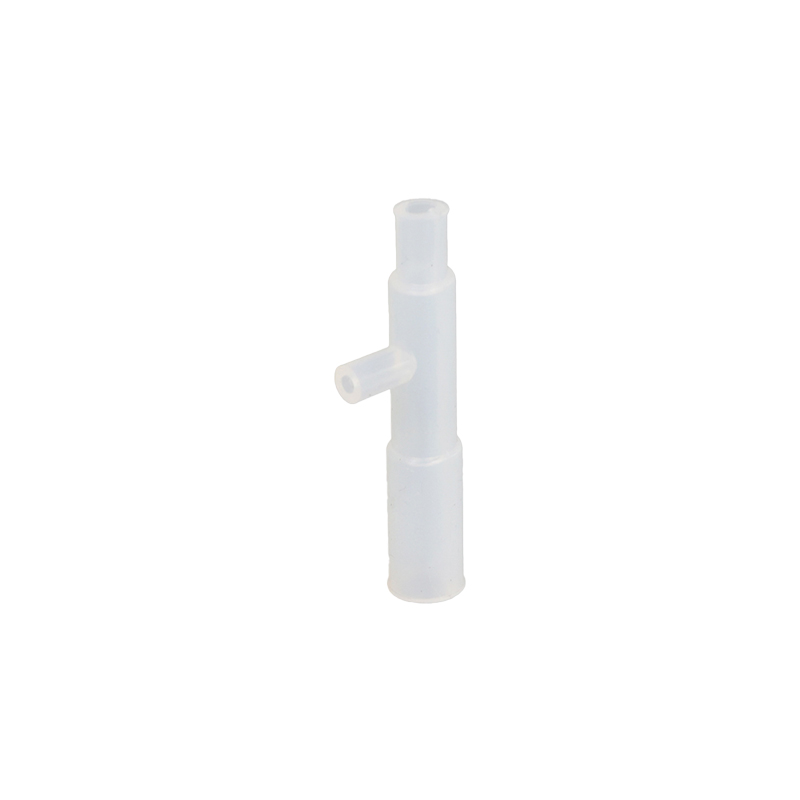 Food-Grade Silicone Tube for Taps and Quick FittingsThis flexible, heat- and cold-resistant food-grade silicone tubing suits drinking water dispensers, pumps and filters. It pairs with quick fittings to keep the wetted path consistent from tank to tap, including hot water up to 85-95°C.View Product →
Where Quick Disconnect Fittings Fit in Water Dispensing Equipment
Inside a bottled-water or point-of-use dispenser, quick fittings connect the tank, the silicone hose runs, the pump and the tap. Assembly workers snap lines together in seconds instead of tightening clamps, and a service technician can replace a tap without draining the whole reservoir. That is also why most dispenser taps are designed with standardized barb or push-fit tails in the first place - the fitting, the tube and the tap are meant to work as one system.
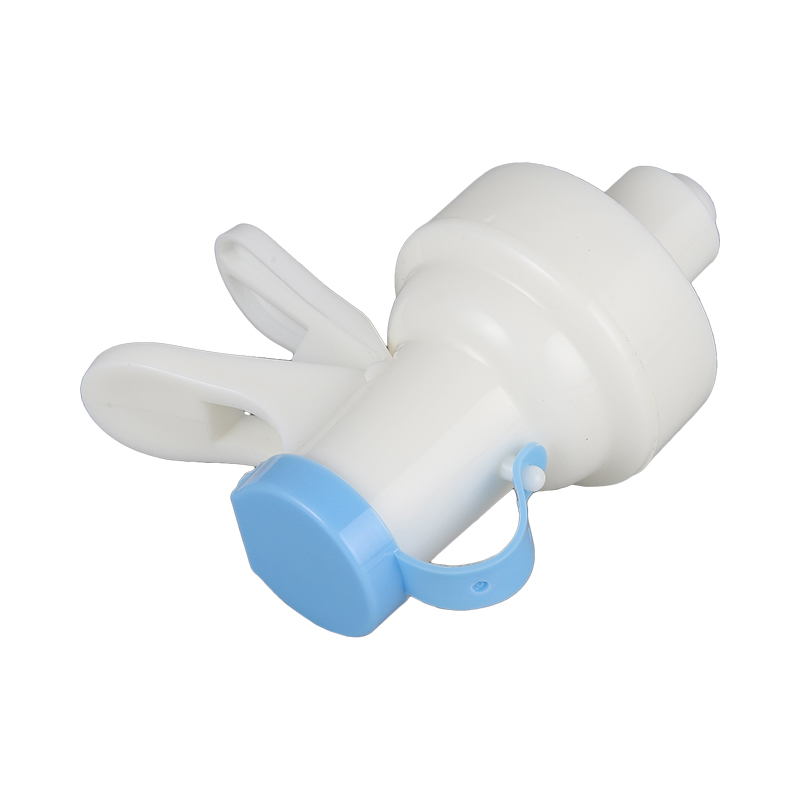
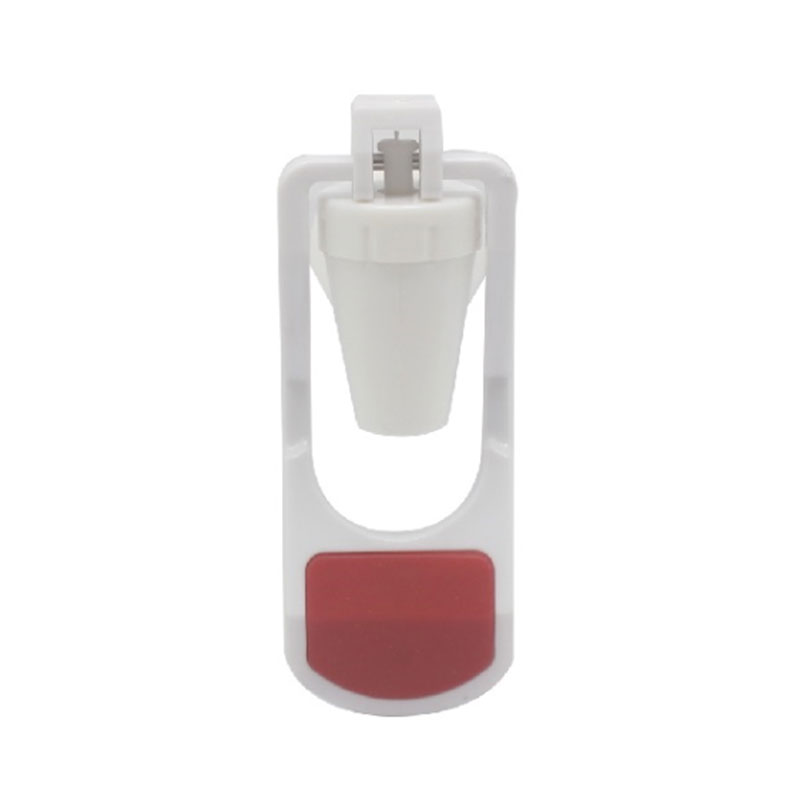 Push-Lever Water Dispenser FaucetA push-lever tap for water dispensers and purifiers, available in customizable colors. It works with quick fittings and silicone hose, and can be replaced during servicing without draining the whole reservoir.View Product →
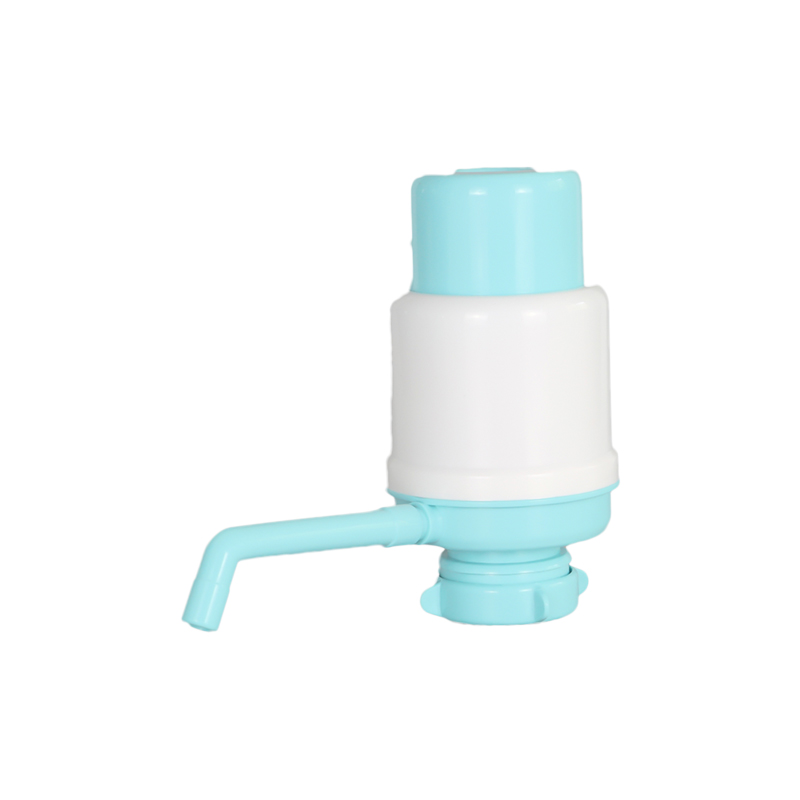
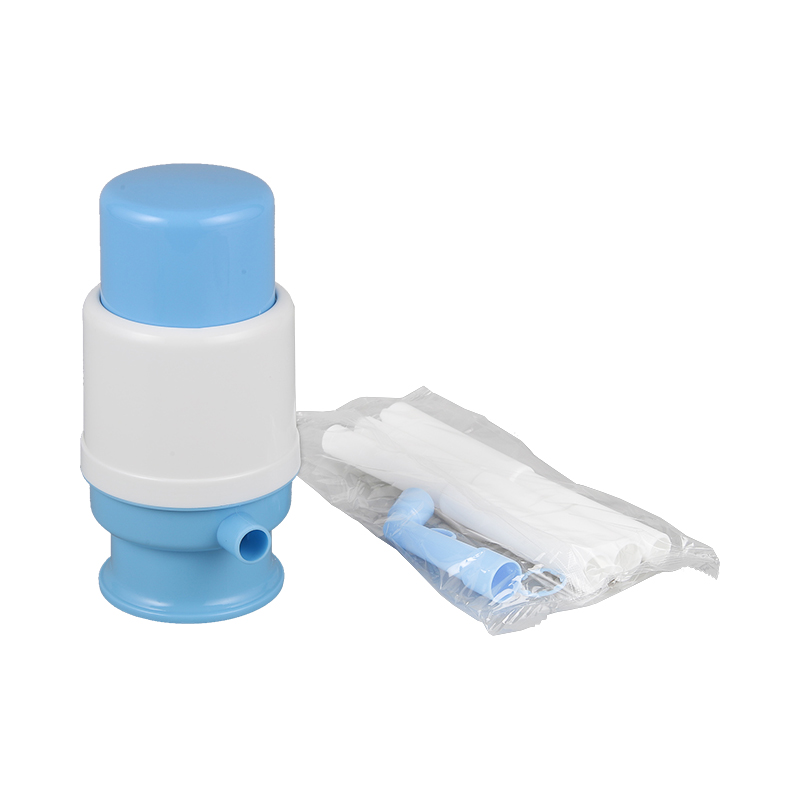
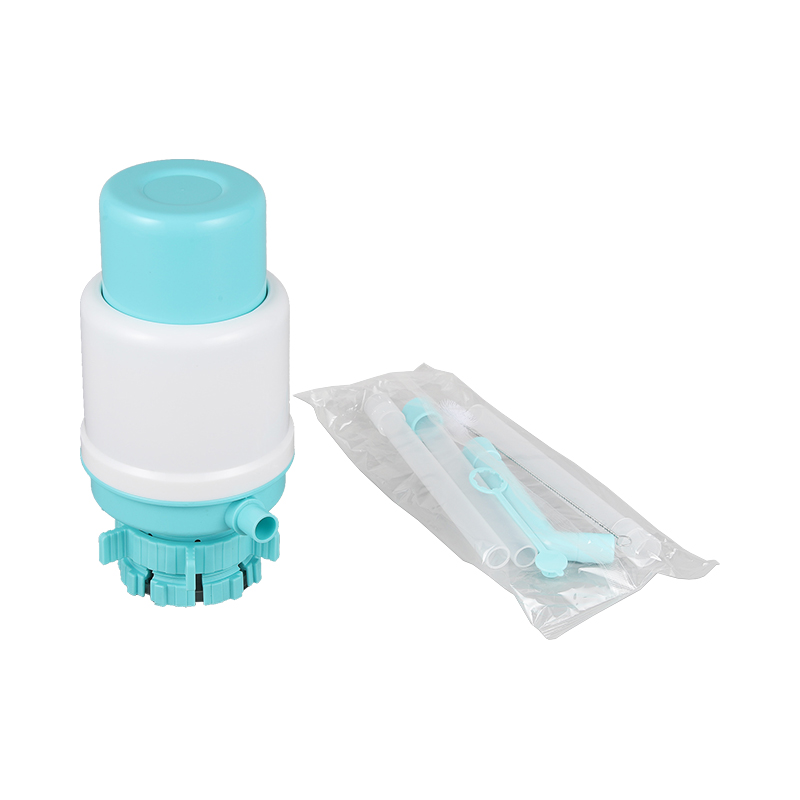
On 19-liter and 5-gallon bottle pumps - including USB rechargeable models - a short silicone tube drops into the bottle and a valved coupler lets you move the pump between bottles or detach it for cleaning without a dribble across the counter. In cafes and juice shops, double shut-off couplers on coffee urns and beverage dispensers make changeovers clean: staff disconnect a tank, carry it away, and snap in the next one while the old line drip-dries over the sink rather than on the service counter.
The same logic extends to mobile carts, rental equipment and any installation that gets opened often. Anywhere a line will be disconnected more than a couple of times in its life, a quick disconnect fitting usually pays for itself on the first service call.
How to Size and Select a Quick Disconnect Fitting
Sizing mistakes cause most leaks and flow complaints, and nearly all of them are avoidable with a caliper and a datasheet. Work through this list in order before you buy.
- Measure the tube outside diameter, not the inside. Push-to-connect fittings grip the OD, and 6 mm (1/4 inch), 8 mm (5/16 inch) and 10 mm (3/8 inch) are the most common water sizes. A fraction of a millimeter off means a joint that either will not seal or will not release.
- Check the pressure rating with headroom. Choose a fitting rated for at least about twice your actual line pressure, and remember that plastic body ratings fall as water temperature climbs - manufacturer datasheets list the derating curve.
- Match the temperature rating across the whole path. Body, seal and tubing all need to survive the hottest cycle; hot-water lines near 90 degrees Celsius rule out standard NBR seals.
- Decide on shut-off behavior. Double shut-off for clean changeovers, single shut-off to save cost where one side can drip, and non-valved where the system is drained first anyway.
- Choose the end connection. Barbed tails suit hose; threaded ports, commonly 1/8 or 1/4 inch, suit tank walls and control panels.
- Mind the flow path. Valved couplers add restriction, so for long runs or thirstier taps, step up one tube size rather than accepting the pressure drop.
- Plan for spares. Standard sizes with replaceable O-rings keep maintenance cheap; oddball fittings turn a two-minute fix into a sourcing project.
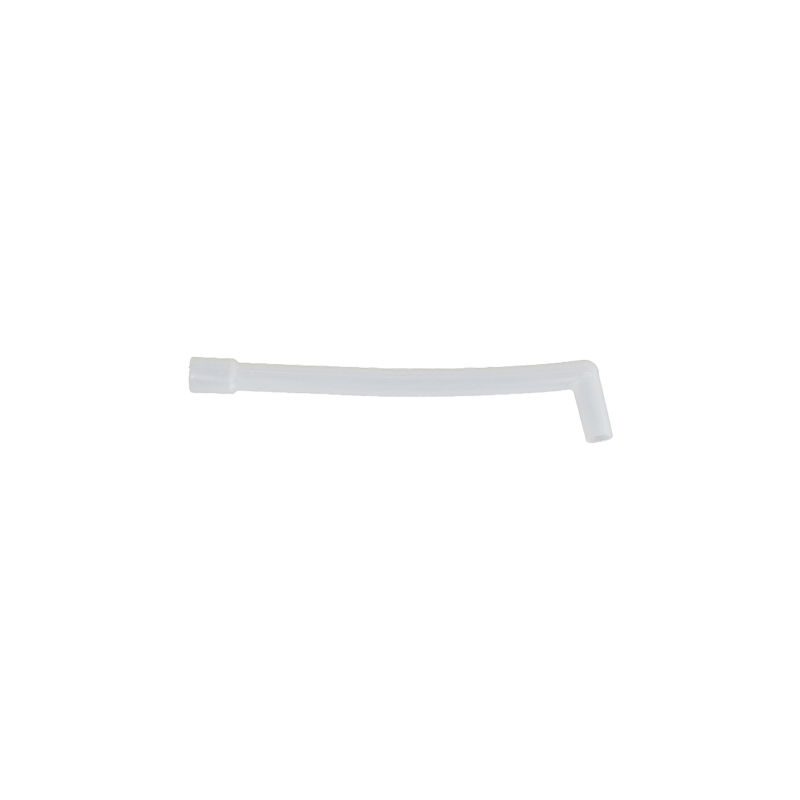 Silicone Tube Sized for Quick FittingsCorrect sizing matters because most push-to-connect leaks come from the tube, not the fitting. This food-grade, temperature-resistant silicone hose suits dispensers, filters and beverage lines, and should be cut cleanly before insertion.View Product →
Installation Steps That Prevent Leaks
Most push-to-connect leaks trace back to the tube, not the fitting. Cut the hose square with a sharp cutter, and keep the first 15 mm of the tube free of scratches - the O-ring seals against that surface, and a nick from a utility knife will weep forever. Insert the tube until it bottoms out, give it a firm pull test, and leave a gentle bend radius so the collet is not fighting side load.
Barb fittings follow the same logic. Push the hose fully over the barb until it seats against the shoulder, add the supplied clip or a suitable clamp where vibration exists, and never re-use a hose end that has already been cut, because the stretched bore will not reseal reliably.
- Weeping after reconnection: a scratch on the tube end or a worn O-ring - recut the tube or replace the seal.
- Tube will not fully insert: wrong outside diameter or a burr on the cut - recut the end square.
- Tube will not release: trapped pressure or uneven collet pressure - depressurize first, then press the collar evenly all around.
- Repeated blow-offs on barbs: undersized hose or a missing clamp - match the hose to the barb specification.
- Drips at the plug face on valved couplers: debris on the valve seat - flush the line and inspect the seal.
One habit covers the rest: relieve the pressure before every disconnection. A valved fitting will close itself, but releasing under pressure is harder on the seals and makes the changeover messier than it needs to be.
Maintenance Habits That Extend Service Life
Quick fittings are low-maintenance, not maintenance-free. Inspect the O-rings at every bottle change or filter service; a seal that looks flattened, shiny or cracked belongs in the bin. Seals on hot-water lines age faster because every heat cycle works the rubber, so expect to replace them more often on the hot side of a machine.
- Rinse and clean the lines periodically with mild detergent, and avoid strong solvents that attack plastic bodies.
- In hard-water areas, check valve seats for scale and follow the manufacturer's descaling guidance.
- Drain lines in unheated spaces before freezing weather; expanding ice can deform collets and crack bodies.
- Keep dust caps on disconnected fittings in dusty workshops or outdoor settings so grit never reaches the seal faces.
With those habits, a quality plastic fitting on a cold-water line routinely lasts the life of the machine, while hot lines simply need a place on the inspection schedule.
Frequently Asked Questions
Are quick disconnect fittings interchangeable between brands?
Treat them as a system, not a standard. Two fittings may share a thread or tube size yet differ in seal diameter, collet geometry and valve springs, so mixing brands can connect and still leak. Match the tube OD, the thread specification and the seal material, and buy plugs and sockets from the same series.
Can quick disconnect fittings handle hot water from a dispenser?
Only if every part is rated for it. Body plastics such as polypropylene and acetal cope with dispenser hot-water service when the manufacturer rates them for that range, and the seal matters just as much - EPDM and silicone handle the 85 to 95 degrees Celsius range far better than standard NBR. Check the datasheet for the body and the seal separately.
What size fits the silicone tubing on a bottle pump or dispenser?
Measure the tube's outside diameter with calipers. Counter-top bottle pumps and small dispensers most often run 6 mm (1/4 inch) or 8 mm (5/16 inch) OD silicone tube, while larger machines move up to 10 mm and 12 mm. Buy the fitting for the tube you have, not the other way around.
Why does my fitting drip after I reconnect it?
Usually one of three things: a scratch on the first few millimeters of tube, an O-ring that has taken a set, or a tube that was never fully seated. Recut the tube end square, inspect the seal, push until the tube bottoms out, and finish with a pull test.
Do valved fittings restrict flow much?
A little. The internal spring valve narrows the path, so expect some added pressure drop compared with a straight barb. On short dispenser runs it is negligible; on long runs or high-flow taps, stepping up one tube size usually recovers the difference.
How do I release a stuck push-to-connect tube?
Depressurize the line, press the release collar down evenly all around, and twist the tube gently while pulling it straight out. If it still refuses, cut the tube back to a fresh section rather than yanking it at an angle - a scored surface will ruin the seal on the next connection anyway.
Buying logic in one line: choose the fitting for the fluid, the temperature and the tube you actually have, then let convenience features break ties between equally rated options. Measure with a caliper, buy from a supplier that publishes ratings and keeps standard sizes in stock, and keep a spare set of O-rings in the drawer - those three habits prevent nearly every quick disconnect problem covered above. To see the taps, silicone tubes, bottle pumps and dispenser parts that these fittings connect in everyday drinking-water equipment, browse our full product catalogue.