
 English
 русский
 日本語
 عربى
 Español
Content
- 1 The Six Main Types of Outdoor Spigots at a Glance
- 2 How an Outdoor Spigot Actually Works
- 3 Standard Hose Bibb Spigots: The Everyday Workhorse
- 4 Frost-Free Sillcocks: The Cold-Climate Standard
- 5 Quarter-Turn Ball Valve Spigots
- 6 Yard Hydrants and Post Hydrants
- 7 Anti-Siphon and Backflow Prevention Features
- 8 Specialty Outdoor Spigots for Beverage and Camping
- 9 Material Comparison: Brass, Zinc Alloy, Stainless Steel, and Plastic
- 10 How to Choose the Right Outdoor Spigot for Your Property
- 11 Installation and Seasonal Maintenance Tips
- 12 Troubleshooting Common Outdoor Spigot Problems
- 13 Water Conservation and Smart Controls
- 14 Frequently Asked Questions
- 14.1 What is the difference between a spigot and a sillcock?
- 14.2 How long does a frost-free sillcock last?
- 14.3 Can I replace a standard hose bibb with a frost-free sillcock myself?
- 14.4 Why does my outdoor spigot drip only in certain seasons?
- 14.5 What size garden hose thread fits a standard outdoor spigot?
- 14.6 Do all outdoor spigots need a vacuum breaker?
- 14.7 How deep does a yard hydrant need to be buried?
- 14.8 Is a quarter-turn spigot worth the extra cost over a compression model?
- 14.9 Can a frost-free sillcock still freeze and burst?
- 14.10 What material is best for a spigot near the ocean?
- 15 Final Thoughts
The Six Main Types of Outdoor Spigots at a Glance
When you walk around the outside of a typical home, the spigot you see is rarely the same as the one on the neighbor's house. Outdoor spigots, also called hose bibbs, sillcocks, or hydrants depending on where you live and what the fixture does, come in several distinct designs. Each design solves a particular problem: freezing temperatures, backflow prevention, high flow demand, or heavy-duty agricultural use. The six most common types are standard hose bibbs, frost-free sillcocks, anti-siphon spigots, quarter-turn ball valve spigots, yard hydrants, and utility spigots with smart controls. If you need a quick answer: for mild climates, a standard brass hose bibb works fine; for freezing winters, choose a frost-free sillcock; for farms or large properties, a yard hydrant is the right tool; and for outdoor beverage service or camping, a specialty spigot or portable tap makes dispensing easier.
Understanding the differences matters because the wrong choice can lead to burst pipes, wasted water, or a failed fixture within a single season. This guide breaks down each type, explains how they work, compares materials, and gives you practical selection and maintenance advice based on real installation scenarios.
How an Outdoor Spigot Actually Works
Before comparing types, it helps to understand the two basic mechanisms inside almost every outdoor spigot. The first is a compression stem. When you turn a wheel handle, a rubber washer presses against a valve seat to stop the water. Compression spigots are inexpensive and rebuildable, but they can drip over time as the washer wears. The second is a quarter-turn ball valve. A lever rotates a stainless steel or brass ball with a hole through it. A quarter turn aligns the hole with the water passage, giving full flow. Ball valves last longer and resist mineral buildup, but they cost more upfront.
Threading is another key detail. Almost all outdoor spigots in North America use 3/4-inch garden hose thread (GHT) on the outlet. That standard lets you attach any typical garden hose, spray nozzle, or timer. The inlet side, where the spigot connects to your home's plumbing, is usually 1/2-inch NPT (national pipe thread) or a solder connection. Flow rate varies by design and water pressure. A standard hose bibb at 40 psi delivers roughly 10 to 12 gallons per minute (GPM), while a quarter-turn ball valve can push 14 to 16 GPM. Frost-free sillcocks often restrict flow slightly because water travels through a long stem, but they still provide adequate pressure for most garden tasks.
Standard Hose Bibb Spigots: The Everyday Workhorse
The standard hose bibb is what most people picture when they hear "outdoor spigot." It is a simple brass or plastic valve that mounts directly to the exterior wall. A wheel handle or lever controls the water, and the spout points downward so a hose can attach easily. These spigots are inexpensive, widely available, and easy to replace. However, they have one major weakness: they freeze and burst if water remains inside the body during winter. In mild climates like southern California, Florida, or the Mediterranean, a standard hose bibb can last 10 to 15 years with minimal care. In colder regions, it must be drained or removed before the first freeze.
Standard hose bibbs come in several sub-styles. The most common is the compression wheel handle, which offers fine flow control. A push-button or lever style is faster to operate but less common outdoors. Plastic hose bibbs are cheaper but crack more easily under UV exposure and temperature swings. For a rental property or a temporary garden setup, plastic may be acceptable. For a permanent home, brass is the better investment.
- Best for: mild climates, above-freezing winters, budget installations.
- Pros: low cost, easy to repair, simple operation.
- Cons: freezes easily, compression washer wears out, no backflow protection unless added.
Frost-Free Sillcocks: The Cold-Climate Standard
If your area sees temperatures below 20 degrees Fahrenheit, a frost-free sillcock is not a luxury; it is a necessity. The design is clever: the actual valve seat sits 4 to 12 inches inside the wall, where the home's warmth keeps it from freezing. The handle and spout remain outside, but when you shut off the water, the long stem allows the pipe to drain completely. As long as the spigot is installed with a slight downward pitch toward the outside, no water remains in the exterior portion to freeze.
Frost-free sillcocks often include an anti-siphon vacuum breaker built into the body. This prevents dirty water from being sucked back into your home's clean water supply if pressure drops. That feature is required by many plumbing codes in the United States and Canada. Common failure points include a blocked vacuum breaker (which causes water to spray from the top cap) and a failed rubber seat inside the stem. Both are repairable with a rebuild kit. The typical lifespan is 8 to 12 years in normal residential use. In areas with very hard water, mineral scale can shorten that to 5 or 6 years unless you flush the spigot periodically.
One important caveat: a frost-free sillcock only works if it is installed correctly. If the installer pitches it backward or leaves the hose attached during a freeze, the water cannot drain, and the stem will split. Always remove the hose before winter and check that the spigot angles down slightly toward the ground.
Quarter-Turn Ball Valve Spigots
A quarter-turn ball valve spigot replaces the compression washer with a rotating ball. You flip a lever 90 degrees, and water flows. These spigots are popular for three reasons: they are fast, they last a long time, and they resist scale better than compression valves. Because there is no rubber washer pressing against a seat, you do not get the slow drip that develops on many wheel-handle models. The trade-off is cost: a good brass quarter-turn spigot costs about 30 to 50 percent more than a standard hose bibb.
Quarter-turn spigots are available in standard and frost-free versions. The standard version is fine for mild climates. The frost-free version combines the ball valve with a long stem, giving you the best of both worlds. If you have ever struggled to turn a stiff wheel handle with wet hands, the lever on a ball valve is a welcome upgrade. These spigots are also easier to operate for people with limited hand strength.
Yard Hydrants and Post Hydrants
When you need water 50 feet from the house, a yard hydrant is the right solution. These heavy-duty fixtures stand on a post or a buried riser and draw water from a supply line buried below the frost line. The valve mechanism sits at the bottom of the hydrant, and a drain hole lets water empty out after each use. That design prevents freezing even in the coldest climates. Yard hydrants are common on farms, ranches, and large rural properties. They are also used for livestock watering, filling stock tanks, and washing equipment.
Installation requires digging a trench below the frost line, typically 18 to 36 inches deep depending on your region. The hydrant connects to a buried water line and often includes a gravel-filled dry well at the bottom to absorb drainage. A common mistake is skipping the dry well; without it, the drain water has nowhere to go, and the hydrant can freeze or create a muddy puddle. Yard hydrants cost more than wall-mounted spigots, but they eliminate the need to run a hose across your yard. For agricultural users, they are often the most practical choice.
Post hydrants are a smaller variation, often used in parks, campgrounds, and community gardens. They mount on a post above ground and connect to a buried line. Many include a locking handle to prevent unauthorized use. If you manage a public outdoor space, a lockable post hydrant is a good investment.
Anti-Siphon and Backflow Prevention Features
Backflow is a serious health concern. If water pressure in your home's main line drops while a hose is submerged in a bucket of soapy water or a chemical sprayer, dirty water can be siphoned backward into your drinking water. To prevent this, many outdoor spigots include an anti-siphon vacuum breaker. This is a small device, often a cap with a rubber disc, that allows air into the line when pressure drops, breaking the siphon. In the United States, the Uniform Plumbing Code and International Plumbing Code require backflow protection on all hose bibbs and sillcocks. Some jurisdictions require a separate, non-removable vacuum breaker, while others accept a spigot with an integrated breaker.
If your spigot does not have a built-in vacuum breaker, you can add one. They are inexpensive and simply screw onto the spout between the spigot and the hose. Check local codes before installing. A common sign of a failed vacuum breaker is water spraying out of the top of the spigot when you turn it on. Replacing the breaker usually solves the problem. Do not remove a vacuum breaker just because it leaks; repair or replace it instead.
Specialty Outdoor Spigots for Beverage and Camping
Not every outdoor spigot is meant for a garden hose. If you run a juice bar, a coffee stand, or a mobile beverage cart, you may need a spigot that is designed for food service. Metal spigots for beverage dispensers are built from stainless steel or food-grade plastic, and they often include a level gauge so you can see how much liquid remains. These spigots are suitable for dispensing juice, iced tea, cold brew coffee, or even beer from a mini keg. They are also used in home brewing setups and outdoor entertaining areas.
For camping, tailgating, or emergency water storage, a portable spigot that attaches to a collapsible water container is invaluable. These taps are lightweight, easy to clean, and often made from food-grade materials. They turn a standard water jug into a convenient hand-washing station, a outdoor shower, or a drink dispenser. When you are choosing a specialty spigot, pay attention to the thread size, the material, and whether replacement parts are available. A spigot with a standard GHT thread will accept common hose fittings, while a beverage-specific spigot may use a different connection.
 for juice shop Stainless steel mini keg tap dispenserDetails & specificationsView Product →
For juice shops and beverage businesses, a stainless steel mini keg tap dispenser offers durability and a clean, professional look. It resists corrosion and does not impart flavors to acidic drinks. If you need a spigot for a coffee urn or a large beverage dispenser, look for a model with a level gauge and a push-button or lever action. These features make service faster and reduce spills during busy hours.
 Beverage Dispenser Spigot Beer Faucet Push Water Dispenser Tap with Level Water Gauge CoffDetails & specificationsView Product →
Camping and outdoor recreation call for a different kind of spigot. A collapsible water dispenser with a tap is a practical choice for campsites, RV trips, and backyard parties. It packs flat when empty, holds several gallons, and lets you dispense water without lifting a heavy jug. The tap is usually made from food-grade plastic and is designed to screw onto the container's opening. Look for a model with a wide mouth for easy filling and cleaning.
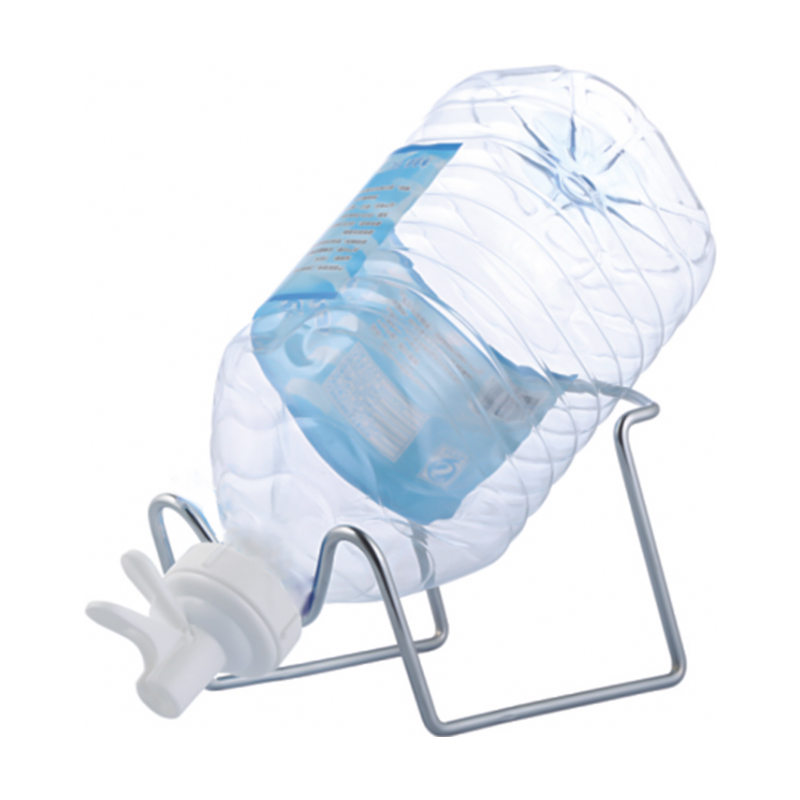 camping collapsible water dispenser with tap-faucet for Bottle DDetails & specificationsView Product →
Material Comparison: Brass, Zinc Alloy, Stainless Steel, and Plastic
The material of your outdoor spigot determines how long it will last and how it handles temperature changes. Here is a breakdown of the four most common materials.
| Material | Durability | Freeze Resistance | Cost | Best Use |
|---|---|---|---|---|
| Brass | Excellent (15+ years) | Good with frost-free design | High | Permanent residential |
| Zinc Alloy | Moderate (5-8 years) | Poor unless frost-free | Medium | Budget replacement |
| Stainless Steel | Excellent (20+ years) | Good with frost-free design | High | Coastal areas, food service |
| Plastic | Low (2-4 years) | Very poor | Low | Temporary or indoor use |
Brass remains the most popular choice for residential outdoor spigots because it resists corrosion, handles heat well, and is easy to machine. Zinc alloy is a cheaper alternative, but it can crack in freezing temperatures and corrode faster in coastal environments. Stainless steel is the premium option; it is ideal for saltwater exposure and food-service applications. Plastic spigots are best reserved for temporary setups or indoor beverage dispensers where freezing is not a concern.
How to Choose the Right Outdoor Spigot for Your Property
Choosing the right spigot comes down to four factors: climate, water pressure, usage, and budget. Start with climate. If you live in a region where the temperature drops below freezing, you must choose a frost-free sillcock or a yard hydrant. Do not rely on a standard hose bibb, even if you drain it; a sudden cold snap can crack the body. If you live in a mild climate, a standard brass hose bibb or a quarter-turn ball valve spigot is perfectly adequate.
Next, consider water pressure and flow. If you plan to run sprinklers, fill large containers, or wash vehicles, a quarter-turn ball valve will give you higher flow with less effort. If you only need to water a few pots, a standard compression spigot is fine. For properties with long hose runs, a yard hydrant near the point of use saves time and avoids pressure loss through a long hose.
Usage also matters. If you frequently connect and disconnect hoses, look for a spigot with a comfortable handle and a good thread. If you operate a beverage business, choose a food-grade stainless steel spigot. If you camp or tailgate, a portable collapsible dispenser with a tap is more practical than a fixed spigot. Finally, set a budget. A basic brass hose bibb costs $10 to $20, a frost-free sillcock $25 to $50, and a yard hydrant $60 to $150. Spending a little more upfront often saves money on repairs and water bills later.
Installation and Seasonal Maintenance Tips
Proper installation prevents most spigot problems. For frost-free sillcocks, the spigot must pitch downward toward the outside by about 1/8 inch per foot. This allows water to drain after shutoff. If the spigot is level or pitched backward, water will pool inside the stem and freeze. Use a level or a small shim to check the angle. Also, support the spigot from behind the wall. A loose spigot can stress the pipe connection and lead to leaks inside the wall.
Seasonal maintenance is simple but important. In fall, disconnect all hoses, shut off the water supply to the spigot if there is a separate valve, and open the spigot to drain any remaining water. For frost-free models, leave the handle open slightly during the first freeze to allow expansion. In spring, check for leaks, test the vacuum breaker, and clean the aerator or spout if you notice reduced flow. For detailed cleaning instructions, see this guide on how to clean a metal spigot.
If you notice a drip from the spout after shutting off the water, the washer or seat is likely worn. Rebuild kits are available for most compression spigots. For quarter-turn models, a drip usually means the ball or seals need replacement, which is a more involved repair. In either case, addressing the drip early prevents water waste and further damage.
Troubleshooting Common Outdoor Spigot Problems
Outdoor spigots are exposed to weather and use, so problems are common. Here are the most frequent issues and their fixes.
- Dripping from the spout after shutoff: The rubber washer or valve seat is worn. Replace the washer or rebuild the valve. On a frost-free model, the seat is inside the stem; a rebuild kit includes a new stem assembly.
- Leaking around the handle: The packing nut is loose or the O-ring is worn. Tighten the packing nut a quarter turn. If that does not stop the leak, replace the packing or O-ring.
- No water flow at all: Check for a closed shutoff valve inside the house, a frozen pipe, or a clogged aerator. In freezing weather, a frozen line is the most likely cause. Use a hair dryer or heat tape to thaw the pipe slowly.
- Weak or sputtering flow: This often indicates a partially closed valve, a clogged screen washer, or air in the line. Remove the hose and check the screen. If the sputtering continues, there may be a issue with your home's water pressure.
- Water spraying from the top cap: The vacuum breaker has failed. Replace the vacuum breaker or the entire spigot if it is integrated.
If you are unsure which type of spigot you have, the four types of water dispenser faucets article explains similar mechanisms used in indoor dispensers, which can help you identify parts.
Water Conservation and Smart Controls
Outdoor water use can account for a large portion of a household's total consumption, especially in summer. Upgrading to a smart spigot or adding a timer can reduce waste significantly. A simple hose timer screws onto any standard spigot and automatically shuts off water after a set period. Smart controllers connect to Wi-Fi and adjust watering based on weather forecasts. Some models can save 20 to 30 percent of outdoor water use compared to manual watering.
Another low-tech option is a flow restrictor. These small discs fit between the spigot and the hose and limit flow to a set rate, such as 2 GPM. They are useful for hand watering and reduce the chance of runoff. If you have a yard hydrant, consider installing a lockable handle to prevent unauthorized use. For beverage dispensers, choose a spigot with a drip-free design to avoid wasted product.
Frequently Asked Questions
What is the difference between a spigot and a sillcock?
A spigot is a general term for any outdoor water valve. A sillcock is a specific type of spigot designed to mount on the exterior wall, often with a frost-free feature. In everyday conversation, people use the terms interchangeably, but a sillcock is technically the more precise term for a wall-mounted outdoor faucet.
How long does a frost-free sillcock last?
With proper installation and maintenance, a frost-free sillcock can last 8 to 12 years. In areas with very hard water, the lifespan may be shorter due to mineral buildup. Replacing the internal stem assembly can extend the life by several years.
Can I replace a standard hose bibb with a frost-free sillcock myself?
Yes, if you are comfortable with basic plumbing. The process involves shutting off the water, removing the old spigot, and installing the new one with proper pitch. However, if the old spigot is soldered to copper pipe, you may need to cut and adapt the connection. If you are unsure, hire a licensed plumber.
Why does my outdoor spigot drip only in certain seasons?
Seasonal dripping is often caused by temperature-related expansion and contraction. In winter, a drip may indicate ice forming inside the spigot. In summer, it could be a worn washer that becomes more noticeable when the spigot is used frequently. If the drip is consistent, replace the washer or valve seat.
What size garden hose thread fits a standard outdoor spigot?
Standard outdoor spigots use 3/4-inch garden hose thread (GHT). This is the same thread found on most garden hoses and attachments. If you are connecting to a metric thread, you may need an adapter.
Do all outdoor spigots need a vacuum breaker?
Most plumbing codes require backflow protection on outdoor spigots. A vacuum breaker is the most common method. If your spigot does not have one built in, you can add a screw-on vacuum breaker. Check your local code for specific requirements.
How deep does a yard hydrant need to be buried?
The supply line for a yard hydrant must be buried below the local frost line. In most of the United States, that means 18 to 36 inches deep. In colder regions, you may need to go deeper. Always check local building codes for the required depth.
Is a quarter-turn spigot worth the extra cost over a compression model?
If you use your outdoor spigot frequently or have difficulty turning a wheel handle, a quarter-turn ball valve is worth the extra cost. It offers faster operation, higher flow, and better resistance to scale. For occasional use, a compression model is adequate and less expensive.
Can a frost-free sillcock still freeze and burst?
Yes, if it is installed incorrectly or if a hose is left attached during freezing weather. The frost-free design relies on the spigot draining completely. If water cannot drain, the stem can split. Always remove the hose and check the pitch before winter.
What material is best for a spigot near the ocean?
Stainless steel is the best choice for coastal environments because it resists salt corrosion. Brass can also work but may tarnish or develop a green patina over time. Avoid zinc alloy and plastic, which degrade quickly in salt air.
Final Thoughts
Outdoor spigots may look simple, but the right choice depends on your climate, water pressure, and how you plan to use the water. For most homeowners in freezing regions, a frost-free sillcock with an anti-siphon vacuum breaker is the best all-around option. In mild climates, a brass hose bibb or a quarter-turn ball valve will serve you well for years. If you need water far from the house, invest in a yard hydrant. And for beverage service or camping, a specialty spigot or portable tap makes dispensing cleaner and more convenient.
Take a few minutes to check your existing spigots before the next season. Test for leaks, inspect the vacuum breaker, and make sure the spigot drains properly. A small amount of maintenance now can prevent a burst pipe, a flooded basement, or a wasted water bill later. Whether you are replacing an old hose bibb or adding a new outdoor water source, use this guide to choose a spigot that fits your property and your habits.