
 English
 русский
 日本語
日本語 عربى
عربى Español
Content
- 1 Braided Stainless Steel Supply Lines
- 2 PVC and Polymer Supply Lines
- 3 Copper Supply Lines
- 4 PEX Supply Lines
- 5 How Water Pressure Affects Supply Line Choice
- 6 Connector Ends: Compression, Threaded, and Spigot Fittings
- 7 Choosing the Correct Diameter and Length
- 8 Supply Lines for Specialty Fixtures
- 9 Recognizing Early Signs of Supply Line Failure
- 10 Installation Tips That Prevent Leaks
- 11 Troubleshooting Common Supply Line Problems
- 12 Frequently Asked Questions
- 12.1 Can I connect a braided stainless line directly to an outdoor spigot?
- 12.2 How often should faucet supply lines be replaced?
- 12.3 Why does my new supply line still leak after tightening it?
- 12.4 Is a longer or shorter supply line better?
- 12.5 What is the difference between a spigot and a regular faucet?
- 12.6 Can PVC supply lines be used on a kitchen faucet?
- 12.7 Do all supply lines fit any shutoff valve?
- 12.8 Why do some supply lines feel warm to the touch on the hot water side?
- 12.9 Can a single supply line serve both a faucet and a nearby appliance?
- 12.10 Is it normal for a supply line to make a ticking sound after installation?
The right faucet supply line depends on three things: the water pressure and temperature it will handle, the connection type at both the shutoff valve and the faucet tailpiece, and how long the run needs to be. Braided stainless steel supply lines are the most reliable choice for nearly every residential faucet installation, offering the best balance of flexibility, burst resistance, and connector compatibility, while plastic, copper, and PEX lines each serve narrower use cases. The sections below break down every common type in detail, explain how connector ends and spigot fittings work, cover sizing and pressure considerations, walk through installation and troubleshooting, and answer the questions that come up most often when a line needs replacing.
Braided Stainless Steel Supply Lines
Braided stainless steel lines consist of an inner core, usually reinforced PVC or rubber, wrapped in a woven layer of stainless steel mesh. That mesh does the heavy lifting: it lets the hose flex around tight cabinet spaces without collapsing the inner tube, and it can typically withstand working pressures between 125 and 300 psi depending on the manufacturer and gauge of the braid.
Because the braid is woven rather than solid, these lines resist kinking far better than plain plastic tubing. A test cited by plumbing supply manufacturer Fluidmaster found that braided stainless lines rated for household use held pressure for over 10 years in accelerated aging tests without measurable degradation of the braid, whereas unreinforced vinyl lines showed cracking after roughly 3 to 5 years under the same conditions.
The construction quality varies noticeably between budget and premium versions. Lower-cost braided lines often use a thinner gauge stainless wire with wider gaps between strands, which lets more moisture reach the inner tube over time and shortens the effective service life. Premium versions use a tighter weave and a thicker wire diameter, and many also add a secondary polymer coating over the braid to slow corrosion in humid under-sink environments. When comparing two lines that look identical from a distance, running a finger along the braid can reveal whether the weave is dense and stiff or loose and springy, which is a reasonable proxy for overall build quality.
Another advantage of braided stainless is compatibility. Because the connector ends are almost always standardized to 3/8 inch compression or 1/2 inch FIP threading regardless of the core material inside, a braided line can usually replace an older copper or plastic line without needing to change the valve or the faucet tailpiece. This makes braided stainless the default recommendation for repair and replacement jobs, not just new installations.
- Best for: kitchen faucets, bathroom sinks, toilets, and any fixture near a cabinet with limited turning radius
- Typical lifespan: 8 to 12 years before proactive replacement is recommended
- Common lengths: 12 inches, 16 inches, 20 inches, and 30 inches
- Common diameters: 3/8 inch compression at the valve, 1/2 inch or 3/8 inch FIP at the faucet
PVC and Polymer Supply Lines
Plain PVC or polymer supply lines were the standard before braided designs became widely available, and they are still sold today because of their low cost. A single unreinforced polymer line often costs a fraction of a comparable braided line, which makes it tempting for large multi-unit installations or rental property turnovers where budget is the primary concern.
The material itself is usually a semi-rigid PVC or polyethylene tube, sometimes with a thin outer jacket for a bit of added stiffness. Unlike braided lines, there is no metal reinforcement layer, so the tube relies entirely on the plastic's own wall thickness to resist bursting under pressure. That works fine at typical residential pressures of 40 to 60 psi, but it leaves much less margin than a braided line if a pressure spike occurs, such as during a water hammer event when a fast-closing valve elsewhere in the house sends a pressure surge through the line.
Age is the other major factor. Plastic becomes less flexible over time as plasticizers in the material slowly migrate out, a process accelerated by warm under-sink environments near a dishwasher or garbage disposal motor. A line that was easy to bend during installation can become stiff and prone to stress cracking within just a few years, particularly at the point where it curves around a cabinet corner.
Where Polymer Lines Work Well
- Low-pressure, low-traffic fixtures such as garden sinks or utility rooms
- Short, straight runs with no tight bends
- Temporary or budget-driven installations
- Cold-water-only applications where thermal cycling is not a concern
Where Polymer Lines Fall Short
- Prone to kinking when bent around cabinet corners, which restricts flow
- Becomes brittle with age, especially under sinks exposed to temperature swings
- Higher failure rate reported in insurance claim data for undetected slow leaks
- Offers little margin against pressure spikes compared to braided designs
For anyone weighing the small upfront savings of a plastic line against the cost of water damage from a slow leak behind a cabinet wall, the calculation usually favors spending slightly more on a braided line, especially for fixtures used daily such as a kitchen or main bathroom faucet.
Copper Supply Lines
Rigid copper risers are the only supply line type rated for continuous exposure above 200°F, which is why they still appear in commercial kitchens and older residential installations built before flexible braided lines were common.
Copper does not flex, so each riser has to be cut and shaped to match the exact distance between the shutoff valve and the faucet tailpiece. This makes copper a poor choice for a quick faucet swap, since a misaligned or slightly too-short riser cannot simply be bent into place the way a flexible line can. Instead, a new riser typically needs to be cut to length and fitted with a compression nut or soldered joint before installation.
This makes copper a poor choice for a quick faucet swap, but it remains valued for its durability: properly installed copper risers routinely last 20 years or more with no maintenance beyond periodic visual inspection for green oxidation, which signals a slow leak at a joint. The oxidation, often called verdigris, forms when copper reacts with moisture and trace minerals over time, and its presence around a fitting is one of the most reliable early warning signs of a developing leak long before any water is visible on the cabinet floor.
Copper also has a thermal advantage in specific settings. Because it conducts heat well, a copper riser carrying hot water will radiate a small amount of warmth, which some old-house renovators intentionally use as a secondary indicator that the hot line is correctly connected during a remodel, since a cold copper riser on what should be the hot side often signals a plumbing mix-up before the fixture is ever turned on.
Most plumbers now reserve copper for situations where a specific water heater setup calls for a rigid connection, where a commercial kitchen's higher operating temperatures make flexible lines unsuitable, or where an existing rigid rough-in makes a flexible line impractical to fit. For nearly every other residential job, braided stainless is now the more practical choice.
PEX Supply Lines
Cross-linked polyethylene, better known as PEX, has become common in new construction and whole-house repiping projects. As a supply line material it is flexible like braided stainless but is usually run in longer continuous lengths from a manifold rather than as a short connector under a single fixture.
PEX comes in three main types, generally labeled A, B, and C, which differ mainly in how the material is cross-linked during manufacturing and how flexible the finished tubing feels. Type A is generally regarded as the most flexible and kink-resistant, which matters when the tubing has to snake through wall cavities and around framing during a repipe, while Type B is often the most widely available and typically the least expensive of the three.
- 1. PEX tolerates freezing better than copper because it expands slightly rather than splitting
- 2. It requires specific crimp, clamp, or push-fit connectors rather than standard compression fittings
- 3. Color coding, typically red for hot and blue for cold, helps identify lines during multi-fixture installs
- 4. It is not intended to be the final short connector at the faucet itself; a braided stainless adapter usually bridges the last few inches
- 5. UV exposure degrades PEX over time, so it should not be left exposed to direct sunlight for extended periods during a renovation
In practice, most homes use PEX for the supply run inside the wall and a short braided stainless line to make the final connection to the faucet shutoff valve. This hybrid approach takes advantage of PEX's ease of routing through framing while still giving the faucet itself a supply line rated for frequent disconnection during maintenance, something PEX's crimp and clamp fittings are not really designed for on a recurring basis.
How Water Pressure Affects Supply Line Choice
Most municipal water systems deliver pressure somewhere between 40 and 80 psi at the fixture, though older homes on gravity-fed systems or homes at the end of a long municipal line can run lower, while homes near a pressure-boosting pump station can run higher. Anything consistently above 80 psi is generally considered high enough to accelerate wear on every type of supply line, not just weaker plastic ones, and is usually a sign that a pressure-reducing valve should be installed at the main line rather than relying on the supply lines themselves to absorb the extra stress.
Water hammer is a related but distinct issue. It occurs when a fast-closing valve, such as a washing machine solenoid or a single-lever faucet, stops flow abruptly and sends a pressure spike backward through the pipes. That spike can momentarily exceed the static line pressure by a significant margin, and it is one of the more common reasons a supply line fails at a joint rather than along its length, since joints are typically the weakest point in the assembly. Installing a water hammer arrestor near appliances that cause frequent hammering can meaningfully extend the life of every supply line in that branch of the plumbing.
Connector Ends: Compression, Threaded, and Spigot Fittings
The type of supply line matters less than whether its connector ends match the shutoff valve and the faucet tailpiece. There are three connection styles found on almost every residential job, and understanding the difference prevents a wasted trip to the hardware store.
Compression Fitting
A compression nut and ferrule squeeze onto a copper or plastic tube to form a watertight seal without soldering or threads. This is the most common connection at the shutoff valve end of a supply line, and it is generally considered reusable a limited number of times before the ferrule should be replaced rather than reseated repeatedly.
Female Iron Pipe (FIP) Thread
A threaded female fitting screws directly onto a male threaded valve outlet or faucet tailpiece. Most braided stainless supply lines ship with a 3/8 inch or 1/2 inch FIP connector on the faucet end, and a small rubber or fiber washer inside the connector does most of the sealing work, with the threads mainly providing clamping force rather than the watertight seal itself.
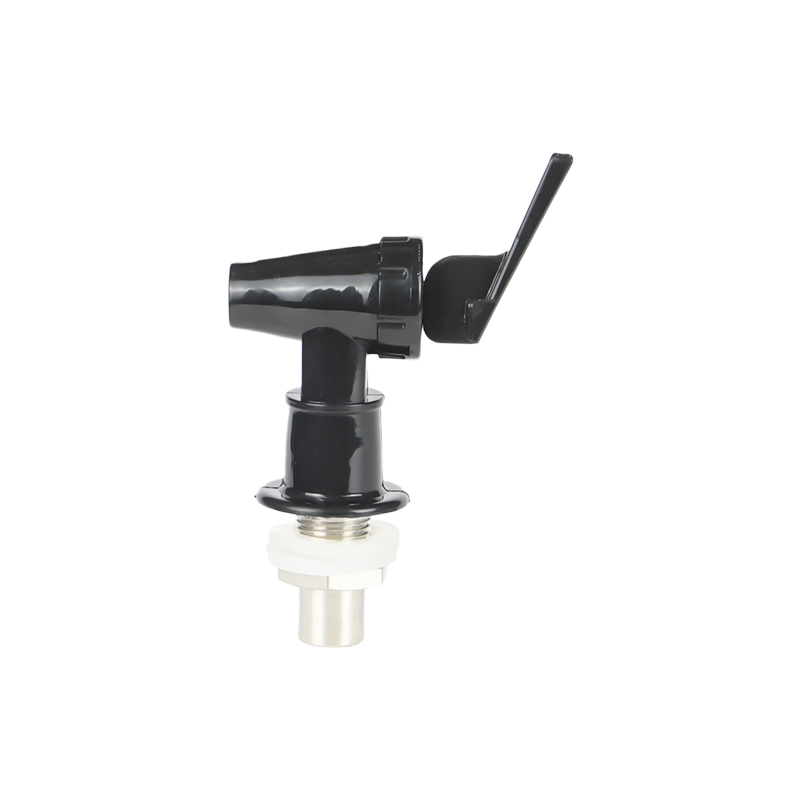
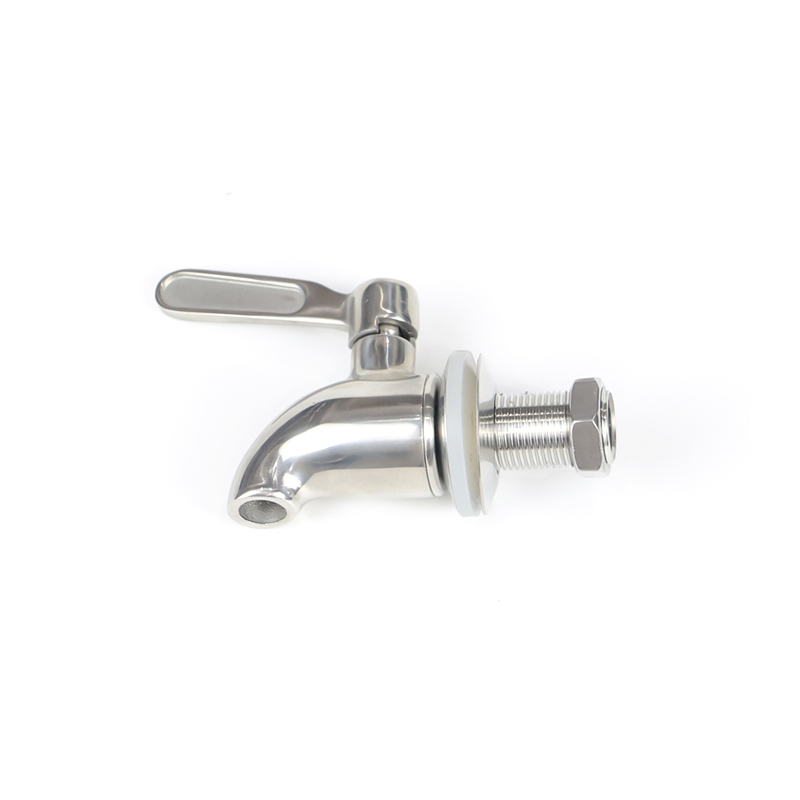
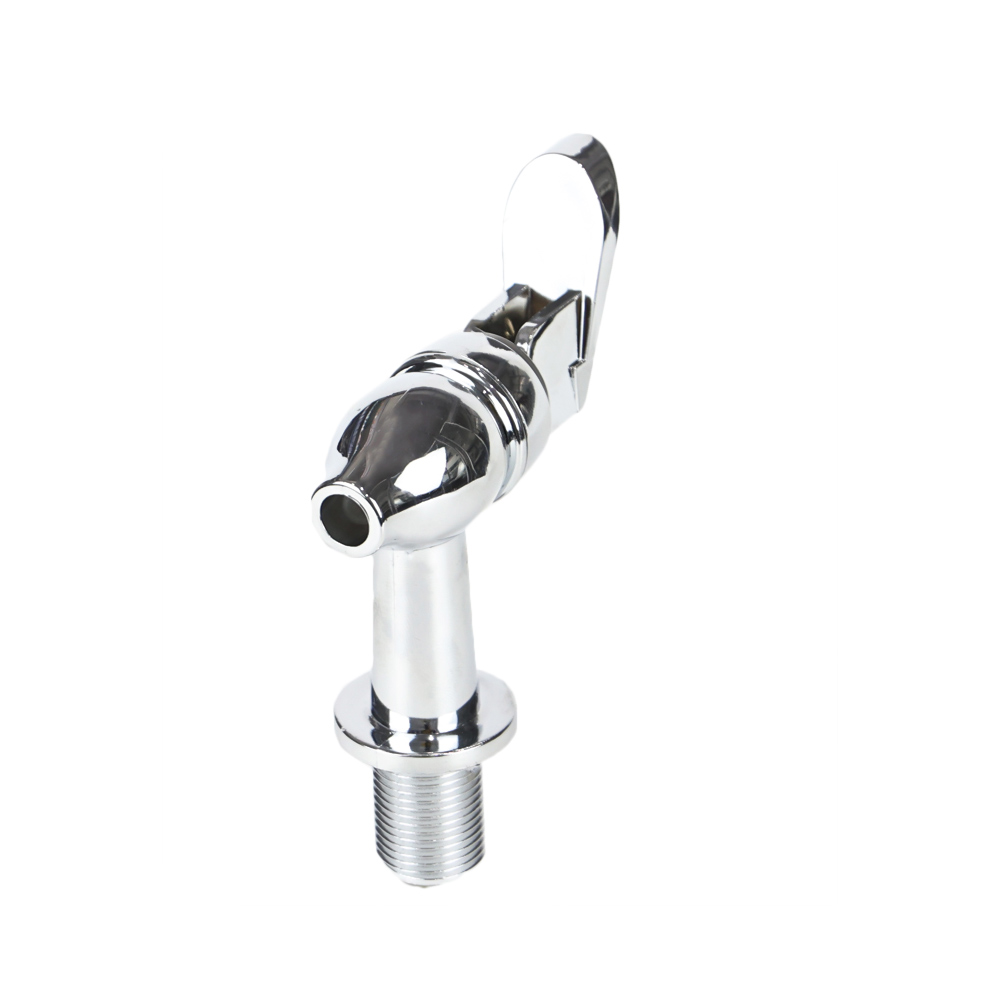
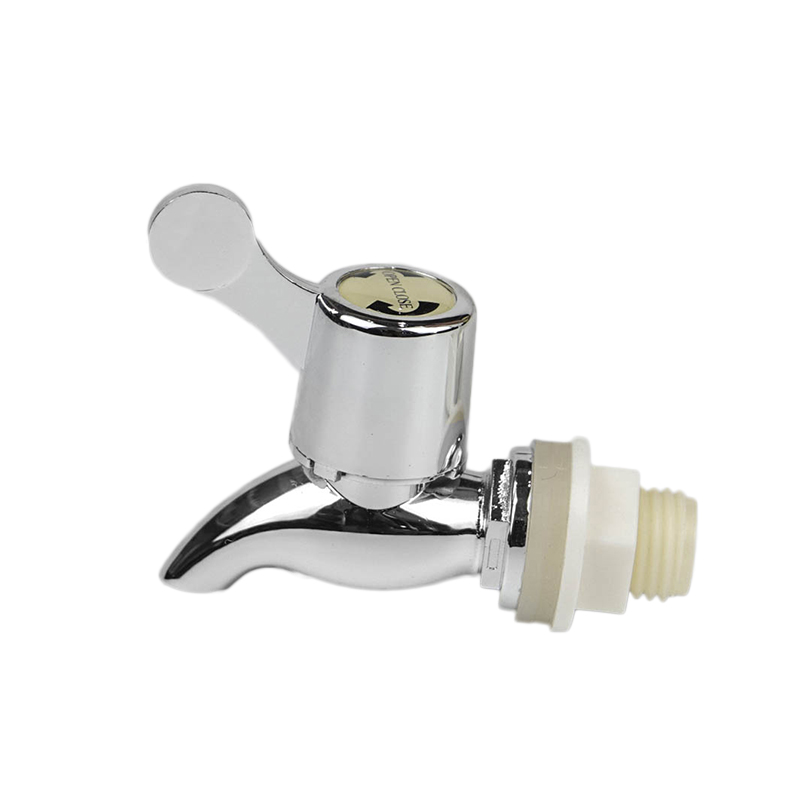
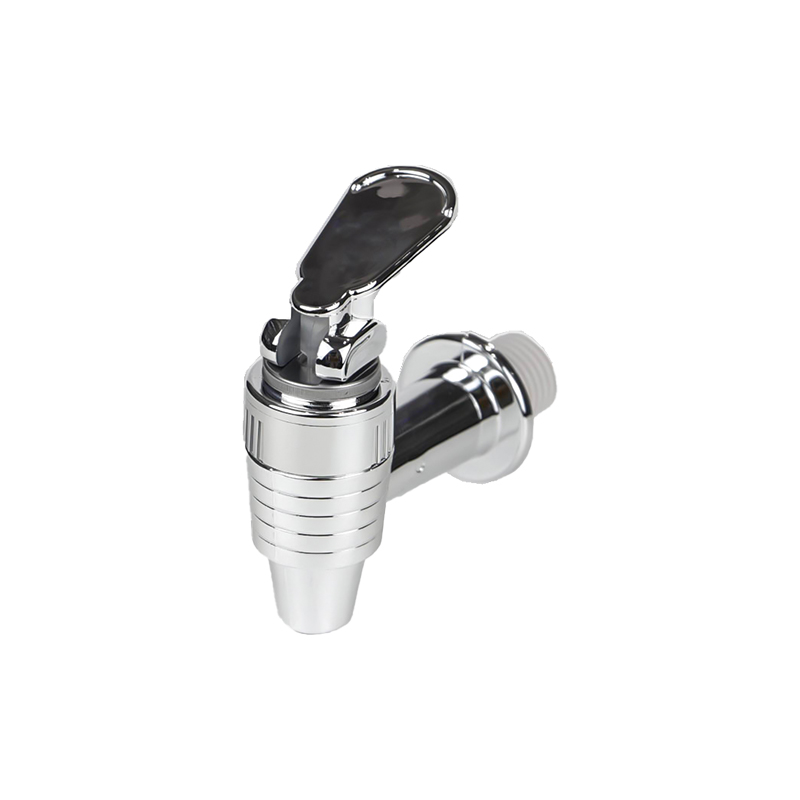
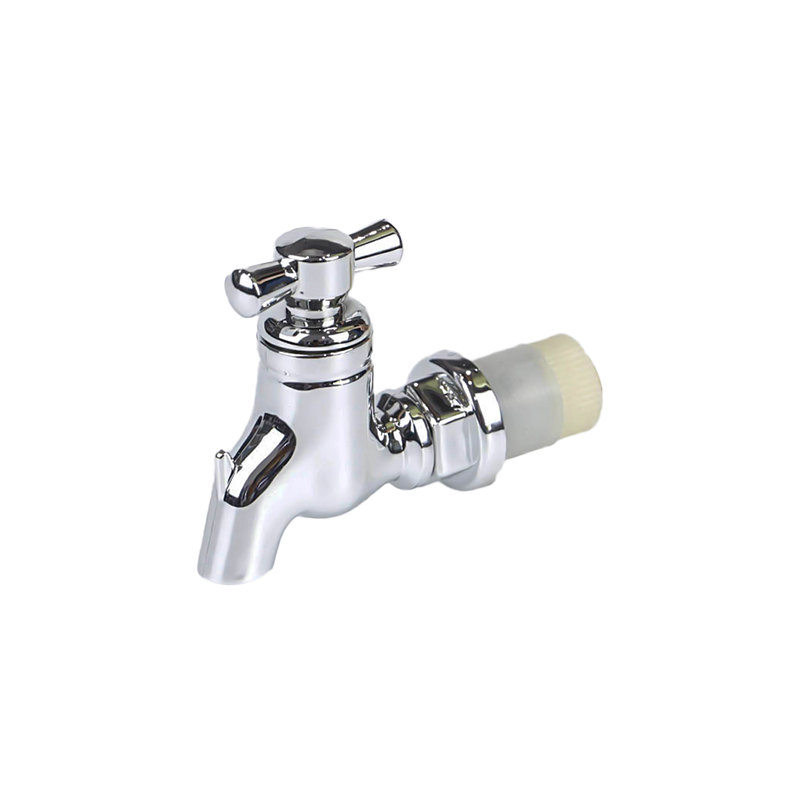
Spigot End
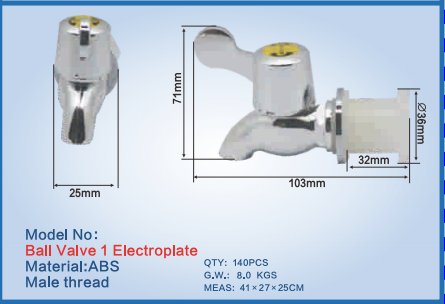
A spigot end is a plain, unthreaded male tube end designed to insert into a matching female socket, most often sealed with a slip nut or solvent weld rather than threads. Outdoor hose bibbs are also frequently called spigots, and the male threaded nozzle on a hose bibb spigot uses the same basic principle: a fixed male outlet that a hose or supply adapter slides or screws onto. When a supply line needs to connect to an outdoor spigot rather than an indoor shutoff valve, the fitting on the line has to match the spigot's thread pitch, which is typically a standard garden hose thread rather than the finer NPT thread used indoors.
Adapters exist to convert between these three connection types, which is useful when a supply line's factory connector does not match the existing valve or spigot. A simple compression-to-FIP or FIP-to-garden-hose-thread adapter is inexpensive and widely available, and keeping a small assortment on hand avoids having to return an otherwise correct supply line simply because one end does not match.
Choosing the Correct Diameter and Length
Supply lines are sized by their nominal outside diameter and their connector thread size, and mixing these up is the single most common mistake in a DIY faucet install. Toilets almost always use a 7/8 inch or 3/8 inch compression connection, while sink faucets typically use 1/2 inch or 3/8 inch connections, so checking both ends of the existing line before buying a replacement saves a return trip to the store.
| Fixture | Valve End | Faucet End | Typical Length |
|---|---|---|---|
| Bathroom Sink | 3/8 in compression | 3/8 in FIP | 12 to 16 in |
| Kitchen Sink | 3/8 in compression | 1/2 in FIP | 20 in |
| Toilet Tank | 7/8 in compression | 3/8 in FIP | 12 in |
| Bidet Attachment | 7/8 in compression | 1/2 in or 7/8 in T-adapter | 15 to 20 in |
| Outdoor Spigot Adapter | Garden hose thread | 3/4 in male spigot | Varies |
When measuring for length, add roughly 2 inches to the straight-line distance between the valve outlet and the faucet tailpiece to leave enough slack for a gentle bend. A line that is too short will strain the connectors, while one that is too long can kink inside the cabinet. It is generally better to buy a slightly longer line than needed, since the excess can be routed in a smooth loop, whereas a line that is even slightly too short cannot be extended without replacing it entirely.
Diameter mismatches are less forgiving than length mismatches. A 3/8 inch line cannot be forced onto a 1/2 inch fitting, and while adapters exist for many size combinations, relying on an adapter at both ends of a short supply line adds two additional potential leak points to what should be a simple connection.
Supply Lines for Specialty Fixtures
Beyond a standard sink or toilet, several other fixtures have their own supply line quirks worth knowing before starting a project.
Refrigerator ice makers and water dispensers generally use a much smaller diameter line, often 1/4 inch, connected through a saddle valve or a dedicated tee fitting at a nearby cold water line. Because this line typically runs a long distance behind cabinetry and along a wall, a slow leak here can go unnoticed for a long time, which is why many plumbers recommend upgrading old saddle-valve taps to a proper soldered or push-fit tee during any kitchen remodel.
Bidet attachments and bidet seats usually connect through a T-adapter installed between the toilet's existing shutoff valve and its supply line, meaning the fixture needs two supply line connections branching from a single valve rather than the usual one-to-one setup. Confirming the T-adapter's thread size matches both the valve and the original toilet supply line avoids a mismatched connection.
Under-sink water filters and reverse osmosis systems often require their own dedicated supply line tapped from the cold water line, separate from the main faucet's supply, along with a small diameter line running to a separate filtered-water faucet on the countertop. These systems typically specify their own connector sizes in their installation instructions, and matching those exactly is more important than defaulting to whatever supply line happens to be on hand.
Recognizing Early Signs of Supply Line Failure
Supply line failures rarely happen without warning, even though the warning signs are easy to miss during a quick glance under a sink. A faint mineral crust forming near a connector is often the first visible clue, since evaporating moisture from a slow leak leaves behind dissolved minerals that build up into a white or greenish crust over weeks or months.
A soft or slightly swollen section along the length of a braided line can indicate that moisture has worked past the braid and into the inner tube, weakening it from within even though the outer braid still looks intact. Similarly, any rust-colored staining on the braid itself, as opposed to a shiny or dull gray finish, usually means the stainless steel has begun corroding and the line should be replaced regardless of how long it has been in service.
A musty smell in a cabinet, warped or discolored cabinet flooring, or a slightly higher water bill without an obvious explanation are all indirect signs worth investigating, since a slow leak behind a supply line connector can sometimes drip for months before becoming visible on the outside of the cabinet.
Installation Tips That Prevent Leaks
Hand-tighten the connector first, then give it a quarter to half turn with a wrench. Overtightening a compression nut is the leading cause of cracked ferrules and hairline leaks that appear weeks later.
Check the washer or O-ring inside the FIP connector before installing. A missing or twisted washer is a common reason a brand-new line still drips at the tailpiece.
Avoid sharp bends near either connector end. Even braided stainless lines can develop a slow leak at the crimped fitting if bent too close to the connector itself.
Support the line so it is not resting directly on a cabinet's sharp edge or a metal bracket, since constant contact with a hard edge can wear through the braid over time in a way that is not visible until the line eventually fails.
Turn the water supply on slowly rather than opening the shutoff valve fully in one motion, which reduces the initial pressure surge through a newly installed line and gives an easy first check for leaks at low flow before increasing to full pressure.
Run water for several minutes after installation and recheck every connection point, since some leaks only appear once the line is under full working pressure rather than at the initial low-flow test.
Dry every connector completely with a cloth after the pressure test, wait about 15 minutes, and check again. A connector that is dry immediately after testing but damp 15 minutes later usually indicates a very slow leak that is easy to miss on the first pass.
Troubleshooting Common Supply Line Problems
Even a correctly sized and properly installed supply line can develop problems over time, and most of them fall into a handful of recognizable categories.
Reduced water flow at a single fixture, while every other fixture in the house works normally, often points to a kinked or partially collapsed supply line rather than a problem with the faucet itself or the main water line. Straightening the line or replacing it with one that has a larger internal diameter usually resolves this.
A whistling or humming sound when the faucet is turned on can indicate that a supply line's internal diameter is too narrow for the flow rate the fixture demands, causing turbulence inside the line. Switching to a wider diameter line, where the valve and tailpiece allow it, usually eliminates the noise.
Persistent dampness at a connector that reappears shortly after being dried and tightened further usually means the washer or ferrule needs to be replaced rather than simply tightened again, since a compression fitting that has already been tightened past its normal range will not improve with additional force and may crack instead.
Frequently Asked Questions
Can I connect a braided stainless line directly to an outdoor spigot?
Yes, as long as the line's connector matches the spigot's garden hose thread rather than the finer NPT thread found on indoor shutoff valves. An adapter fitting is available for lines that ship with an FIP connector instead.
How often should faucet supply lines be replaced?
Most manufacturers recommend replacing braided stainless lines every 8 to 10 years even if no visible damage is present, since the failure point is usually corrosion inside the braid rather than something visible from the outside.
Why does my new supply line still leak after tightening it?
The most frequent causes are a missing washer inside the connector, cross-threading during installation, or overtightening a compression nut until the ferrule cracks. Loosen the connection, inspect the washer, and reseat it before retightening.
Is a longer or shorter supply line better?
Neither extreme is ideal. The line should span the distance between the valve and the tailpiece with a small amount of slack for a gentle curve, not a tight coil or a taut straight pull.
What is the difference between a spigot and a regular faucet?
A spigot typically refers to a simple outdoor or utility valve with a single male threaded outlet and no separate hot and cold mixing mechanism, while a faucet usually blends hot and cold water through a mixing valve before it reaches the outlet.
Can PVC supply lines be used on a kitchen faucet?
They can, but braided stainless is generally preferred for kitchen faucets because the tighter cabinet space usually requires at least one bend, and unreinforced PVC is more prone to kinking under those conditions than a braided line.
Do all supply lines fit any shutoff valve?
No. The connector at the valve end needs to match the valve's outlet, most commonly 3/8 inch compression for a modern angle stop or 7/8 inch compression for a toilet-specific valve. Measuring the existing connection before buying a replacement avoids a mismatch.
Why do some supply lines feel warm to the touch on the hot water side?
This is normal and simply reflects the temperature of the water passing through, particularly noticeable with copper lines, which conduct heat more readily than braided stainless or PEX lines with a plastic inner core.
Can a single supply line serve both a faucet and a nearby appliance?
Generally no. Each fixture should have its own dedicated supply line running from its own shutoff valve or a properly installed tee fitting, rather than splicing one line to serve two fixtures, since splicing introduces an additional joint and reduces flow to both connected fixtures.
Is it normal for a supply line to make a ticking sound after installation?
A faint ticking sound in the first few minutes after turning the water back on is usually just the metal or plastic expanding slightly as it reaches normal operating temperature and pressure, and it typically stops once the line settles.